
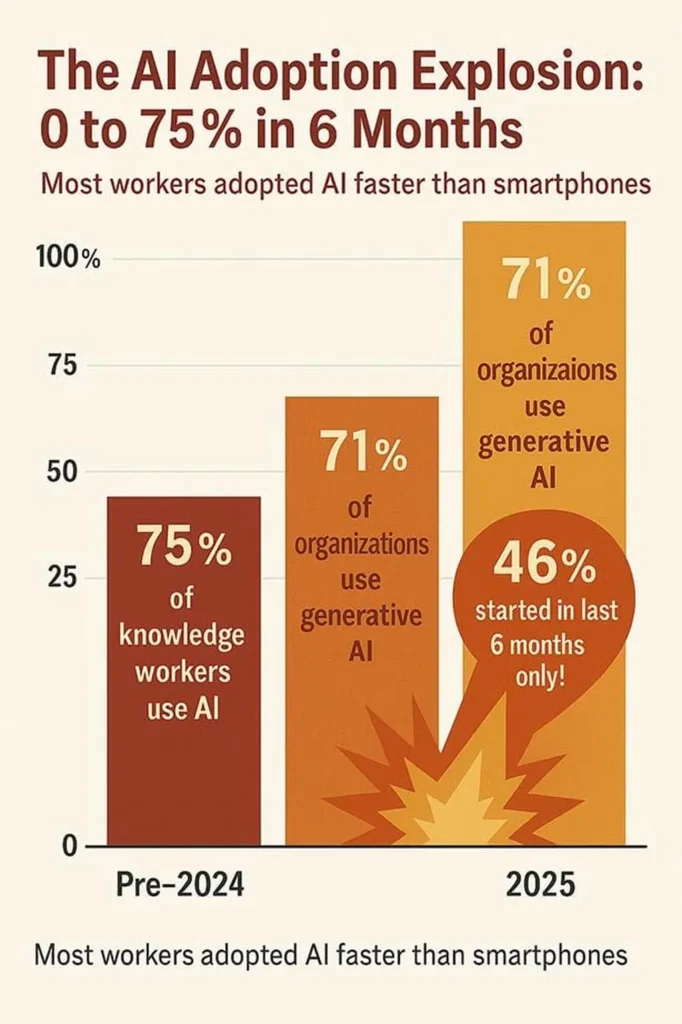
The construction and engineering (C&E) sector stands at a crossroads, where the rapid adoption of artificial intelligence (AI) is outpacing the workforce’s ability to adapt. A recent IFS study, “The Invisible Revolution Study 2025,” has uncovered a stark reality: the AI Execution Gap. This gap, defined by the disparity between AI deployment plans and employee skillsets, is widening at an alarming rate. The study, which surveyed over 1,700 senior decision-makers globally, reveals that 71% of C&E organizations expect at least half their workforce to require retraining or reskilling. This is not just a challenge; it’s a call to action for the industry to bridge the gap and harness the full potential of AI.
The study highlights that while C&E organizations are embracing AI, they are not fully prepared for its comprehensive implementation. This has led to a situation where companies are moving faster into AI adoption than their staff can upskill. The consequences of this gap are significant, as it could hinder the industry’s ability to fully leverage AI’s transformative potential.
The IFS study found that 91% of C&E organizations plan to increase AI investment in 2025, positioning the sector for accelerated adoption and scale. This surge in investment underscores the industry’s recognition of AI’s critical role in driving operational efficiency, reducing supply costs, and enhancing client targeting. However, the study also reveals a concerning trend: the highest concern among C&E firms is losing market share to faster AI adopters (52%). This competitive pressure is a powerful motivator for companies to accelerate their AI strategies.
Despite the urgency, there is a notable confidence among C&E firms regarding their workforce’s ability to adapt. Around 35% disagree that lack of employee knowledge will limit AI adoption, the highest response across sectors. This confidence, however, should not lull the industry into complacency. The study’s finding that 71% of organizations expect at least half their workforce to require retraining or reskilling is a clear indicator that proactive measures are needed to upskill employees.
The study also highlights the opportunities available to companies that embrace AI. Across the C&E sector, 89% report profitability gains, and firms outperform the cross-industry average in operational efficiency (44%), supply cost reduction (42%), client targeting (37%), pricing efficiency (36%), and lowering project expenditure (36%). These gains underscore the strategic importance of AI in driving business success.
Kriti Sharma, a key figure in the study, emphasizes the urgency of the situation: “The time is now to engage with industrial AI. We’re experiencing one of the most profound and underestimated shifts in global business. Industrial AI is here and already reshaping how entire industries run, compete, and grow.” This call to action resonates deeply within the C&E sector, where the stakes are high, and the potential rewards are substantial.
As the industry moves forward, the focus must be on training and upskilling employees to thrive in an AI-First environment. The study projects that 64% of organizations are expected to become AI-First within a year, highlighting the rapid pace of change. This transformation is not just about technology; it’s about people. The industry must invest in its workforce, ensuring that employees are equipped with the skills and knowledge to navigate the AI landscape effectively.
The AI Execution Gap is a wake-up call for the C&E sector. It’s a reminder that the path to AI-driven success is paved with strategic investment, proactive upskilling, and a commitment to continuous learning. The industry is at a pivotal moment, and the choices made today will shape its future. The time to act is now, and the stakes have never been higher.