
In the quest to reduce the construction industry’s environmental impact, a groundbreaking study led by Paul O. Awoyera from the Department of Civil Engineering is making waves. Published in the esteemed journal *Advances in Civil Engineering* (which translates to *Progress in Civil Engineering*), this research is paving the way for more sustainable construction practices by leveraging the power of machine learning.
The construction sector is a significant contributor to environmental degradation, with activities like cement hydration leaving a substantial carbon footprint. Fly ash (FA), a byproduct of coal combustion, has long been used to enhance concrete strength. However, its environmental impact has been less understood—until now. Awoyera’s study aims to change that by using soft computing methods to predict two critical environmental indicators: global warming potential (GWP) and CO2 emissions.
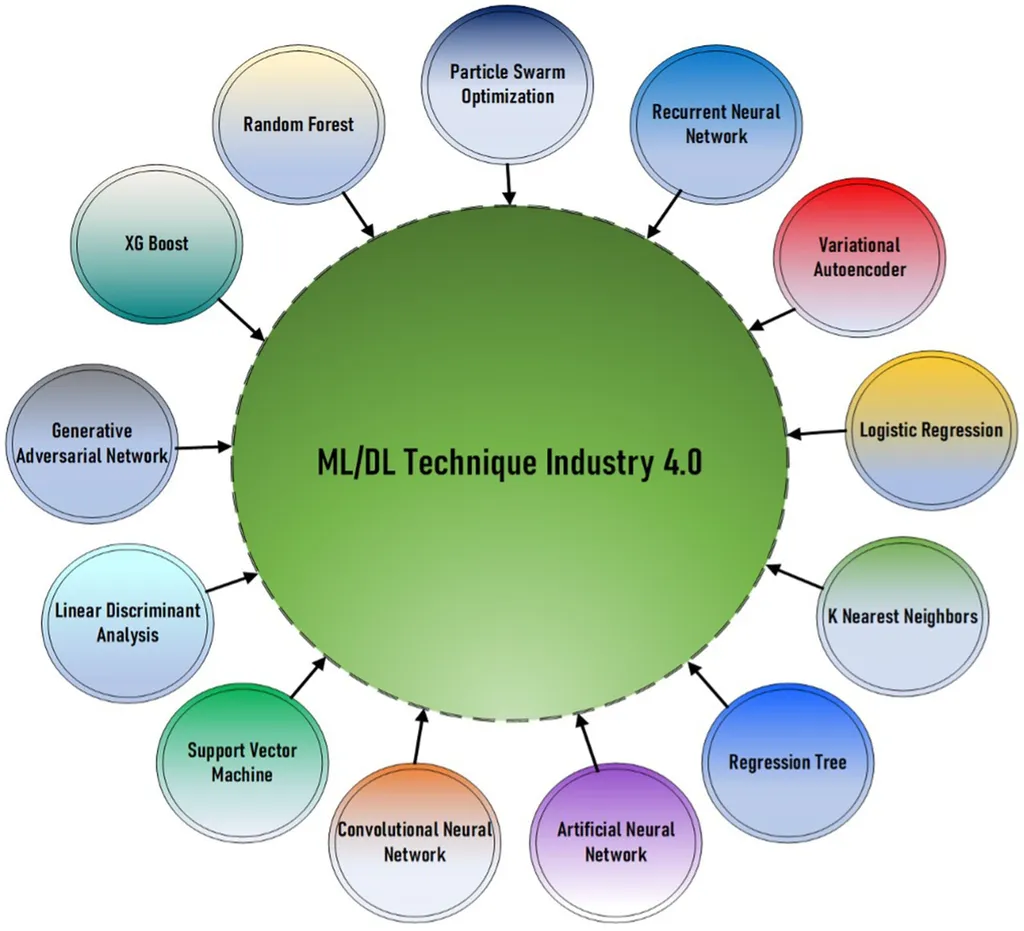
“Our goal was to explore how machine learning could help us optimize structural designs and material selections to minimize environmental impacts,” Awoyera explains. The research employed two machine learning approaches: random forest (RF) and decision tree (DT) models. These models were trained on datasets sourced from reputable databases like ResearchGate, ScienceDirect, Semantic Scholar, and Mendeley Data. The results were impressive, with the RF model achieving an R2 score of 91% for GWP and 97% for CO2 emission, outperforming the DT approach.
The study also analyzed feature importance using Shapley values, providing valuable insights into the most influential factors affecting GWP and CO2 emissions. This information is crucial for making informed decisions that can significantly reduce the carbon footprint of construction projects.
The implications for the energy sector are profound. As the world shifts towards sustainable development, the ability to predict and minimize environmental impacts is more important than ever. “This research offers a pathway for informed decision-making in the built environment,” Awoyera notes. “It highlights the urgent need for innovative approaches to support sustainable development and mitigate the carbon footprint associated with structural engineering.”
The findings demonstrate the effectiveness of machine learning techniques in enhancing the sustainability of construction practices. By optimizing material selections and structural designs, the construction industry can make significant strides towards reducing its environmental impact. This research not only shapes future developments in the field but also sets a precedent for other industries to follow.
As the energy sector continues to evolve, the integration of machine learning and soft computing solutions will play a pivotal role in achieving sustainability goals. Awoyera’s study is a testament to the power of innovation and the potential for technology to drive positive change. In a world grappling with climate change, this research offers hope and a clear path forward for a more sustainable future.