
In the heart of Milan, a city pulsating with life and industry, a novel approach to urban planning is taking root, one that could reshape how cities worldwide tackle climate change and enhance citizens’ well-being. At the forefront of this green revolution is Giulia Datola, a researcher from the Department of Architecture and Urban Studies (DAStU) at Politecnico di Milano, who has developed a comprehensive evaluation framework for integrating Nature-Based Solutions (NBS) into urban environments.
Cities are under siege from a multitude of stresses, from the global threat of climate change to the localized phenomenon of urban heat islands. NBS, which encompass everything from urban green spaces to sustainable drainage systems, offer a promising avenue for mitigating these impacts. However, as Datola points out, “Cities worldwide face critical issues in investing in NBS, mainly due to the lack of a comprehensive evaluation framework supporting decision-making.”
Datola’s multi-step approach aims to bridge this gap. Her method first identifies the most suitable intervention areas by analyzing multidimensional vulnerability maps that consider social, economic, and environmental stresses. It then evaluates the costs and benefits of NBS interventions, providing a holistic view that supports informed decision-making.
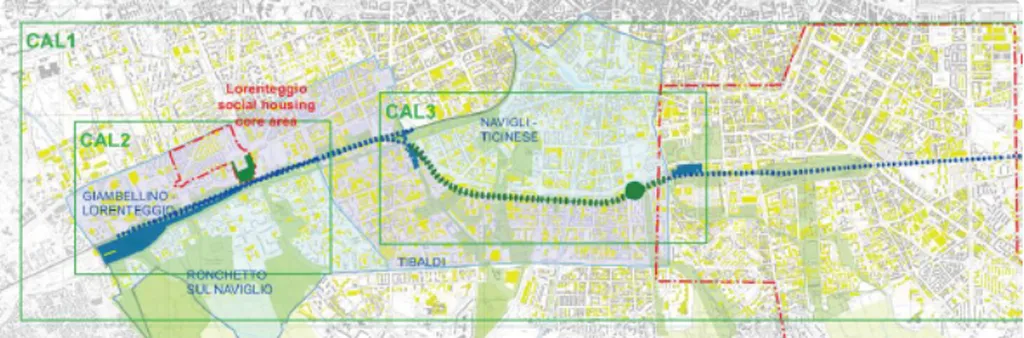
The city of Milan served as a testbed for this innovative framework. Three NBS interventions were compared against a business-as-usual scenario, with their costs and benefits evaluated based on the Ecosystem Services (ES) they provide. This approach allows for a multidimensional perspective, ensuring that the most preferable intervention can be selected.
The novelty of Datola’s framework lies in its application of both monetary and non-monetary values to support NBS planning and implementation. This could have significant implications for the energy sector, where the integration of green spaces and sustainable infrastructure can enhance energy efficiency and reduce carbon footprints.
As Datola explains, “The proposed framework is a step towards a more sustainable and resilient urban future.” By providing a clear, comprehensive evaluation of NBS interventions, it could help unlock the potential of these solutions, paving the way for greener, healthier cities.
This research, published in the journal ‘Aestimum’ (which translates to ‘Estimate’ in English), offers a promising path forward for urban planners, policymakers, and energy sector professionals alike. As cities continue to grapple with the challenges of climate change and urbanization, Datola’s work provides a valuable tool for navigating these complex issues and shaping a more sustainable future.
In the words of Datola, “This is not just about planning for today, but about investing in the resilience of our cities for tomorrow.” Her work serves as a reminder that the solutions to our most pressing urban challenges may lie not in concrete and steel, but in the natural world around us.