
In a stark warning to the global construction industry, new research published in *Communications Earth & Environment* (translated from Chinese as “Communications Earth & Environment”) reveals that the sector’s carbon footprint has doubled over the past three decades and is on track to more than double by 2050. The study, led by Chaohui Li from the Laboratory of Systems Ecology and Sustainability Science at Peking University, underscores the urgent need for a material revolution to meet the Paris Agreement’s climate goals.
The research quantifies the carbon cost of constructing the global built environment, highlighting that over half of the construction industry’s carbon emissions in 2022 came from cementitious materials, bricks, and metals. “The construction sector is a significant contributor to global greenhouse gas emissions,” Li explains. “Without intervention, the carbon footprint of construction alone will exceed the annual carbon budget for the 1.5°C and 2°C goals in the next two decades.”
The findings are a wake-up call for the energy sector, which is intricately linked to construction through the supply of materials and energy-intensive processes. The study projects that under a business-as-usual scenario, the construction carbon footprint will deplete the remaining carbon budget for the 1.5°C goal by 2050. This stark projection emphasizes the need for immediate action to decarbonize the construction industry.
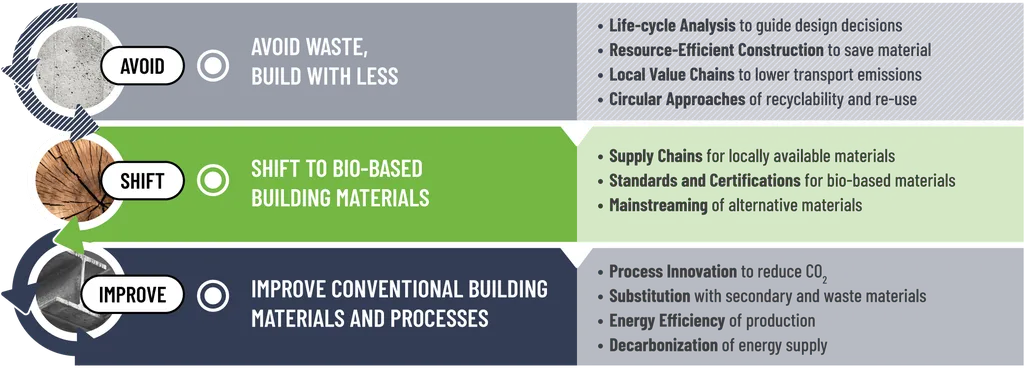
One of the key recommendations from the research is a shift towards bio-based materials. “A material revolution, such as replacing traditional materials with bio-based alternatives, could leverage economies of scale and pave the way for a more sustainable future in construction,” Li suggests. This transition could not only reduce the carbon footprint but also open new commercial opportunities for the energy sector in developing and supplying sustainable materials.
The study also highlights the need for innovation in transport, services, machinery, and on-site activities, which accounted for 37% of the construction industry’s carbon emissions in 2022. This presents an opportunity for the energy sector to invest in low-carbon technologies and practices that can be integrated into construction processes.
The research published in *Communications Earth & Environment* serves as a catalyst for change, urging stakeholders in the construction and energy sectors to collaborate and innovate. As Li notes, “The time for action is now. We must work together to transform the construction industry and ensure a sustainable future for all.”
The implications of this research are far-reaching, shaping future developments in the field and emphasizing the need for a collective effort to achieve the Paris Agreement’s goals. The construction and energy sectors must rise to the challenge, embracing innovation and sustainability to mitigate the impacts of climate change.