
In a world increasingly focused on sustainability, the construction industry is turning to engineered wood products as a greener alternative to traditional building materials. A recent review published in the journal *Buildings* (translated from English) sheds light on the environmental performance of these products, offering valuable insights for architects, engineers, and policymakers alike. Led by Ciyuan Jin from the Department of Wood Science at the University of British Columbia, the study systematically assesses life cycle assessment (LCA) studies on engineered wood products, providing a comprehensive overview of their climate impacts and guiding low-carbon building practices.
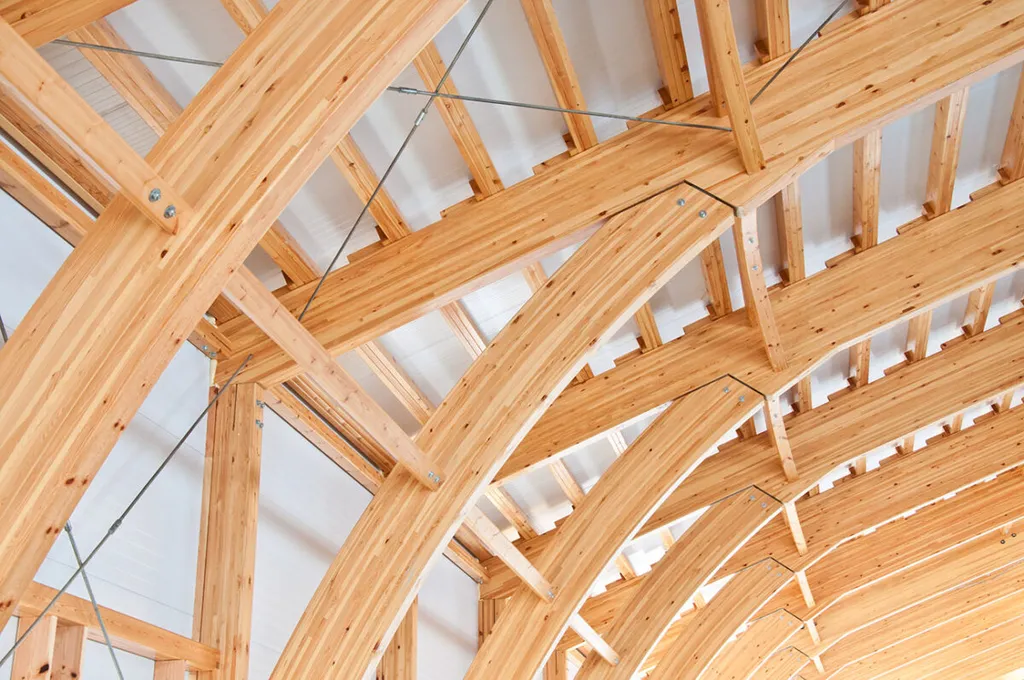
Engineered wood products, such as cross-laminated timber (CLT) and glue-laminated timber (glulam), have gained traction in recent years due to their potential to reduce the carbon footprint of buildings. These products are manufactured by binding together wood strands, fibers, or veneers with adhesives, resulting in materials that are stronger and more versatile than traditional lumber. However, their environmental performance can vary significantly depending on factors such as manufacturing processes, material sourcing, and service life.
The review analyzed peer-reviewed literature published over the past decade, identifying key trends and methodological approaches in LCA studies. According to Jin, “There has been a steady growth of research in this field, with China, the United States, and Europe leading the way.” The study found that volume-based functional units are predominantly used in structural wood studies, while mass-based units are more common for composites. Cradle-to-gate boundaries are frequently employed, with data primarily drawn from established databases such as Ecoinvent and Environmental Product Declarations.
One of the most significant findings of the review is the consistent lower and more stable climate change impacts of CLT and glulam compared to fiberboards. This can be attributed to the lower adhesive content and less energy-intensive manufacturing processes of these products. “Cross-laminated timber and glue-laminated timber show promising environmental performance, making them attractive options for sustainable construction,” Jin explains.
The study also highlights the importance of key factors such as service life, wood species, and material sourcing in influencing the environmental outcomes of engineered wood products. As the construction industry continues to evolve, standardized methodologies and further exploration of emerging products, such as nail-laminated and dowel-laminated timber and laminated bamboo, will be crucial in improving comparability and informing sustainable design practices.
The findings of this review have significant implications for the energy sector, as the construction industry accounts for a substantial portion of global energy consumption and greenhouse gas emissions. By adopting engineered wood products with lower climate change impacts, the industry can make significant strides towards reducing its carbon footprint and mitigating climate change.
As the world grapples with the challenges of climate change and sustainability, the insights provided by this review offer a beacon of hope for the construction industry. By embracing engineered wood products and prioritizing low-carbon building practices, architects, engineers, and policymakers can pave the way for a greener, more sustainable future. The research published in *Buildings* serves as a timely reminder of the power of innovation and collaboration in driving positive change in the built environment.