
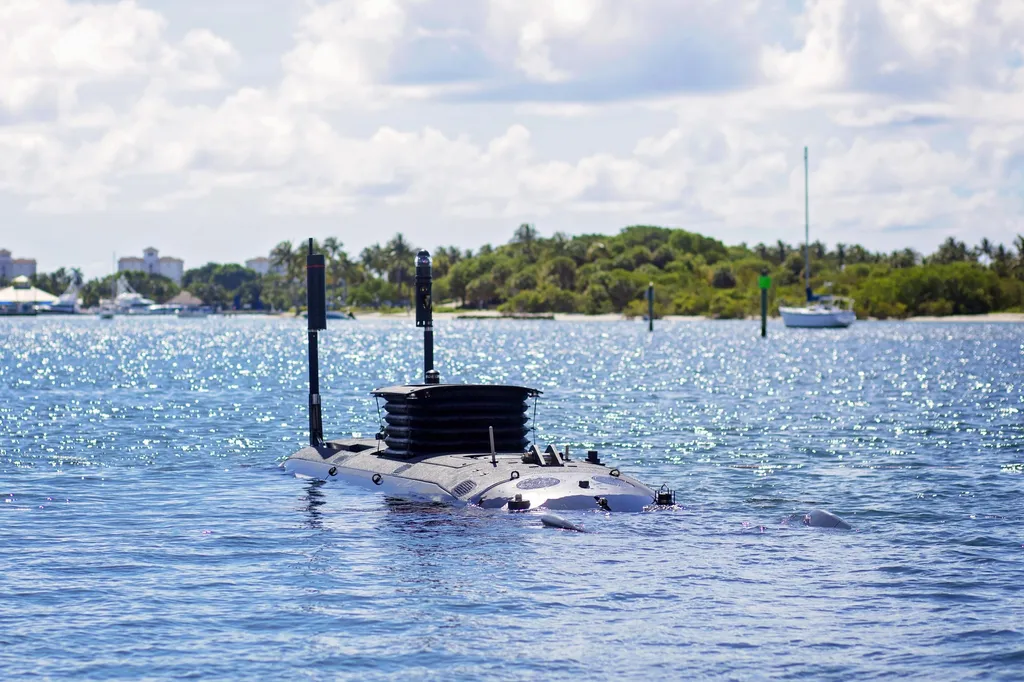
In the quest for sustainable and high-performance materials, researchers have turned to an unlikely source: date seeds. A recent study published in the *Journal of Materials and Engineering Structures* (translated as the Journal of Materials and Engineering Structures) explores the potential of date seed-derived carbon as a reinforcement for glass fiber composites, particularly for submarine hull construction. The research, led by Sani Mohammed Adams from the University of Nigeria, Nsukka, offers a glimpse into a future where agricultural waste could revolutionize marine engineering.
The study focuses on glass fiber-reinforced polyester composites enhanced with carbon derived from date seeds. By incorporating varying concentrations of this bio-based carbon (0.5–2.0 wt%), the researchers evaluated the mechanical, physical, and microstructural properties of the resulting composites. The findings are promising, with the 0.5% carbon composite achieving the highest impact toughness and flexural modulus, indicating superior resistance to dynamic and bending stresses. “The 0.5% carbon composite showed exceptional performance, making it a strong candidate for applications requiring high durability and flexibility,” Adams noted.
The 2.0% carbon composite, while exhibiting the greatest tensile strength, demonstrated lower flexibility. Meanwhile, the 1.0% carbon composite stood out for its lowest density, enhancing buoyancy—a critical factor for marine use. All samples exhibited 0% water absorption, confirming excellent moisture resistance, a crucial attribute for submarine hulls.
The study’s findings highlight the potential of date seed-derived carbon as a sustainable reinforcement capable of improving the strength-to-weight ratio of glass fiber composites. This innovation offers a lightweight, corrosion-resistant alternative to conventional metals, which could significantly impact the energy sector, particularly in offshore and subsea applications.
“The use of bio-based materials in composite manufacturing is not just a step towards sustainability but also a leap towards enhancing performance and reducing costs,” Adams explained. “This research opens up new avenues for utilizing agricultural waste in high-performance engineering applications.”
The implications of this research extend beyond submarine hulls. The energy sector, particularly in offshore wind farms and subsea infrastructure, could benefit from lightweight, corrosion-resistant materials that reduce maintenance costs and environmental impact. As the world shifts towards renewable energy, the demand for durable and sustainable materials is set to rise, and date seed-derived carbon composites could play a pivotal role in meeting this demand.
The study’s findings, published in the Journal of Materials and Engineering Structures, underscore the importance of interdisciplinary research in driving innovation. By combining materials science, engineering, and sustainability, researchers like Adams are paving the way for a future where waste is transformed into high-performance materials, shaping the energy sector and beyond.