
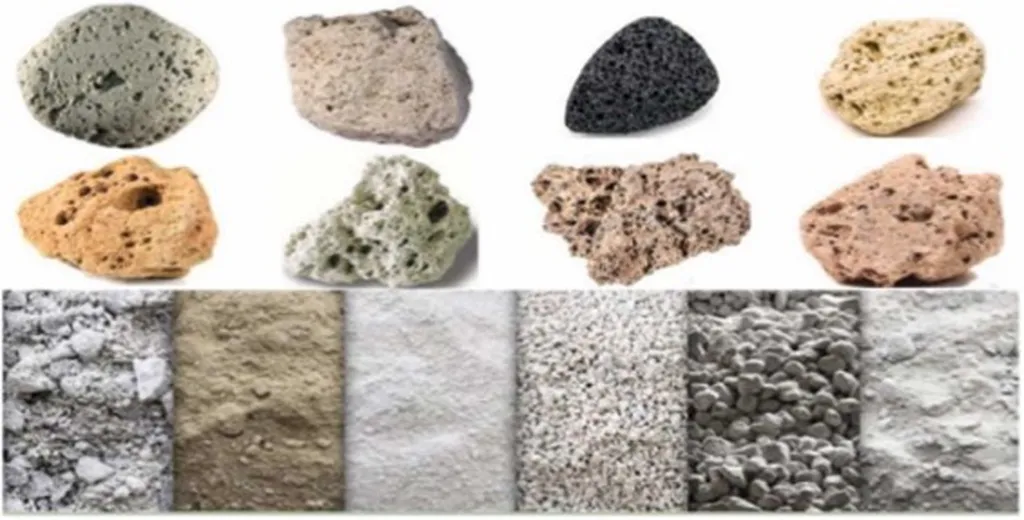
In the quest to build smarter, lighter, and more energy-efficient structures, researchers are continually pushing the boundaries of traditional materials. A recent study published in the *Journal of Engineering* (مجلة الهندسة) has shed light on a promising innovation in the world of construction: pumice lightweight concrete reinforced with glass fiber. The research, led by Abbas Ali Nassif from the Department of Civil Engineering at the University of Baghdad, explores how this novel material could revolutionize the building and energy sectors.
Traditional concrete, while robust and versatile, has its limitations, particularly when it comes to weight and energy efficiency. This is where lightweight concrete comes into play. Nassif and his team set out to enhance the mechanical properties of pumice lightweight concrete by incorporating glass fiber and glass fiber mesh. “The goal was to create a material that not only reduces the structural load but also improves overall performance,” Nassif explained.
The study involved testing five different mixtures of pumice lightweight concrete. These included a reference mix without any fiber, a mix with 1% glass fiber, a mix with one layer of fiber glass mesh, a mix with three layers of fiber glass mesh, and a hybrid mix combining both glass fiber and three layers of fiber glass mesh. Each mixture underwent rigorous testing to determine its compressive strength, center point flexural strength, and splitting tensile strength.
The results were impressive. The inclusion of fibers led to significant improvements in the material’s mechanical properties. Compressive strength increased by 20.39%, splitting tensile strength by a remarkable 138%, and flexural strength by 60.68%. “These enhancements suggest that the material could be particularly beneficial in applications where weight reduction and structural integrity are critical,” Nassif noted.
The commercial implications for the energy sector are substantial. Lightweight concrete can reduce the overall weight of buildings, leading to lower energy consumption for heating and cooling. This is particularly relevant in the context of sustainable construction and energy-efficient design. “As the world moves towards greener building practices, materials like these could play a pivotal role in reducing the carbon footprint of the construction industry,” Nassif added.
The research published in the *Journal of Engineering* (مجلة الهندسة) opens up new avenues for innovation in the field of construction materials. By enhancing the mechanical properties of lightweight concrete, Nassif and his team have demonstrated the potential for creating more efficient and sustainable structures. As the industry continues to evolve, this study could pave the way for future developments in lightweight, high-performance materials.
The findings not only highlight the importance of ongoing research in materials science but also underscore the need for collaboration between academia and industry. As Nassif’s work shows, the future of construction lies in the intersection of innovation and practical application. With further research and development, pumice lightweight concrete reinforced with glass fiber could become a cornerstone of modern, energy-efficient construction.