
In the heart of Spain, a researcher is breathing new life into an ancient construction technique, one that could hold the key to more sustainable, energy-efficient buildings. Ana Patricia Minguito García, from the Universidad Politécnica de Madrid, is leading the charge in revisiting *bousillage*, a traditional method that uses natural waste as a building material. Her work, published in the *Vitruvio: International Journal of Architectural Technology and Sustainability* (translated as “Vitruvius: International Journal of Architectural Technology and Sustainability”), is not just about preserving history; it’s about shaping the future of construction.
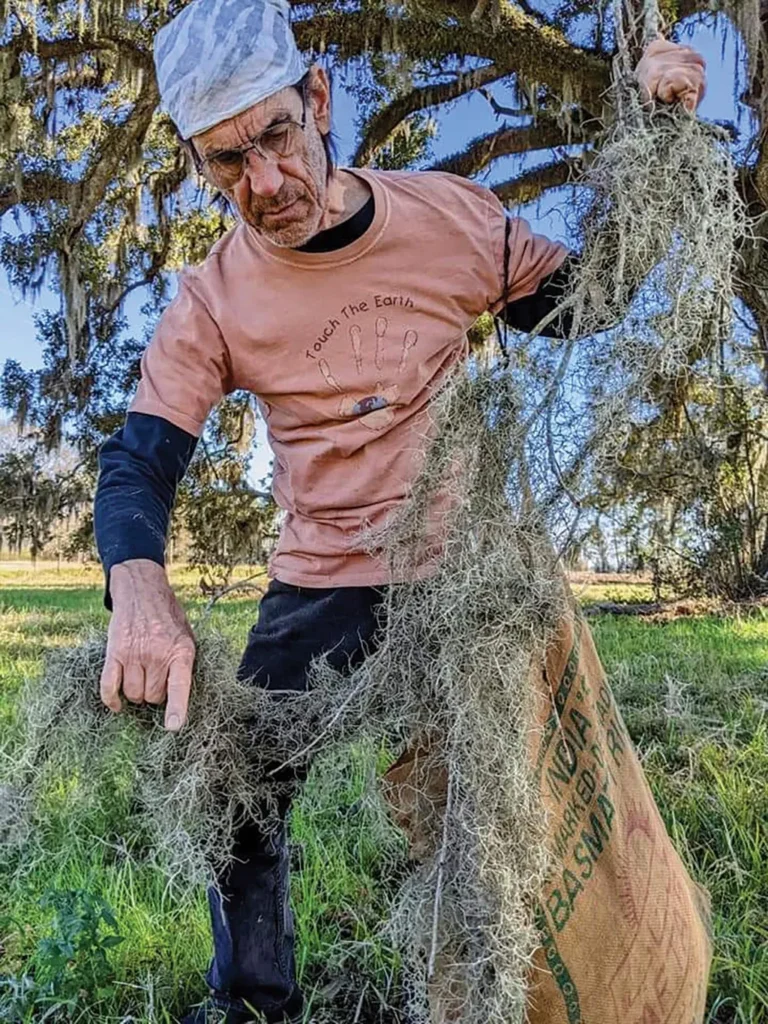
Bousillage, a technique with roots in tropical, West European, and Mediterranean regions, involves a timber framework filled with a fibrous mixture. What sets it apart is its use of plant waste as a binder. García’s research focuses on three specific types of plant waste: golden broom, Spanish moss, and Posidonia oceanica, a type of seagrass. “This technique is a symbiotic construction method,” García explains. “It creates a balance between nature and human activity in the local ecosystem, regardless of the plant waste used or the climatic context.”
The implications for the energy sector are significant. Buildings account for a substantial portion of global energy consumption, much of which is used for heating and cooling. By incorporating natural, insulating materials like those used in bousillage, buildings could become more energy-efficient, reducing their carbon footprint and operating costs. “When waste discarded by nature is used as an active component in thermal building improvements, it benefits both the fauna and flora species, as well as anthropized neighborhoods,” García notes.
García’s research involved collecting field and hygrothermal data for each type of vegetal binder. The results confirm that bousillage can indeed provide effective insulation, contributing to a more sustainable built environment. This technique could be particularly relevant in regions where these plant materials are abundant, offering a low-cost, eco-friendly alternative to conventional insulation materials.
The commercial potential is substantial. As the world grapples with climate change and the need for sustainable development, construction techniques that reduce energy consumption and environmental impact are in high demand. Bousillage, with its use of natural waste, could become a key player in the green building market. Moreover, the technique’s adaptability to different climates and plant materials makes it a versatile solution for various regions.
García’s work is a testament to the power of looking to the past to inform the future. By reviving traditional techniques like bousillage, we can create buildings that are not only energy-efficient but also harmonious with their natural surroundings. As García puts it, “Reviving this traditional technique in accordance with the current ecological situation creates necessary anthroponatural interdependence for the long-term survival of the ecosystem.”
In the quest for sustainable construction, every innovation counts. García’s research on bousillage is a step forward, offering a glimpse into how ancient techniques can be adapted to meet modern challenges. As the construction industry continues to evolve, the lessons from the past could very well light the way to a greener future.