
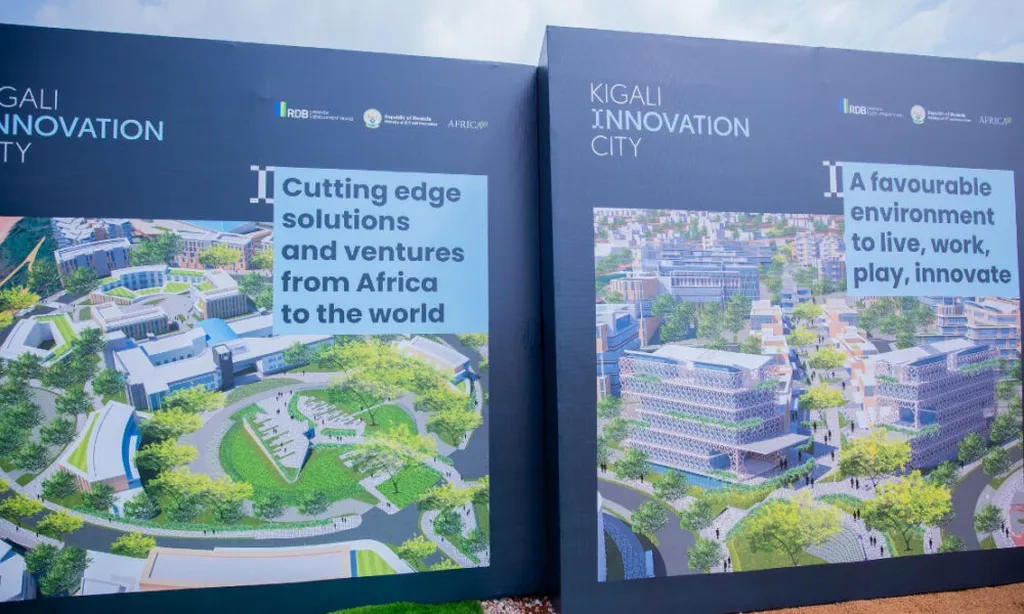
In the heart of Kigali City, Rwanda, a quiet revolution is taking place, not in towering skyscrapers or bustling markets, but in tiny urban parkettes that are redefining how city dwellers connect with their surroundings. A recent study published in *Acta Structilia* (which translates to *Structural Act* or *Structural Journal*) explores how these mini parks, often overlooked, play a pivotal role in fostering a sense of belonging and attachment among residents. The research, led by Edwin Koyoo from the University of Rwanda, delves into the landscape values that make these spaces indispensable, offering insights that could reshape urban planning and development strategies.
Urban parkettes, often referred to as pocket parks, are small green spaces scattered throughout cities. They might seem insignificant compared to larger parks, but their impact is profound. “These spaces provide recreational, aesthetic, and environmental benefits,” Koyoo explains. “They are vital for residents to connect with nature and their community, especially in densely populated urban areas where large parks are scarce.”
The study focused on the Central Business District of Kigali, where parkettes range in size from 382 square meters to 6,034 square meters, with a total green network of 11,124 square meters. Through surveys, interviews, and field investigations, Koyoo and his team uncovered that air quality, recreational, and therapeutic values were the most significant predictors of place dependence—essentially, how attached people feel to these spaces. Economic value, on the other hand, was found to be the least important.
This research isn’t just about green spaces; it’s about people. By understanding what makes these parkettes valuable to residents, urban planners and policymakers can create environments that foster stronger community ties and encourage regular use. “Enhancing place quality through naming, signage, shade trees, bollards, and small shops can significantly improve user satisfaction and place dependence,” Koyoo suggests. These enhancements could transform these spaces into vibrant hubs of activity, boosting local economies and improving quality of life.
The findings also propose a conceptual framework that links principles, place quality, place expectations, and outcomes. This framework could guide future research and development, ensuring that urban green spaces are designed with people at the center. For the energy sector, this research highlights the importance of integrating green spaces into urban planning, which can contribute to sustainable development and energy efficiency. By creating environments that people love and frequent, cities can reduce the need for energy-intensive infrastructure and promote healthier, more sustainable lifestyles.
As cities continue to grow and evolve, the lessons from Kigali’s parkettes offer a blueprint for creating urban spaces that are not just functional but also deeply meaningful to the people who use them. The study, published in *Acta Structilia*, serves as a reminder that even the smallest green spaces can have a big impact, shaping the way we think about and interact with our urban environments.