
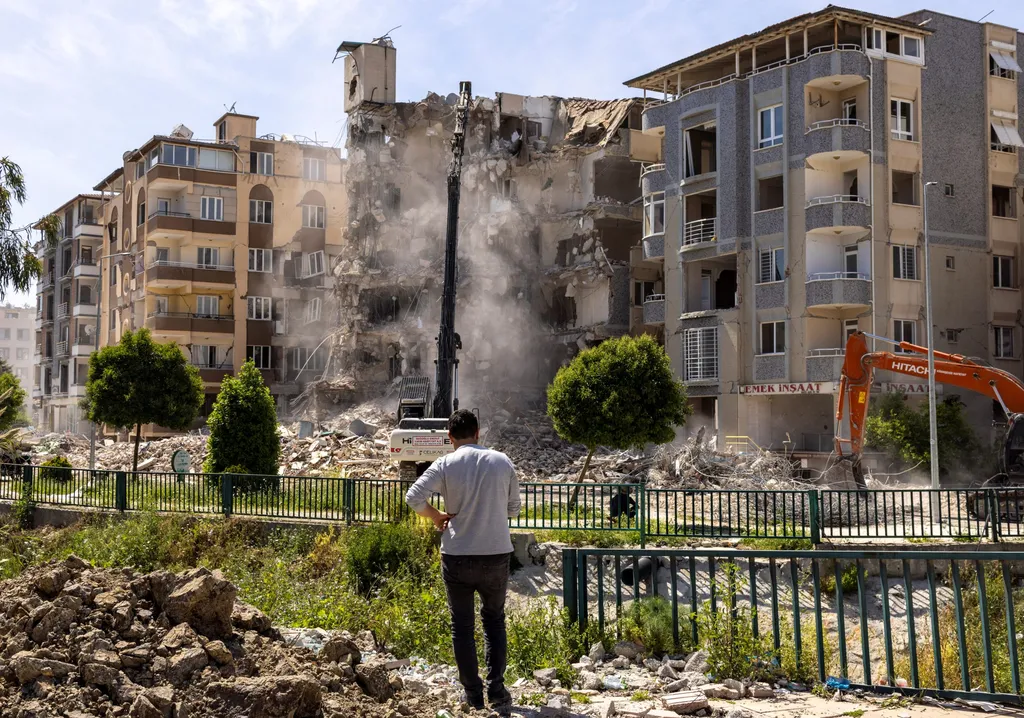
In the wake of the devastating Kahramanmaras earthquake that struck Turkey on February 6, 2023, the rapid deployment of temporary housing solutions became a critical priority. Among these solutions, container cities emerged as a prominent option, offering swift shelter for those displaced by the disaster. However, the effectiveness of these temporary housing units, particularly in terms of user satisfaction, has often been overlooked. A recent study published in *Acta Structilia* (which translates to *Structural Acts*) aims to change that, focusing on the container city established in Diyarbakir and providing valuable insights for future disaster recovery efforts.
Led by Berfin Eren from Dicle University in Turkey, the research delves into the often-overlooked aspect of user satisfaction in temporary housing units. “The aftermath of natural disasters often necessitates the rapid deployment of temporary housing solutions such as container cities,” Eren explains. “However, there is a significant gap in the comprehensive and timely evaluation of user satisfaction in these newly established settlements.”
The study evaluates user satisfaction across various aspects of the container city in Diyarbakir, including social amenities, technical infrastructure, housing units, and sociocultural relations. By examining these factors, the research seeks to provide valuable insights for disaster management authorities, urban planners, and policymakers involved in post-disaster recovery.
One of the key objectives of the study is to identify specific areas of high and low satisfaction among residents. “We aim to analyse the relationship between physical design elements and user satisfaction and explore the sociocultural factors influencing residents’ experiences,” Eren notes. This comprehensive evaluation is expected to contribute to the improvement of future temporary housing solutions, emphasizing the importance of considering both physical and sociocultural aspects in disaster recovery planning.
The findings of this research have significant implications for the energy sector as well. Temporary housing units, particularly those established in the aftermath of disasters, often rely on energy-efficient solutions to meet the needs of residents. By understanding the factors that contribute to user satisfaction, energy providers and policymakers can develop more effective strategies for delivering energy services in these settings.
Moreover, the study highlights the importance of considering the unique needs and preferences of residents in disaster-affected areas. “Through this comprehensive evaluation, we aim to enhance the overall effectiveness and user experience of temporary housing initiatives in post-disaster scenarios,” Eren states. This focus on user satisfaction can lead to more sustainable and resilient communities, ultimately benefiting the energy sector and other stakeholders involved in disaster recovery efforts.
As the world continues to grapple with the challenges posed by natural disasters, research like Eren’s offers a crucial step towards improving the effectiveness of temporary housing solutions. By prioritizing user satisfaction and considering the sociocultural factors that influence residents’ experiences, we can create more resilient and sustainable communities in the face of adversity. The insights gained from this study are expected to shape future developments in the field, ultimately contributing to more effective disaster management and recovery planning.