
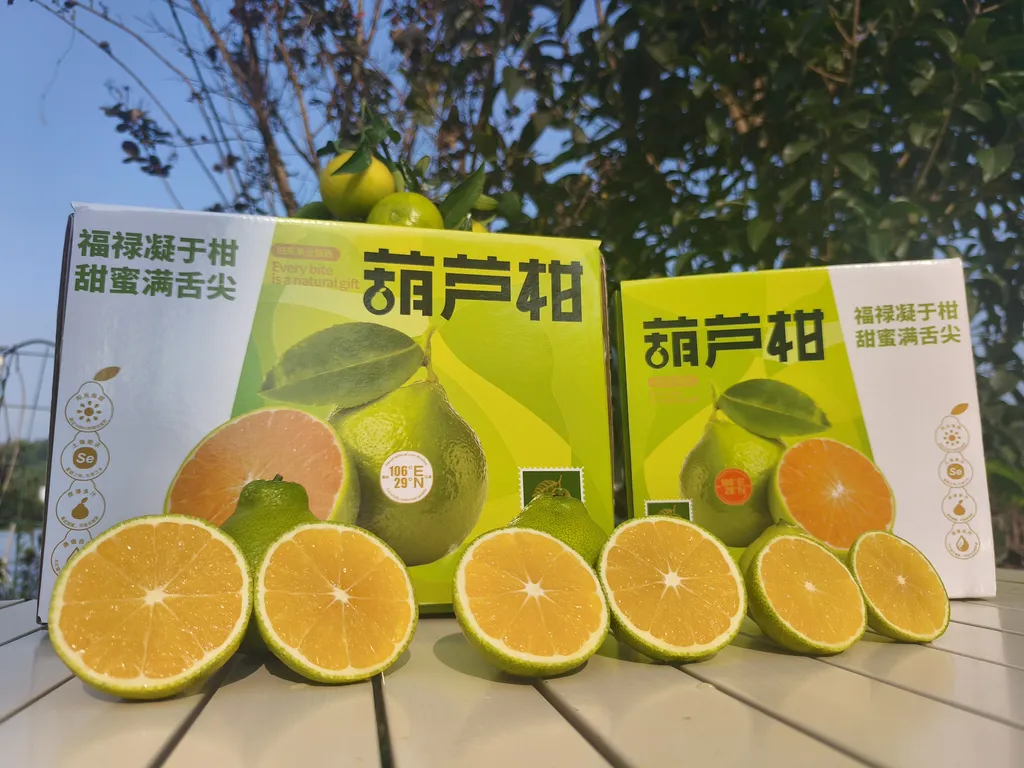
In the heart of China, nestled in the sprawling landscapes of Chongqing, lies a treasure trove of citrus diversity that is quietly revolutionizing the global citrus industry. The National Citrus Germplasm Repository in Chongqing (NCGRCQ), the world’s largest citrus field genebank, has been diligently collecting, conserving, and innovatively utilizing citrus germplasm resources, according to a recent study published in *Guoshu xuebao* (translated as *Acta Horticulturae Sinica*).
Led by JIANG Dong from the Citrus Research Institute of Southwest University and the Citrus Innovation Center of Chinese Academy of Agricultural Sciences, the research highlights the repository’s impressive collection of 2,175 citrus germplasm accessions by the end of 2024. These include a rich tapestry of landraces, breeding varieties, genetic materials, wild accessions, and closely related plants, sourced from 22 provinces within China and 33 countries worldwide.
The NCGRCQ’s work is not just about preservation; it’s about innovation and practical application. “We’ve identified 234 elite accessions with desirable traits such as high total soluble solids, low acid content, seedlessness, and disease tolerance,” explains JIANG Dong. These traits are goldmines for breeders aiming to develop new citrus varieties that meet market demands and withstand environmental challenges.
The repository’s efforts have already borne fruit, quite literally. Through strategic breeding programs, several new varieties like Dayagan, Shangpin No. 2, and Huamei No. 7 have been developed. These varieties boast excellent fruit quality, seedlessness, and monoembryonic characteristics, thanks to the use of germplasm accessions like Nankou, Beni madona, and Nishinokaori as female parents. The repository has also employed seedling top-grafting technology to shorten the juvenility stage, speeding up the breeding process.
But the innovation doesn’t stop at traditional breeding. NCGRCQ has also ventured into the realm of molecular biology, using genotyping and phenotyping methods to identify important candidate genes associated with fruit quality traits and disease tolerance. “We’ve identified 15 major regulatory genes and developed 23 tightly linked molecular markers,” says JIANG Dong. This genetic insight is a game-changer, improving breeding efficiency and paving the way for more targeted and precise breeding strategies.
The impact of NCGRCQ’s work extends beyond the lab and field. The repository has shared a staggering 15,700 citrus germplasm accessions and associated data with various applicants. These materials have been widely used in scientific research, citrus breeding, orchard construction, and nursery propagation, playing a pivotal role in rural poverty alleviation and the sustainable development of the citrus industry.
As we look to the future, the work of NCGRCQ serves as a beacon of what’s possible when conservation meets innovation. It’s a testament to the power of preserving biodiversity and harnessing its potential to drive progress. In the words of JIANG Dong, “Our work is not just about the past; it’s about the future of citrus.”
The research published in *Guoshu xuebao* offers a glimpse into the future of citrus breeding and the vital role that germplasm repositories play in shaping it. As the global citrus industry faces challenges such as climate change and evolving consumer preferences, the innovative utilization of citrus resources at NCGRCQ provides a roadmap for developing resilient, high-quality citrus varieties that can meet these challenges head-on.