
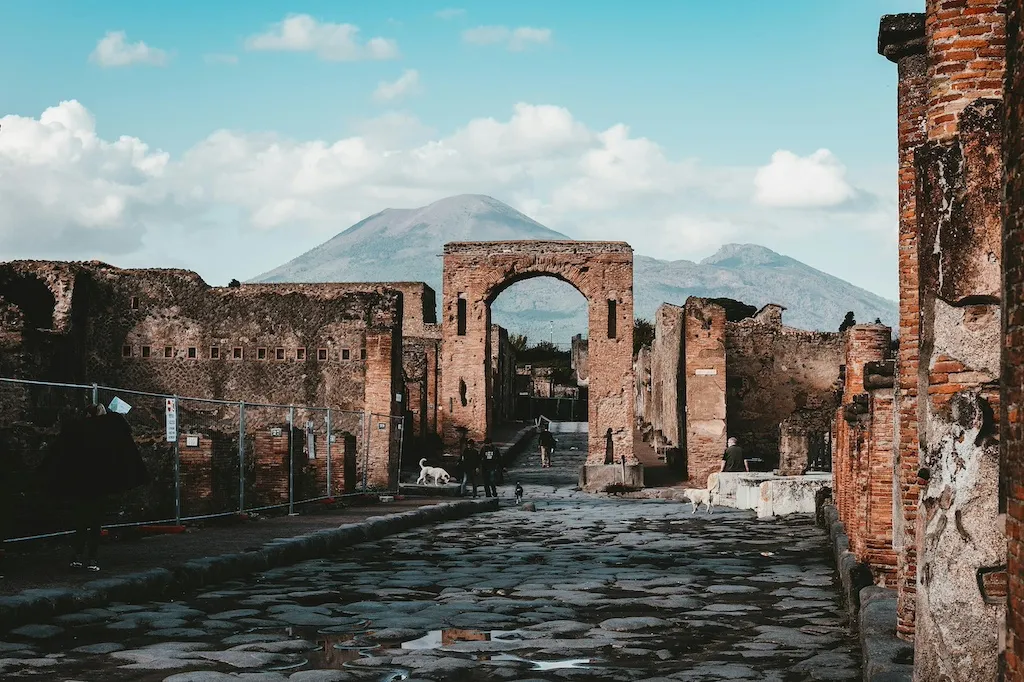
In the shadow of Mount Vesuvius, an ancient construction site frozen in time has yielded groundbreaking insights into Roman building technology, with implications that could reshape modern construction and energy efficiency. Recent excavations in Pompeii’s Regio IX have uncovered an intact construction site, offering a rare glimpse into the techniques used by Roman builders just before the catastrophic eruption of 79 CE. This discovery, detailed in a study published in *Nature Communications* (translated as “Nature Communications”), is shedding light on the sophisticated methods employed by ancient engineers, potentially inspiring innovations in sustainable and durable construction materials.
The study, led by Ellie Vaserman of the Massachusetts Institute of Technology’s Department of Civil and Environmental Engineering, reveals that Roman builders pre-mixed quicklime with dry pozzolan before adding water—a technique known as hot mixing. This process triggers an exothermic reaction within the mortar, creating lime clasts that contribute to the self-healing and long-term reactivity of hydraulic mortars. “This method not only enhanced the durability of their structures but also demonstrated an advanced understanding of material science,” Vaserman explains. “The Romans were essentially engineering materials that could evolve over time, a concept that is highly relevant to modern sustainable construction.”
The analysis of reaction rims around volcanic aggregates shows how calcium ions from the dissolution of lime clasts diffuse and remineralize, producing amorphous phases and various polymorphs of calcium carbonate, including calcite and aragonite. This interfacial remodeling is a key factor in the longevity and resilience of Roman concrete. “The Romans were able to create materials that could repair themselves over time,” Vaserman notes. “This self-healing property is something we are only beginning to replicate in modern materials.”
The discovery also includes masonry materials and tools, providing a comprehensive view of the entire construction workflow. This includes the steps required to process binding mortars and larger aggregates, known as caementa. Understanding these ancient techniques could lead to the development of more durable and sustainable concretes, as well as restoration materials inspired by ancient practices.
For the energy sector, the implications are significant. The durability and self-healing properties of Roman concrete could inspire new materials that reduce maintenance costs and extend the lifespan of infrastructure. This could be particularly beneficial for energy facilities, where structural integrity is paramount. “By studying these ancient techniques, we can develop materials that are not only stronger but also more environmentally friendly,” Vaserman says. “This could revolutionize the way we build and maintain our energy infrastructure.”
The findings from Pompeii’s Regio IX offer a fascinating window into the past, but they also hold promise for the future. As researchers continue to unravel the secrets of Roman construction, the potential for innovation in sustainable and durable materials grows. This research, published in *Nature Communications*, underscores the enduring relevance of ancient engineering practices and their potential to shape the future of construction and energy efficiency.