
In the quest for sustainable and affordable housing solutions, a recent study published in the *Journal of King Saud University: Engineering Sciences* (which translates to *Journal of King Saud University: Engineering Sciences*) offers promising insights. The research, led by Ubong Williams Robert from the Department of Physics at Akwa Ibom State University, explores the hydrothermal properties of sandcrete blocks produced with raw and hydrothermally-treated sawdust as partial substitutes for sand. This innovative approach not only addresses the rising cost of sand but also tackles the environmental issues associated with sawdust waste.
Sandcrete blocks are widely used as walling elements in developing countries like Nigeria. However, the incessant rise in the cost of suitable sand has prompted researchers to look for alternative materials. Sawdust, a byproduct of wood processing, is often discarded improperly, leading to environmental problems. Robert’s study aims to mitigate these issues by utilizing sawdust as a partial substitute for sand in sandcrete blocks.
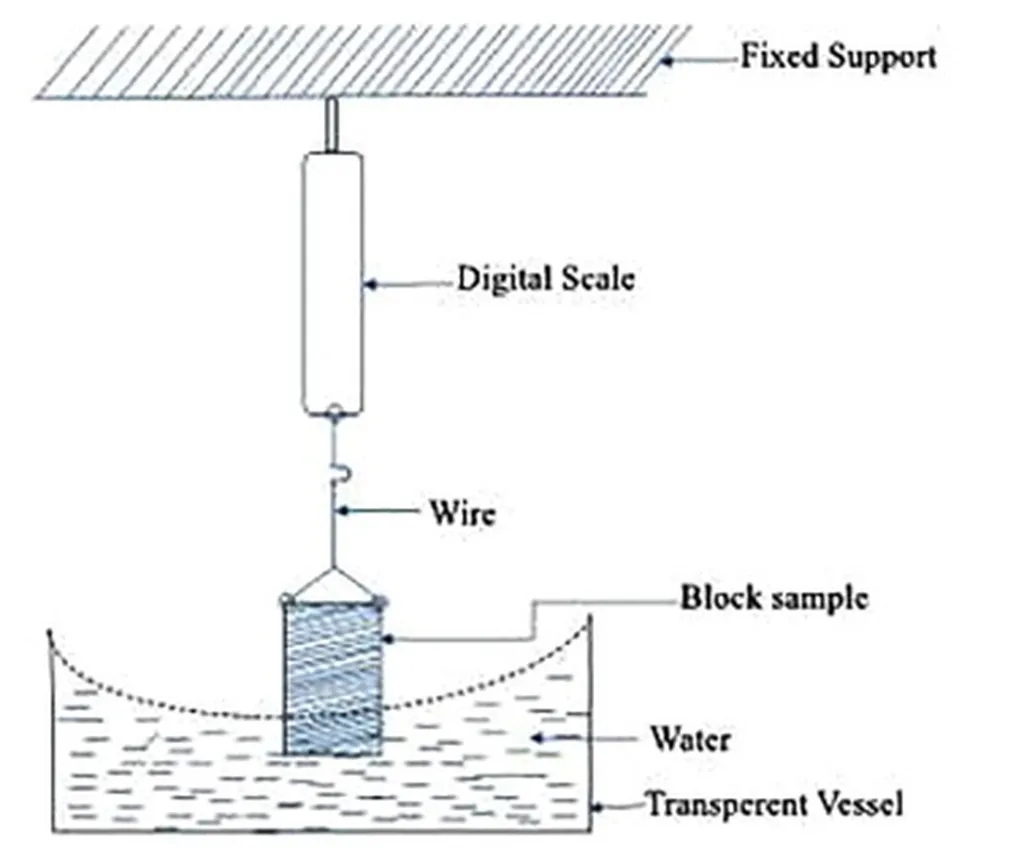
The research involved producing solid core sandcrete blocks with sand partially substituted by sawdust at various loading levels—0, 10, 20, 30, and 40% by volume. The blocks were then tested for various hydrothermal properties, including water absorption, sorptivity, bulk density, specific heat capacity, thermal conductivity, thermal diffusivity, heat penetration time, thermal lag, and solar radiation absorptivity.
The results revealed that blocks containing raw sawdust (RSD) were more effective in decreasing wall heat transmission load and improving the energy efficiency of building envelopes compared to those with hydrothermally-treated sawdust (TSD). “Blocks with raw sawdust content are more capable of decreasing wall heat transmission load and improving the energy efficiency of building envelopes,” Robert noted. This finding is significant for the energy sector, as it suggests that incorporating raw sawdust into sandcrete blocks could lead to more energy-efficient buildings, reducing the overall energy consumption and costs associated with heating and cooling.
Moreover, the study found that partial sand substitution with 20% of RSD or 10% of TSD was optimal to meet both the water absorption and bulk density requirements outlined in standard protocols. This balance ensures that the blocks maintain their structural integrity while also offering improved thermal properties.
The implications of this research are far-reaching. By utilizing sawdust as a partial substitute for sand, the construction industry can reduce the environmental impact of sawdust waste while also developing more affordable and sustainable housing solutions. “By utilising sawdust as described in this work, problems associated with its disposal could be minimised while the development of affordable, safe, and sustainable housing is enhanced,” Robert explained.
This study not only highlights the potential of sawdust as a valuable resource in the construction industry but also underscores the importance of innovative research in addressing both economic and environmental challenges. As the world continues to seek sustainable solutions, the findings from this research could pave the way for future developments in the field of building materials and energy efficiency.