
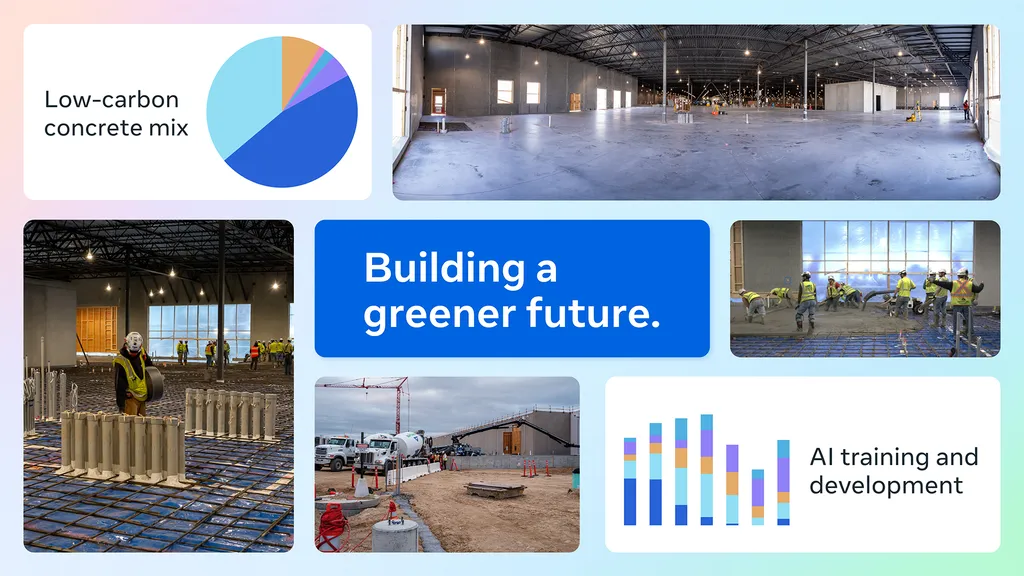
In the quest for sustainable construction materials, researchers have turned to artificial intelligence to optimize the use of Ground Granulated Blast-Furnace Slag (GGBS) concrete, a low-carbon alternative to traditional cement. A recent study led by Amin Muhammad Nasir from the NUST Institute of Civil Engineering in Islamabad, Pakistan, has developed machine learning models that predict the compressive strength of GGBS concrete with remarkable accuracy, potentially revolutionizing mix design and reducing the need for extensive laboratory testing.
The study, published in the journal *Reviews on Advanced Materials Science* (translated as “Reviews on Advanced Materials Science”), employed three machine learning approaches—Multilayer Perceptron (MLP), Adaptive Boosting (AdaBoost), and Gene Expression Programming (GEP)—to analyze a diverse dataset of experimental studies. Each model was rigorously evaluated using cross-validation and statistical indicators to ensure reliability.
The MLP model emerged as the most accurate, achieving an R-squared value of 0.89, closely followed by AdaBoost and GEP. However, it was the GEP model that offered a unique advantage: it provided a transparent mathematical equation that can be easily applied in practical settings. “The GEP model not only delivers accurate predictions but also offers a clear, interpretable equation that engineers can use to optimize GGBS concrete design,” Nasir explained. This transparency is crucial for gaining industry trust and facilitating widespread adoption.
The implications for the construction and energy sectors are significant. By reducing the need for repetitive laboratory testing, these models can accelerate the development of sustainable concrete mixes, lowering carbon emissions and costs. “This research bridges the gap between predictive accuracy and practical applicability, offering a framework that supports sustainable development,” Nasir added.
The integration of explainable artificial intelligence with symbolic regression represents a significant advancement in the field. It combines the precision of machine learning with the clarity of traditional mathematical models, providing a robust tool for engineers and researchers alike. As the demand for low-carbon construction materials continues to grow, this approach could become a cornerstone of sustainable concrete design, shaping future developments in the industry.
For professionals in the energy and construction sectors, this research offers a promising path forward. By leveraging these predictive models, companies can optimize their use of GGBS concrete, reducing environmental impact while maintaining structural integrity. The study not only highlights the potential of machine learning in material science but also underscores the importance of interpretability in driving real-world applications. As the industry moves towards sustainability, these models could play a pivotal role in achieving greener, more efficient construction practices.