
In the quest for sustainable construction materials, researchers are increasingly turning to recycled and artificial alternatives to replace traditional resources. A recent study published in the journal *Civil and Environmental Engineering* (translated from Slovak as *Civil and Environmental Engineering*) explores the potential of combining recycled plastic waste with lightweight expanded clay aggregate (Liapor) to create a novel mixture for use in sub-ballast layers. The research, led by Peter Dobeš of the Faculty of Civil Engineering at the University of Žilina in Slovakia, offers promising insights into the thermal insulation properties of this innovative material, despite its limitations in compressive strength.
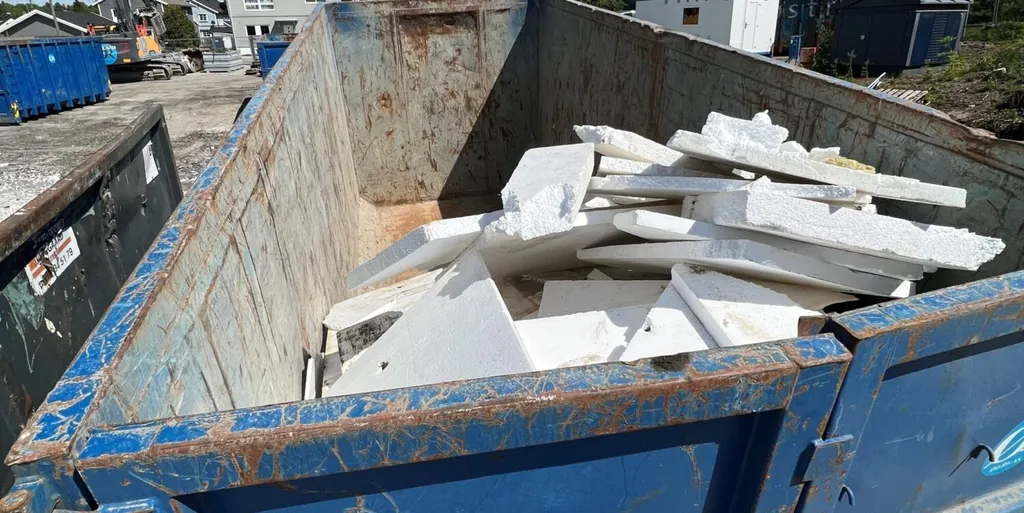
The study focuses on the use of expanded polystyrene and polyester fibers, common plastic waste materials, combined with Liapor to produce a mixture that could serve as a structural layer in sub-ballast layers. The hypothesis was that this recycled material would not only provide thermal insulation but also offer partial reinforcement within the structural composition. To test this, the researchers manufactured samples of the plastic and Liapor mixture and subjected them to compressive strength tests.
The results, however, revealed that the mixture’s compressive strength was insufficient for its intended use in sub-ballast layers, with a maximum compressive strength of approximately 0.40 MPa. “While the compressive strength did not meet our initial expectations, the thermal insulation properties of the mixture are quite promising,” said lead author Peter Dobeš. This finding suggests that the material could still find applications in areas where thermal insulation is a priority, such as in energy-efficient buildings or cold storage facilities.
The study highlights the potential for recycled plastic waste to be repurposed in the construction industry, contributing to sustainable development and reducing environmental impact. “The construction industry is always looking for ways to incorporate recycled materials into their projects,” Dobeš explained. “This research is a step towards understanding how we can effectively use plastic waste in construction applications.”
The findings also open up new avenues for future research. Dobeš and his team suggest that adjusting the ratio of material components and possibly modifying the manufacturing process could enhance the compressive strength of the mixture. “We believe that with further optimization, this material could become a viable option for various construction applications,” Dobeš added.
The study’s focus on the thermal insulation properties of the plastic and Liapor mixture is particularly relevant to the energy sector. As the demand for energy-efficient buildings continues to grow, the need for effective insulation materials becomes increasingly important. This research could pave the way for the development of new insulation materials that are not only environmentally friendly but also cost-effective.
In conclusion, while the plastic and Liapor mixture may not yet be suitable for structural applications in sub-ballast layers, its thermal insulation properties offer a promising alternative for the energy sector. As researchers continue to explore the potential of recycled materials in construction, this study serves as a reminder of the importance of sustainable practices in the industry. The findings, published in *Civil and Environmental Engineering*, provide a valuable contribution to the ongoing efforts to reduce waste and promote sustainable development in the construction sector.