
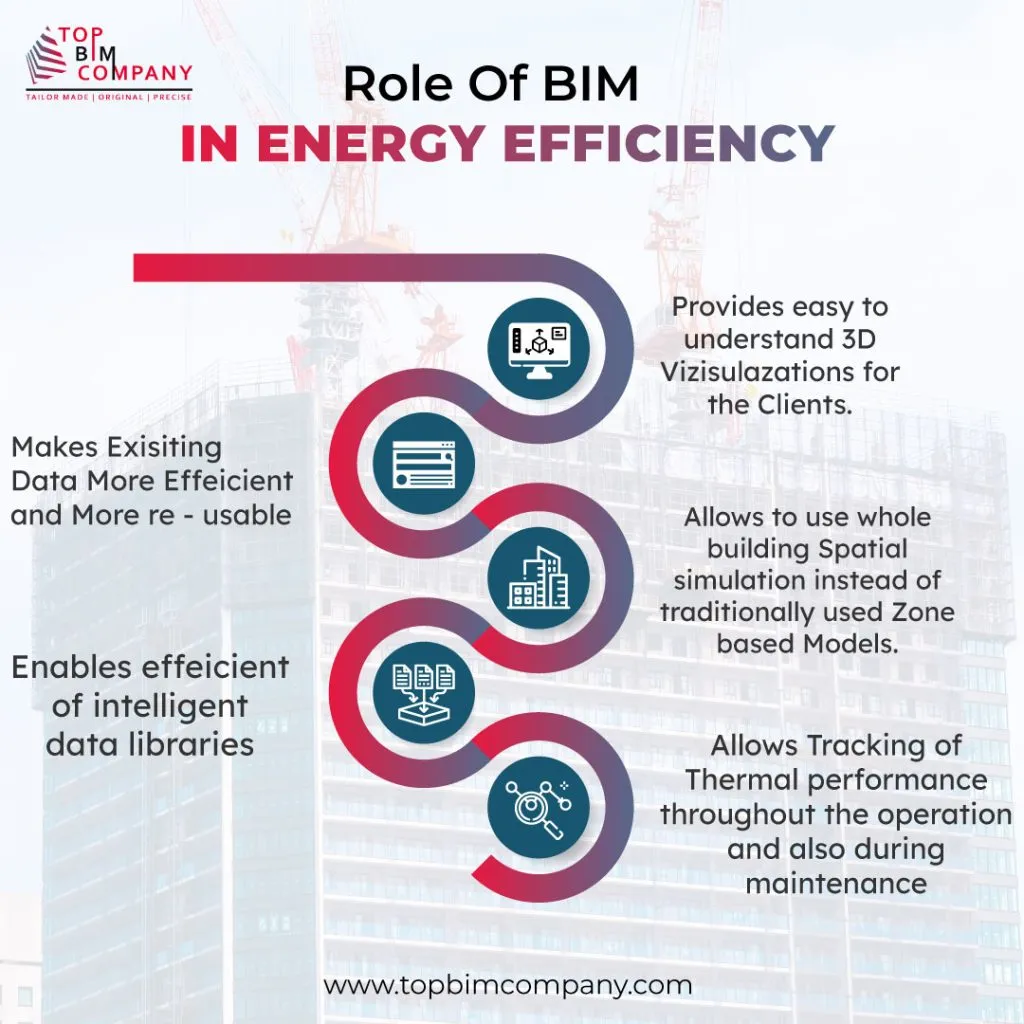
In the ever-evolving landscape of sustainable construction, a groundbreaking study led by Álmos Á. Semjén, published in the *Chemical Engineering Transactions* (translated as *Transactions on Chemical Engineering*), is making waves. The research delves into the integration of Building Information Modeling (BIM) and parametric modeling, offering a fresh perspective on how these technologies can revolutionize sustainable building design and practices.
The construction industry is under increasing pressure to reduce its environmental footprint. Buildings, from their inception to demolition, contribute significantly to carbon emissions and resource depletion. Semjén’s study highlights that the integration of BIM and parametric modeling can optimize energy use, material efficiency, and embodied carbon reduction throughout a building’s life cycle. “This integration provides significant opportunities for improving sustainability performance,” Semjén notes, emphasizing the potential for data-driven maintenance and circular material management.
The study reviews modern procedures and toolsets applicable in various phases of building life cycles, from design and construction to operation and demolition/renovation. It identifies current research trends, gaps, and challenges, particularly in interoperability, standardization, and the integration of social and economic sustainability indicators. “Despite rapid technological development, major challenges remain,” Semjén acknowledges, pointing to the need for further advancements in these areas.
For the energy sector, the implications are profound. The optimization of energy use and material efficiency can lead to substantial cost savings and reduced environmental impact. Data-driven maintenance, enabled by BIM and parametric modeling, can extend the lifespan of building systems and reduce energy consumption. Moreover, circular material management can minimize waste and promote the reuse of materials, further enhancing sustainability.
The integration of BIM and parametric modeling is not just a technological advancement; it’s a paradigm shift in how we approach sustainable building design. As Semjén’s research suggests, this integration can drive innovation and efficiency in the construction industry, ultimately benefiting the energy sector and the environment. The study serves as a call to action for further research and development in this critical area, paving the way for a more sustainable future.
In the quest for sustainable construction, Semjén’s work offers a beacon of hope and a roadmap for the future. As the industry continues to grapple with environmental challenges, the integration of BIM and parametric modeling may well be the key to unlocking a new era of sustainable building design and practices.