
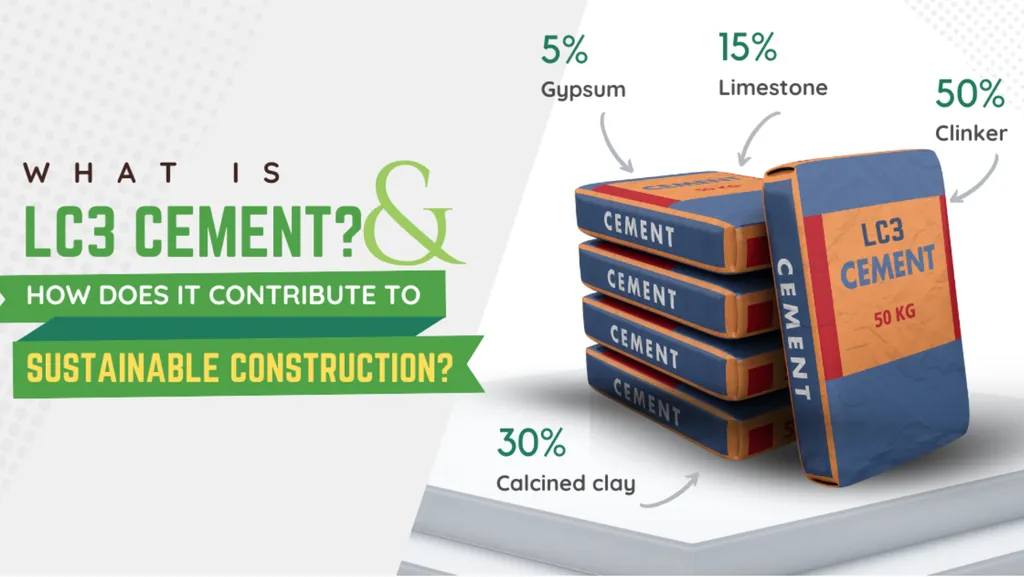
In the quest for sustainable construction materials, a new contender is emerging from the shadows of traditional cement. Limestone calcined clay cement, or LC3, is gaining traction as a greener alternative to ordinary Portland cement (OPC), and a recent bibliometric study is shedding light on its potential. The research, led by Ayman Shamseldein of the Structural Engineering Department, offers a comprehensive overview of the current state and future directions of LC3 durability research, with significant implications for the energy sector.
The study, published in ‘The Scientific World Journal’ (translated to English as ‘The Scientific World Journal’), analyzed 21 articles from 2017 to 2025, revealing a growing interest in LC3’s durability. “We’ve seen a notable increase in publications, particularly peaking in 2023–2024,” Shamseldein explains. “This indicates a burgeoning recognition of LC3’s potential in the construction industry.”
The research highlights that India, China, and Switzerland are at the forefront of this field, driving innovation and exploration into LC3’s capabilities. However, it also uncovers critical research gaps that need addressing. “There’s a lack of comprehensive studies on LC3’s performance under freeze-thaw cycles, alkali-silica reaction, elevated temperatures, and combined environmental exposures,” Shamseldein notes. “These are crucial for understanding LC3’s long-term durability and widespread applicability.”
The energy sector stands to benefit significantly from these advancements. As the world shifts towards sustainable energy solutions, the demand for eco-friendly construction materials is on the rise. LC3, with its lower carbon footprint, could revolutionize the way we build energy infrastructure. “By addressing these research gaps, we can pave the way for LC3’s global adoption,” Shamseldein asserts. “This could lead to more sustainable construction practices, reducing the environmental impact of the energy sector.”
The study underscores the need for international collaboration and comprehensive testing to propel LC3 research forward. As Shamseldein puts it, “The future of sustainable construction lies in our collective efforts to innovate and improve materials like LC3.” With continued research and development, LC3 could well become the cornerstone of sustainable construction, reshaping the energy sector and beyond.