
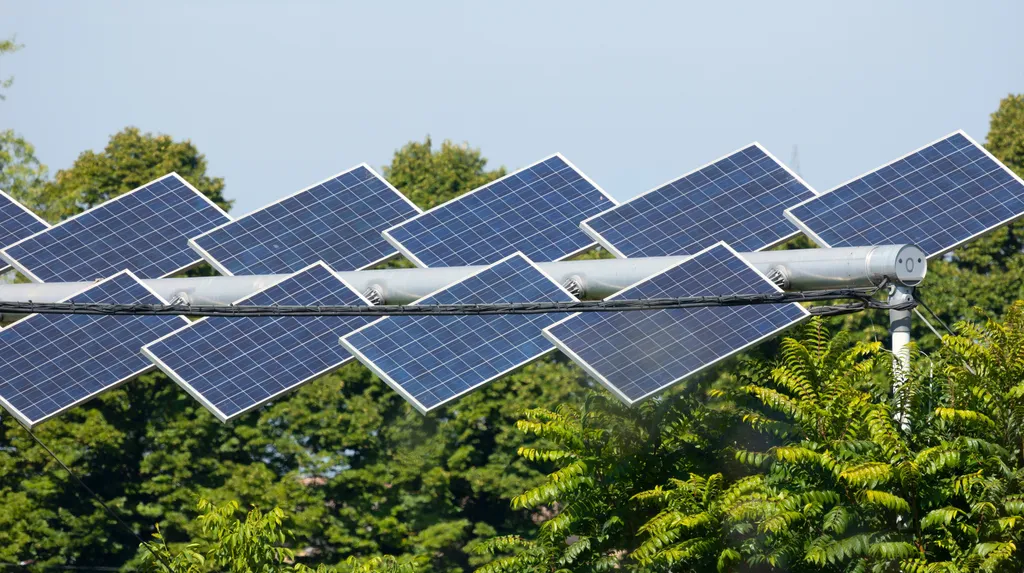
In the heart of Italy, researchers are pioneering a sustainable revolution in the construction industry, one that could reshape how we view recycled concrete aggregate (RCA) production and its environmental impact. At the forefront of this innovation is Paramasivam Santhosh, a researcher from the Department of Electrical and Electronic Engineering at the University of Cagliari. His recent study, published in the European Physical Journal Web of Conferences (a journal that translates to “European Physical Journal Web of Conferences” in English), explores the integration of renewable energy sources and advanced power electronics to optimize the RCA production process.
The construction industry is under increasing pressure to adopt sustainable practices, driven by climate change and the rising frequency of natural disasters. Santhosh’s research addresses this need head-on, focusing on minimizing the carbon footprint of crushing, sorting, and processing concrete waste. “By integrating renewable energy systems, we can significantly reduce the environmental impact of RCA production,” Santhosh explains. “Power electronics play a crucial role in enhancing energy efficiency and enabling precise control of machinery, ensuring seamless integration of intermittent renewable energy into the production workflow.”
The study evaluates the technical and economic feasibility of this approach through case studies, highlighting potential energy savings, reduced operational costs, and enhanced sustainability metrics. One of the most intriguing aspects of Santhosh’s research is the innovative adoption of vibration-based energy harvesting. This technology converts mechanical waste, such as vibrations from machinery, into useful energy, further elevating the sustainability of the RCA process and products.
The implications for the energy sector are substantial. As the demand for sustainable construction materials grows, so does the need for energy-efficient production processes. Santhosh’s research offers a blueprint for transforming traditional RCA manufacturing into an energy-efficient, eco-friendly operation. “This study enhances our understanding of sustainable construction materials and offers valuable insights for researchers and industry stakeholders aiming to utilize eco-friendly technologies,” Santhosh notes.
The potential commercial impacts are equally compelling. By reducing operational costs and enhancing sustainability, this approach could make RCA production more competitive in the market. It also opens up new opportunities for collaboration between the construction and energy sectors, fostering innovation and driving growth.
As the world grapples with the challenges of climate change and resource depletion, research like Santhosh’s offers a beacon of hope. It demonstrates that by harnessing the power of renewable energy and advanced technology, we can create a more sustainable future for the construction industry and beyond. The study not only paves the way for greener RCA production but also sets a precedent for other industries to follow suit, making it a significant milestone in the journey towards sustainability.