
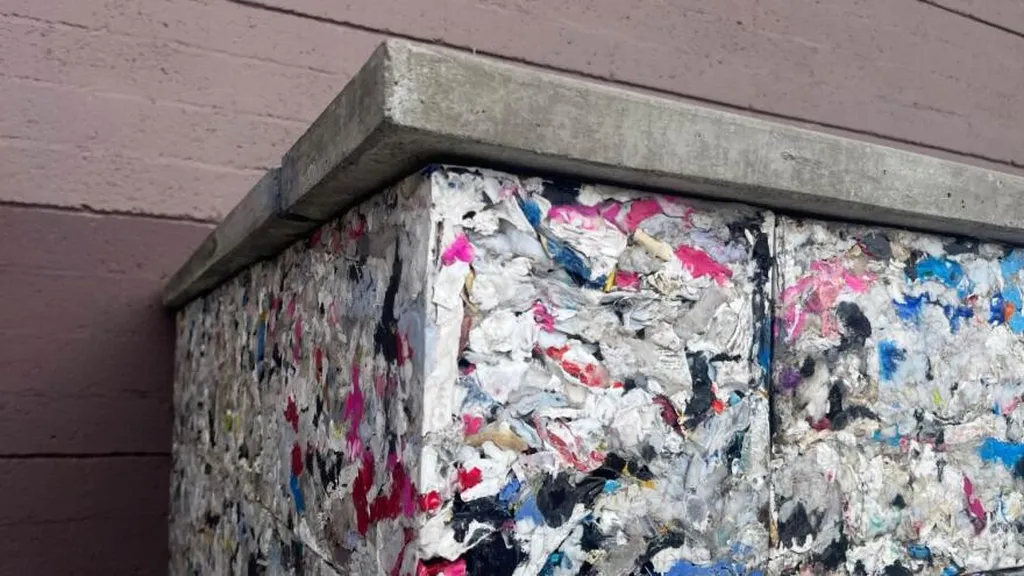
In the heart of Arizona, researchers are turning trash into treasure, and the construction industry is taking notice. Silpa Soman, a scientist at the School of Sustainable Engineering and the Built Environment at Arizona State University, has pioneered a method to transform discarded polyethylene terephthalate (PET) plastic into a valuable additive for cement, enhancing its mechanical properties. This innovation, published in the journal *Clean Materials* (translated from *CleanMat*), could revolutionize sustainable construction and offer new opportunities for the energy sector.
PET, a common plastic found in bottles and packaging, is often discarded after use, contributing to the global waste crisis. Soman’s research focuses on revalorizing this waste, giving it a second life in the construction industry. “We’re not just recycling; we’re upgrading,” Soman explains. “By functionalizing PET surfaces, we can significantly improve the interaction between plastic and cement, creating a composite material with enhanced properties.”
The process involves treating PET waste to create functionalized PET (FPET), which can then be mixed with cement. Soman’s team found that adding 12% and 16% FPET to cement significantly improved its modulus of rupture, energy absorption, and ductility. This means that the resulting composite can withstand more stress and strain, making it more durable and resilient.
The implications for the construction and energy sectors are substantial. Buildings constructed with this composite material could require less maintenance and have a longer lifespan, reducing the overall environmental impact. Moreover, the energy sector could benefit from more durable infrastructure, such as wind turbine foundations and solar panel mounts, which are subject to significant stress and strain over time.
“This research opens up new avenues for sustainable construction,” Soman says. “It’s a win-win situation: we’re reducing waste and enhancing the performance of construction materials.”
The potential commercial impacts are also significant. As the demand for sustainable and durable construction materials grows, so does the market for innovative solutions like Soman’s FPET-cement composite. This could create new opportunities for manufacturers, suppliers, and contractors, driving growth and innovation in the industry.
Looking ahead, Soman’s research could shape the future of construction and energy infrastructure. As the world grapples with the challenges of climate change and resource depletion, innovative solutions like this one will be crucial in building a more sustainable future. By turning waste into a valuable resource, Soman is not just advancing science; she’s helping to build a better world.
In the words of Soman, “We’re not just building structures; we’re building a sustainable future.” And with her groundbreaking research, that future is looking brighter than ever.