
In the bustling world of construction and energy, a groundbreaking material is making waves, promising to turn our urban infrastructure into power-generating, self-monitoring networks. Meet piezoelectric concrete, a smart material that could revolutionize how we think about energy harvesting and sustainability in buildings and infrastructure. At the forefront of this innovation is Dianah Mazlan, a researcher from the School of Civil Engineering at Universiti Sains Malaysia, who has just published a comprehensive review in the *Journal of Sustainable Construction Materials and Technologies* (translated to English as *Journal of Sustainable Construction Materials and Technologies*).
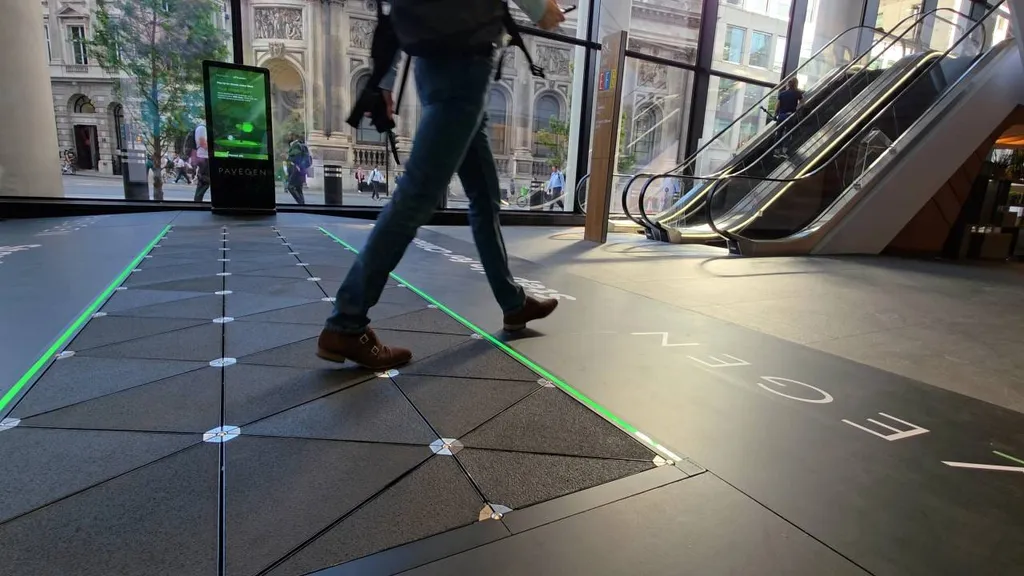
Piezoelectric concrete isn’t your average building material. It’s a high-tech blend of ceramics, polymers, nanomaterials, and even bio-based fillers embedded in cement. When stressed—like when a truck rolls over a pavement or people walk across a bridge—it generates electricity through the piezoelectric effect. This isn’t just about harvesting energy; it’s about creating infrastructure that can monitor its own health, feeding data back to engineers and city planners in real time.
Mazlan’s review dives deep into the science behind this material, exploring how different components like PZT ceramics, PVDF polymers, and hybrid nanocomposites can be integrated into concrete to maximize energy harvesting. “The key is in the electromechanical coupling,” Mazlan explains. “When mechanical stress is applied, the material generates an electrical charge. This dual functionality—energy harvesting and structural health monitoring—makes piezoelectric concrete a game-changer for smart cities.”
The applications are vast. Imagine pavements that power streetlights, bridges that monitor their own structural integrity, and buildings that contribute to their own energy needs. Mazlan points to national and international case studies where piezoelectric materials have already been tested in real-world settings, from powering low-energy devices to supporting smart city initiatives. “The potential is enormous,” she says, “but we still face challenges like low conversion efficiency, environmental durability, and high costs.”
Yet, the future looks bright. Innovations in hybrid composites, additive manufacturing, and modular low-cost designs are paving the way for scalable, durable, and intelligent infrastructure systems. Mazlan’s research doesn’t just stop at identifying these challenges; it offers a roadmap for overcoming them, linking material science with real-world engineering practice.
For the energy sector, this could mean a paradigm shift. Instead of relying solely on traditional power sources, cities could harness the energy generated by their own infrastructure. “This isn’t just about sustainability,” Mazlan notes. “It’s about creating resilient, self-sufficient urban environments that can adapt to the demands of the future.”
As piezoelectric concrete moves from laboratory prototypes to real-world applications, it’s clear that this smart material is more than just a fleeting trend. It’s a glimpse into the future of construction and energy—a future where our buildings and infrastructure don’t just support our lives but actively contribute to them. With researchers like Dianah Mazlan leading the charge, the possibilities are as limitless as the energy we can harvest from the ground beneath our feet.