
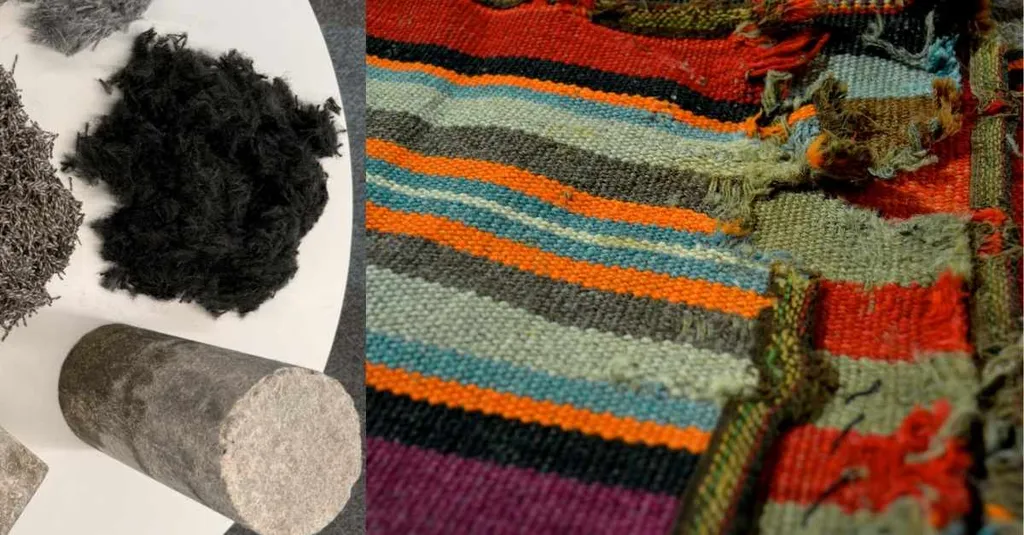
In the heart of Bangladesh, researchers are stitching together an innovative solution to two pressing global challenges: textile waste and sustainable construction. Rofi Md Rofiul Islam, a textile engineer at the National Institute of Textile Engineering and Research (NITER), has been exploring an unconventional yet promising approach—reinforcing concrete with recycled denim fibers.
The fashion industry churns out millions of tons of waste annually, with denim being a significant contributor. Rather than letting these fibers languish in landfills, Islam and his team have found a way to give them a second life in the construction sector. Their research, published in the journal *Tekstilna industrija* (which translates to *Textile Industry*), reveals that recycled denim fibers can enhance the performance of concrete, particularly its flexural strength and crack resistance.
The team prepared concrete mixes with varying dosages of recycled denim fibers, ranging from 0% to 1.5% by weight of cement. They then subjected these mixes to a series of standardized tests to evaluate workability, compressive strength, flexural strength, and durability. The results were promising. “We found that incorporating denim fibers, especially at 1.0% fiber content, significantly improved the flexural strength and crack resistance of the concrete,” Islam explains. “This enhancement is particularly beneficial for applications where tensile strength and durability are critical.”
The implications for the construction industry are substantial. As the demand for sustainable and eco-friendly building materials grows, the use of recycled denim fibers offers a viable alternative to traditional reinforcement methods. This approach not only reduces the environmental impact of textile waste but also supports the circular economy by transforming waste into a valuable resource.
Moreover, the enhanced flexural performance of denim-reinforced concrete could lead to more resilient structures, particularly in regions prone to seismic activity or extreme weather conditions. “This research opens up new avenues for the utilization of textile waste in construction,” Islam adds. “It’s a win-win situation—reducing waste and improving material performance.”
The commercial impacts for the energy sector are also noteworthy. As the push for sustainable infrastructure gains momentum, the adoption of recycled denim fibers in concrete could become a standard practice. This shift could drive demand for recycled textiles, creating new markets and opportunities for textile manufacturers and recyclers alike.
The research by Islam and his team is a testament to the power of interdisciplinary innovation. By bridging the gap between textile engineering and construction, they have paved the way for a more sustainable future. As the world grapples with the challenges of waste management and climate change, such groundbreaking work offers a glimmer of hope and a blueprint for progress.