
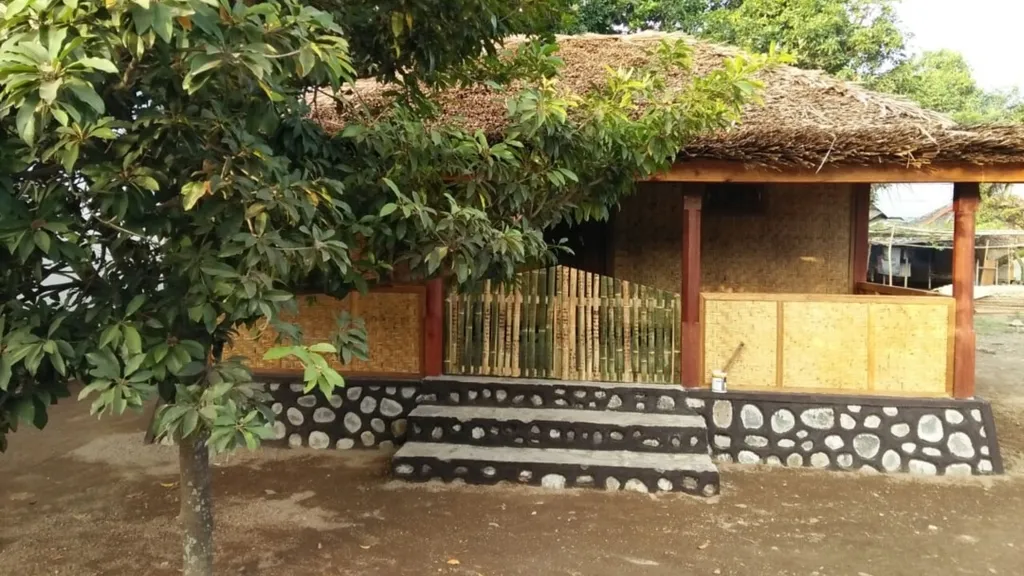
In the heart of Southeast Asia, Indonesia is grappling with a dual challenge: a persistent housing backlog and a heavy reliance on carbon-intensive construction materials. A groundbreaking study led by Roiswahid Dimas Pangestu from the Doctoral Program of Architecture at Institut Teknologi Bandung sheds light on the potential of timber as a low-carbon alternative, offering a roadmap for the housing sector’s decarbonization.
The study, published in the journal *Cleaner and Responsible Consumption* (translated as *Lifestyle and Sustainable Consumption*), quantifies the national timber demand for housing development and assesses whether the current timber supply can meet this demand. It also evaluates the viability of regional supply-demand balance models, incorporating consumer preferences—a first for Indonesia.
Pangestu and his team employed a mixed-method approach, integrating an empirical database of 389 housing layouts, an online consumer preference survey, and secondary data on housing needs and timber production. Their findings reveal that models under timber supply consistently provide reliable strategies, emphasizing the need for national regulations to maximize the absorption of currently available materials.
“The results indicate that we have the resources, but we need to optimize their use,” Pangestu said. “National regulations should focus on maximizing the absorption of currently available timber to meet housing demand.”
The study also highlights the importance of regional analysis, showing that regulations should be adapted to local conditions to optimize strategies. Sensitivity analysis confirms that these strategic insights remain robust under varying market conditions.
This research provides a policy-relevant and transferable framework to support low-carbon, timber-based housing transitions in Indonesia and comparable emerging economies. It offers a compelling narrative for the construction industry, demonstrating how integrating consumer preferences can reshape regional feasibility outcomes and drive demand for timber.
As the world grapples with climate change, this study offers a beacon of hope, showcasing how emerging economies can decarbonize their housing sectors while meeting the growing demand for affordable and sustainable housing. The commercial implications for the timber industry are significant, with potential growth opportunities in supply and processing to meet the housing sector’s needs.
Pangestu’s work is a call to action for policymakers, industry stakeholders, and consumers to embrace timber as a low-carbon construction material. By doing so, they can contribute to a more sustainable future, reducing the carbon footprint of the housing sector and mitigating the impacts of climate change.
In the words of Pangestu, “The transition to low-carbon housing is not just a possibility; it’s a necessity. And with the right policies and consumer preferences, it’s within our reach.”