
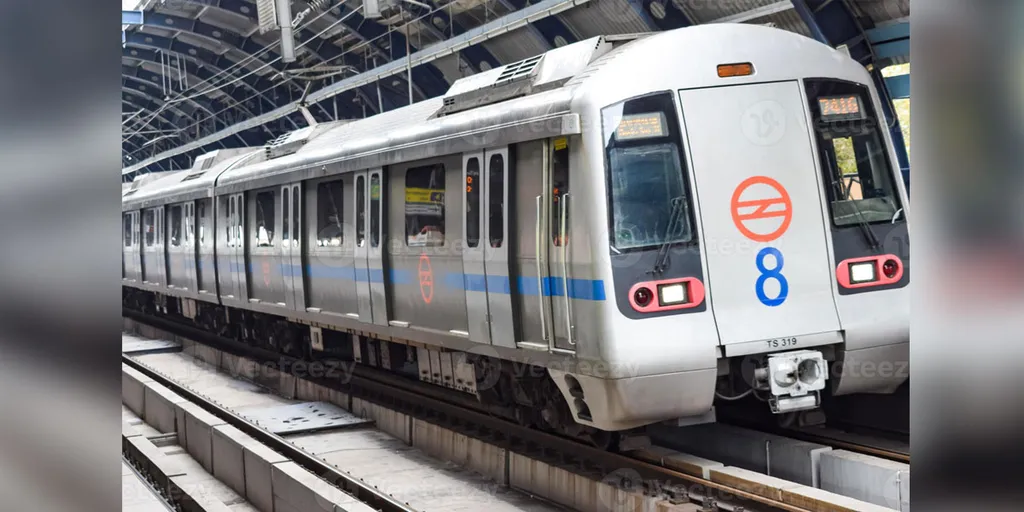
In the bustling urban landscapes of New Delhi and Chandigarh, a silent revolution is brewing, one that could redefine the way cities approach transportation and energy consumption. At the heart of this transformation is Non-Motorized Transport (NMT), and a recent study published in the journal *Transportation Research Interdisciplinary Perspectives* (which translates to “Transportation Research: An Interdisciplinary Journal”) is shedding light on the key factors that influence its adaptability.
Led by Jaskaran Singh Saini from the Department of Business Administration at Manipal University Jaipur, the research delves into the acceptability index of NMT among commuters in these two cities. The study reveals that the acceptance of NMT is highly sensitive to local demographic characteristics such as age, gender, education status, and the availability of public transport infrastructure. “The analysis shows that apart from unique demographic variables, past city governance models under successive governments also play a pivotal role in shaping commuters’ modal choices,” Saini explains.
The study employs Exploratory Factor Analysis to identify key factors in the successful implementation of NMT projects. These factors include Planning, Infrastructure, Convenience, Environment, and Attractiveness, all derived from commuter responses. Saini’s work underscores the significance of these variables, offering transport planners a roadmap to encourage voluntary and renewed emphasis on NMT among urban commuters.
For the energy sector, the implications are profound. As cities grapple with the challenges of sustainability and energy efficiency, NMT presents a viable alternative to motorized transport. By promoting NMT, cities can reduce their carbon footprint, decrease energy consumption, and mitigate the environmental impact of transportation. This shift not only aligns with global sustainability goals but also opens up new avenues for commercial opportunities in the energy sector, from renewable energy solutions to smart city technologies.
The research by Saini and his team is a call to action for urban planners, policymakers, and energy sector stakeholders. It highlights the need for a holistic approach that considers demographic factors, governance models, and commuter preferences. As cities continue to grow and evolve, the insights from this study could shape the future of urban transportation and energy consumption, paving the way for more sustainable and efficient cities.
In the words of Saini, “This study is not just about understanding the factors that influence NMT adaptability; it’s about creating a sustainable future for our cities.” And in that pursuit, the energy sector has a crucial role to play.