
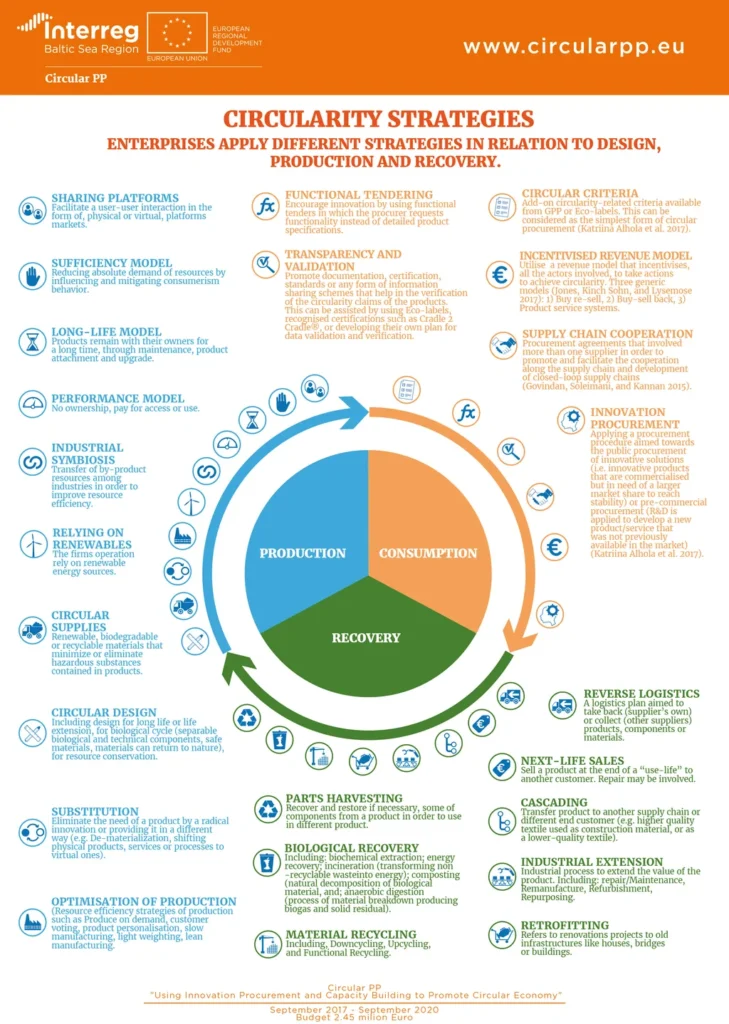
In the quest for sustainability, the construction industry is turning to circular economy principles to minimize waste and maximize resource efficiency. A recent study, published in *Cleaner Production Letters* (translated as *Letters on Cleaner Production*), sheds light on how information sharing can enable circular procurement in construction, offering insights that could reshape procurement practices and drive commercial impacts across the energy sector.
The research, led by Stephen Kelly from Salford University Business School, systematically reviews existing literature to identify the key factors that facilitate information sharing in circular procurement. Circular procurement involves sourcing materials and services that minimize waste and promote the reuse of resources, a critical strategy for reducing the environmental footprint of construction projects.
Kelly’s study highlights that effective information sharing—both within and between organizations—is essential for embedding circular economy principles into procurement processes. “Information sharing is the backbone of circular procurement,” Kelly explains. “It ensures that all stakeholders, from designers to suppliers, are aligned and working towards the same sustainability goals.”
The research categorizes barriers and enablers of information sharing across different organizational levels—micro, meso, and macro—and maps circular economy-related information and knowledge management activities against various stages of the procurement process. This comprehensive approach provides a framework that can be applied throughout the procurement lifecycle, supported by theories such as the Resource-Based View and Institutional theory.
One of the key findings is the need for better integration of empirical and theoretical research. Kelly emphasizes that future studies should explore knowledge-sharing dynamics, examine the impact of policies, and assess the role of technology and skills development in advancing circular procurement. “We need to bridge the gap between theory and practice,” Kelly says. “By doing so, we can create more effective strategies that not only reduce waste but also drive commercial value.”
The implications for the energy sector are significant. As construction projects increasingly incorporate renewable energy sources and energy-efficient materials, the principles of circular procurement can help optimize resource use and reduce costs. By fostering better information sharing, organizations can streamline their supply chains, enhance collaboration, and ultimately deliver more sustainable and cost-effective projects.
Kelly’s research offers a roadmap for the construction industry to embrace circular economy principles more effectively. By addressing the barriers to information sharing and leveraging the identified enablers, organizations can pave the way for a more sustainable future. As the industry continues to evolve, the insights from this study will be invaluable in shaping procurement practices that benefit both the environment and the bottom line.
Published in *Cleaner Production Letters*, this study provides a timely and relevant contribution to the ongoing efforts to integrate circular economy principles into construction procurement. As the industry looks towards a more sustainable future, the findings from this research will undoubtedly play a crucial role in driving progress and innovation.