
In a significant stride towards balancing economic growth and decarbonization, Saudi Arabia is strategically prioritizing carbon capture and utilization (CCU) pathways, according to a recent study published in the Journal of CO2 Utilization (Journal of Carbon Dioxide Utilization). The research, led by Naser Odeh from the King Abdullah Petroleum Studies and Research Center in Riyadh, offers a roadmap for the Kingdom to leverage its industrial base and low-cost renewables to advance impactful circular carbon solutions.
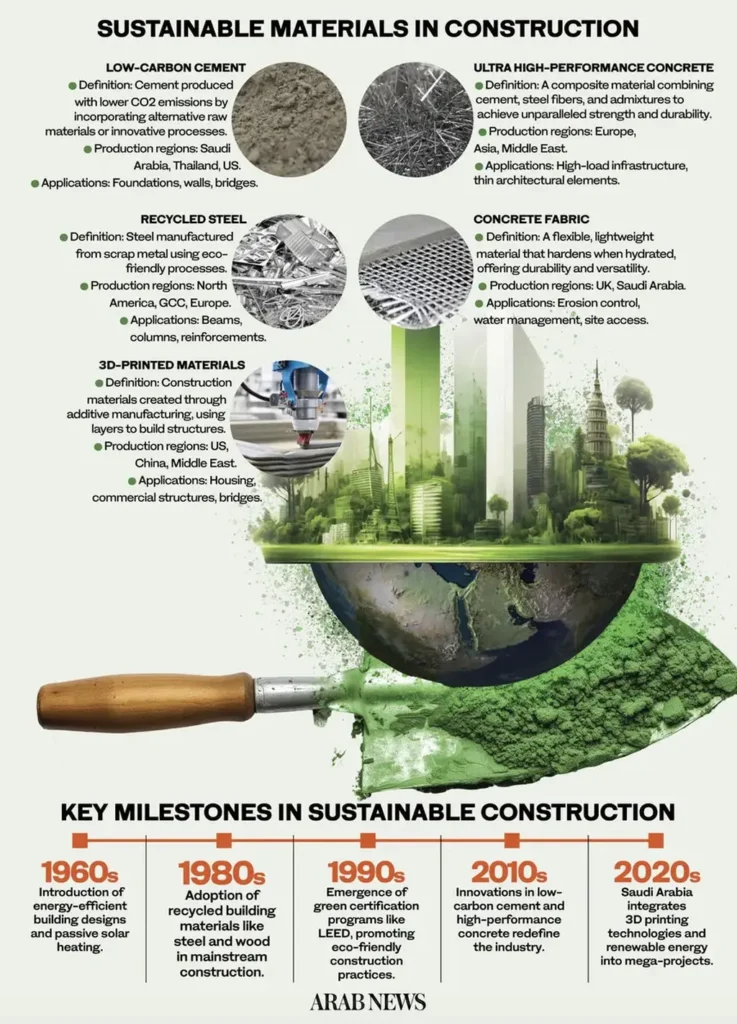
The study assesses nine different CO2 utilization pathways, ranking them based on maturity, scalability, cost, sequestration potential, and policy fit. Among these, the use of CO2 in construction materials, such as concrete curing and carbonated aggregates, emerged as the most promising option. These pathways boast a high technology readiness level (TRL 8–9), making them ready for immediate implementation.
“By retrofitting existing concrete plants, Saudi Arabia can utilize around 4.7 million tonnes of CO2 annually by 2030,” Odeh explains. “The costs for these retrofits are estimated to range from $0.5 million to $1.5 million per site, offering an economically scalable solution for permanent CO2 sequestration.”
The research also highlights the potential of CO2-derived fuels, such as synthetic methane and sustainable aviation fuels, for long-term decarbonization. However, these pathways face challenges like high energy demand, infrastructure needs, and significant abatement costs ranging from $430 to $650 per tonne of CO2.
Chemical conversion routes, including formic acid, dimethyl carbonate (DMC), polyols, and cyclic carbonates, were found to have moderate maturity (TRL 4–6). While aligned with Saudi Vision 2030, their high costs and carbon leakage risks limit their short-term viability. Algae-based utilization, although promising with up to 2 tonnes of CO2 sequestered per tonne of biomass, remains in the early stages of development.
This study underscores Saudi Arabia’s potential to lead regionally in CCU by capitalizing on its industrial base, low-cost renewables, and policy momentum. As the world grapples with the dual challenge of economic growth and decarbonization, the insights from this research could shape future developments in the energy sector, offering a blueprint for other nations to follow.
The full study, titled “Strategic prioritization of carbon capture and utilization pathways for Saudi Arabia’s circular carbon economy,” provides a comprehensive analysis of the various CCU pathways and their potential impact on the Kingdom’s circular carbon economy. As the energy sector continues to evolve, the findings from this research could play a pivotal role in driving sustainable and economically viable solutions.