
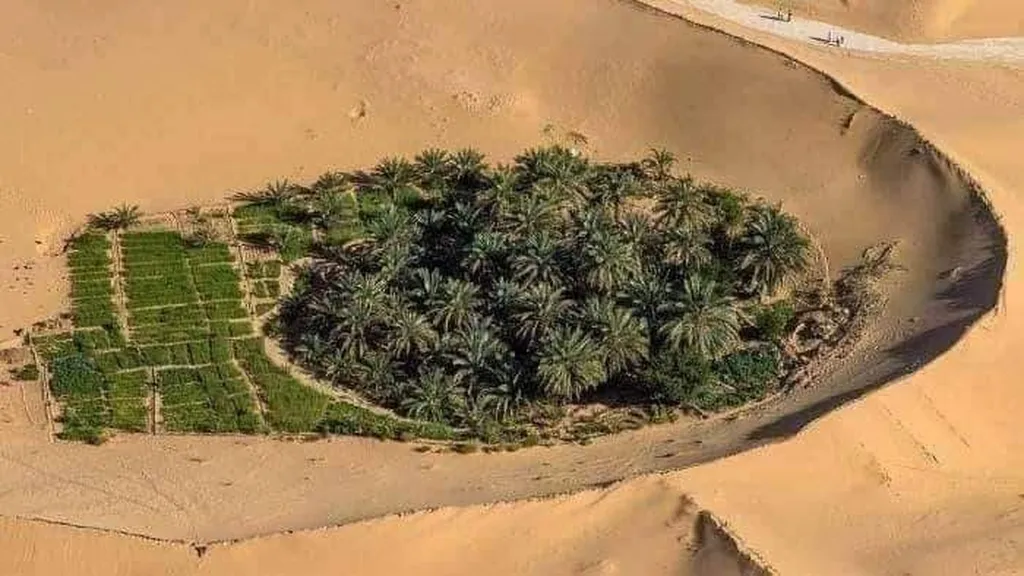
In the heart of Guelma, Algeria, researchers are turning desert sand and waste materials into a promising solution for sustainable construction, particularly in the energy sector. Fatima Zohra Benamara, a civil and hydraulic engineering expert from 8 May 1945 Guelma University, has led a groundbreaking study published in *Scientific Reports* (translated from French), focusing on enhancing dune sand (DS) with rubber crumb (RC) and brick powder (BP). This innovative approach not only stabilizes weak soils but also valorizes waste, offering a dual benefit for the environment and infrastructure development.
The research addresses a critical need in the construction industry: the efficient and sustainable use of local and recycled resources. Dune sand, abundant yet geotechnically weak, has been transformed through the integration of rubber crumb and brick powder. “We aimed to improve the geotechnical properties of dune sand while simultaneously addressing waste management issues,” Benamara explains. The experimental formulations included varying concentrations of RC (10%, 30%, and 50%) and BP (1%, 2%, and 3%), with the goal of enhancing soil stability and compaction.
The study employed advanced techniques such as Response Surface Methodology (RSM) and Artificial Neural Network (ANN) to analyze the effects of RC and BP on maximum dry density (MDD), internal friction angle (ϕ), and cohesion (C). The results were striking. Optimal conditions were achieved with 40.7% RC and 3% BP, significantly improving the compaction and shear strength of the soil. This breakthrough could revolutionize the construction of embankments and other geotechnical structures, particularly in arid regions where dune sand is prevalent.
The environmental implications are equally compelling. While a high content of rubber crumb increases energy consumption and greenhouse gas emissions due to the recycling process, the reduction in sand mining and the diversion of tire waste balance these effects. “The combination of rubber crumb with brick powder offers a sustainable solution that benefits both the environment and the construction industry,” Benamara notes.
The commercial impacts for the energy sector are substantial. As the demand for renewable energy infrastructure grows, the need for stable and sustainable construction materials becomes ever more critical. The use of enhanced dune sand could reduce the reliance on traditional materials, lowering costs and environmental impact. This research not only paves the way for more sustainable construction practices but also highlights the potential for waste materials to be repurposed in innovative ways.
Looking ahead, the findings could shape future developments in geotechnical engineering, particularly in regions with abundant dune sand and limited access to conventional construction materials. The integration of advanced optimization techniques like RSM and ANN-GA (Genetic Algorithm) further underscores the potential for data-driven solutions in the field. As Benamara and her team continue to explore these possibilities, the construction industry stands to benefit from more efficient, sustainable, and cost-effective materials.
In the quest for sustainable infrastructure, this research offers a beacon of hope, demonstrating that innovation and environmental responsibility can go hand in hand. The journey from dune sand to stable embankments is not just a scientific achievement but a testament to the power of human ingenuity in addressing global challenges.