
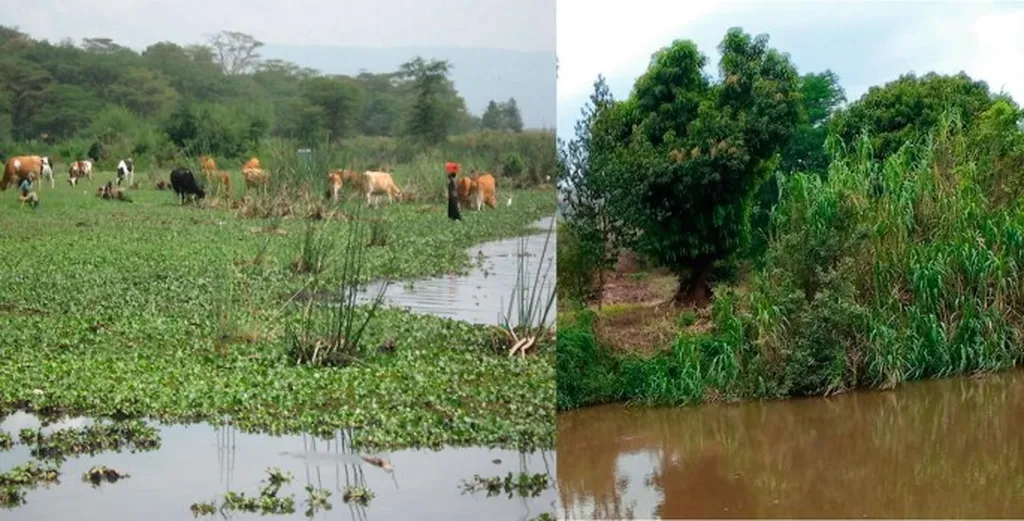
In the heart of Africa’s urban expansion, a silent crisis is unfolding. Wetlands, the unsung heroes of urban ecosystems, are disappearing at an alarming rate, threatening the sustainability of some of the continent’s fastest-growing cities. A recent study published in the *Journal of Sustainability* (translated from Swedish as “Journal of Sustainability”) sheds light on this pressing issue, offering a stark warning and a glimmer of hope.
Dr. Kwaku Karikari Manu, a researcher from the Department of Geography and the Environment at The University of Alabama, Tuscaloosa, USA, led the study that examined the rate of wetland depletion in three major African cities: Dar es Salaam, Accra, and Lagos. Using satellite imagery from the year 2000 to 2024, the research revealed a disturbing trend. “The rate of wetlands coverage in Dar es Salaam dropped from 11% in 2004 to 6% in 2024, while the coverage of built-up/developed areas rose from 18% to 67%,” Dr. Manu explained. Similar trends were observed in Accra and Lagos, painting a grim picture of urban growth at the expense of vital ecosystems.
The implications of this wetland destruction are far-reaching, particularly for the energy sector. Wetlands act as natural water filters, reducing the cost of water treatment and infrastructure maintenance. They also serve as carbon sinks, mitigating the effects of climate change, which can lead to significant savings in energy consumption and associated costs. “The loss of wetlands not only disrupts the ecological balance but also has substantial economic repercussions,” Dr. Manu noted. “The energy sector, in particular, stands to face increased operational costs and reduced efficiency due to the degradation of these critical ecosystems.”
The study highlights the urgent need for innovative and proven approaches to protect and preserve wetlands in Sub-Saharan Africa. Dr. Manu recommends strategies such as conservation easements, purchase of development rights (PDR), transfer of development rights (TDR), and urban growth boundaries (UGB). These methods, combined with public awareness campaigns, could help stem the tide of wetland destruction and pave the way for sustainable urban development.
The research by Dr. Manu and his team serves as a wake-up call for policymakers, urban planners, and industry leaders. It underscores the importance of integrating natural ecosystems into urban planning and highlights the economic benefits of preserving wetlands. As Africa continues to urbanize, the lessons from this study could shape future developments, ensuring that cities grow in harmony with their natural surroundings. The findings, published in the *Journal of Sustainability*, offer a roadmap for creating sustainable urban futures in Sub-Saharan Africa and beyond.