
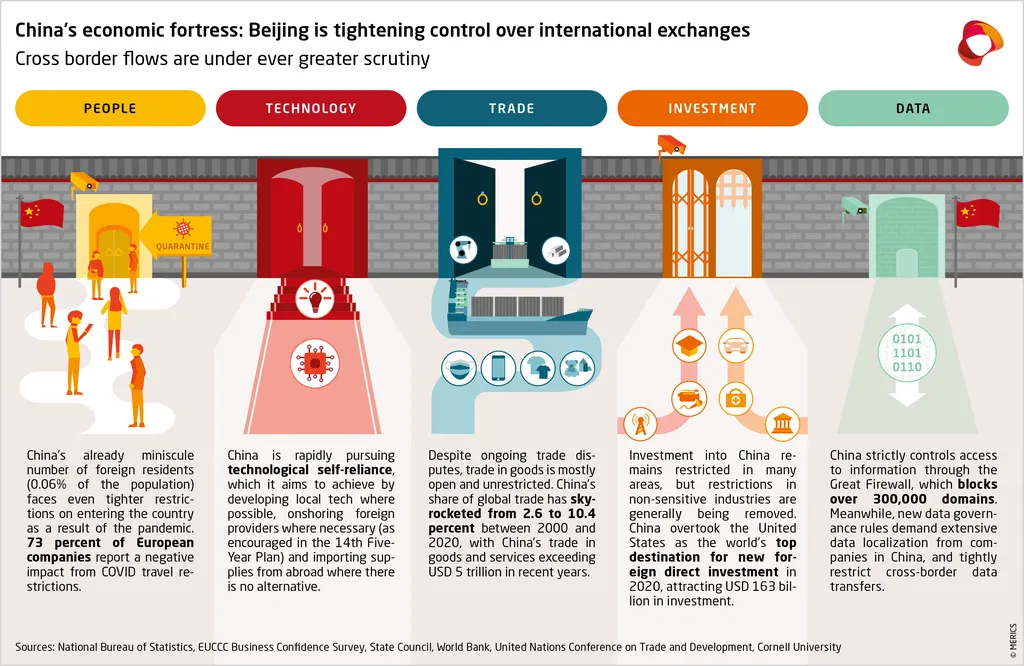
China’s global investment landscape in 2025 presents a nuanced picture, revealing both resilience and shifting priorities. While the country’s outbound investment has steadied after a sluggish start to the year, the impact of these investments has been notably subdued compared to previous peaks. Brazil emerged as the top recipient of Chinese investment, with transport and metals sectors leading the charge, closely followed by energy. Meanwhile, Saudi Arabia witnessed the most construction activity, with energy again dominating the sector. According to China’s Ministry of Commerce, annual investment is flirting with historical records, yet the global ripple effects of these investments have been minimal, a stark contrast to the headlines and policy shifts sparked by the 2016 investment surge.
The decline in the quality of research on China’s international economic activity is a growing concern. The proliferation of AI-generated content has exacerbated the spread of inaccurate information, with many researchers scraping the internet for data that often lacks credibility. Local officials’ tendency to boast about large deals that may never materialize further complicates the issue. The China Global Investment Tracker (CGIT), however, stands out as a reliable source, relying on corporate disclosures to verify transactions. With over 4,900 transactions documented from 2005 through 2025, the CGIT provides a comprehensive record of China’s investment and construction activities globally.
The CGIT’s data reveals a significant drop in large deals in 2020, attributed to COVID-19 and zero-COVID restrictions, which also led to reduced transparency among Chinese firms. While verifiable investment rebounded in 2023 and construction in 2024, 2025 saw a 4% slip in investment, though the trend indicated more investments being fulfilled. China’s Ministry of Commerce, however, paints a different picture, claiming a 40% rise in outbound investment in 2024 over 2019, with a 12% gain in 2020. The discrepancy highlights the challenges in accurately tracking and reporting China’s global economic activities.
The Belt and Road Initiative (BRI) remains a focal point, with 143 member countries. However, the CGIT data shows that the BRI is primarily composed of projects not owned by China, with construction and engineering projects valued at $687 billion and investment at $468 billion over the BRI’s 12 years. The initiative’s role is intertwined with the broader trend of rich countries absorbing larger amounts of Chinese investment, albeit with growing distrust of China’s intentions.
The U.S. has seen a significant decline in Chinese investment, with total PRC investment (excluding bonds) in 2020–25 amounting to $16.6 billion, a stark contrast to the annual surpasses of this total from 2014–17. The U.S. economic policy towards China has been criticized as a failure, with both the Trump and Biden administrations facing scrutiny over their approaches to Chinese technological capabilities and supply-chain vulnerabilities.
The CGIT’s rigorous methodology ensures the accuracy of its data, relying on corporate disclosures and official documentation. However, it acknowledges its limitations, such as excluding transactions smaller than $95 million, which can underestimate genuine investment, especially during down periods. Despite these challenges, the CGIT remains a vital tool for understanding China’s global economic footprint, providing a clearer picture amidst the noise of AI-generated misinformation.
As China continues to navigate the complexities of global investment, the interplay between economic strategies, technological advancements, and geopolitical dynamics will shape the future of its outbound investments. The sector must grapple with the implications of these trends, balancing economic growth with the need for transparency and sustainability in an increasingly interconnected world.