
In the heart of Italy, a quiet revolution is taking place, one that could reshape the way we think about materials, design, and sustainability. At the forefront of this movement is Nicolò Di Prima, a researcher from Politecnico di Torino, who is leading the Circular Design for Natural Fibers (CD4NF) project. This initiative is not just about creating new products; it’s about reimagining the entire lifecycle of materials, with a particular focus on natural fibers derived from Italy’s rich agroindustrial system.
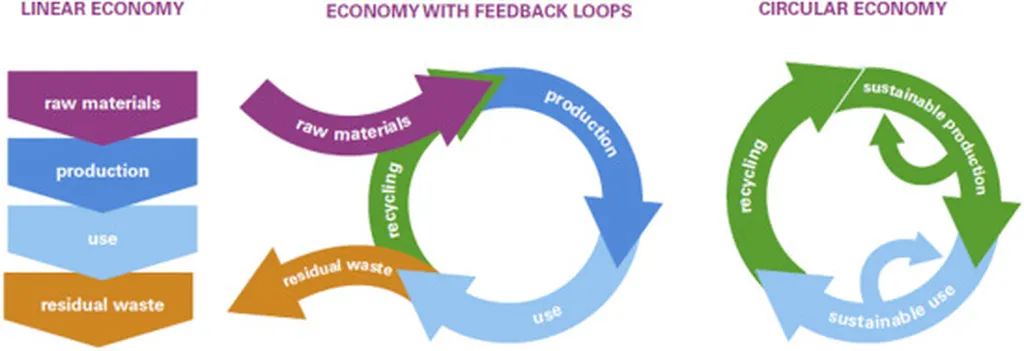
The CD4NF project is a beacon of innovation in the furniture, textile, and construction sectors, promoting a transition towards Circular Economy practices. Di Prima and his team are exploring how the development of new bio-based materials—rooted in sustainability principles and aligned with Circular Economy and Circular Design approaches—can drive significant change. “We’re not just talking about recycling,” Di Prima explains. “We’re talking about a fundamental shift in how we source, design, and utilize materials. It’s a dynamic area of debate that challenges us to think critically about technologies, contexts, and development paths.”
One of the most compelling aspects of the CD4NF project is its application of systemic design to the cases of bamboo and hemp. These natural fibers are not just materials; they are symbols of a deeper connection between local supply chains and their territories. Di Prima emphasizes that these territories are not merely productive ecosystems but also expressions of cultural heritage. “By integrating contributions from various disciplines, we can enhance the value of Made in Italy design,” he says. “This is about creating a sustainable future that respects both the environment and our cultural legacy.”
The implications for the energy sector are profound. As the world seeks to reduce its reliance on fossil fuels and move towards renewable energy sources, the development of bio-based materials could play a crucial role. These materials can be used in everything from insulation to construction, offering sustainable alternatives that are both eco-friendly and economically viable.
The CD4NF project, published in the Design Issues in Industrial Design (DIID), is a testament to the power of interdisciplinary collaboration. By bringing together experts from different fields, Di Prima and his team are not only advancing the science of materials but also shaping the future of design. As the world grapples with the challenges of climate change and resource depletion, projects like CD4NF offer a glimmer of hope, demonstrating that a sustainable future is not only possible but also within reach.
In the end, the CD4NF project is more than just a research initiative; it’s a call to action. It challenges us to think differently about the materials we use and the impact they have on the world around us. As Di Prima puts it, “This is about creating a sustainable future that respects both the environment and our cultural legacy.” And in doing so, it paves the way for a new era of design and innovation, one that is rooted in sustainability, driven by technology, and enriched by cultural heritage.