
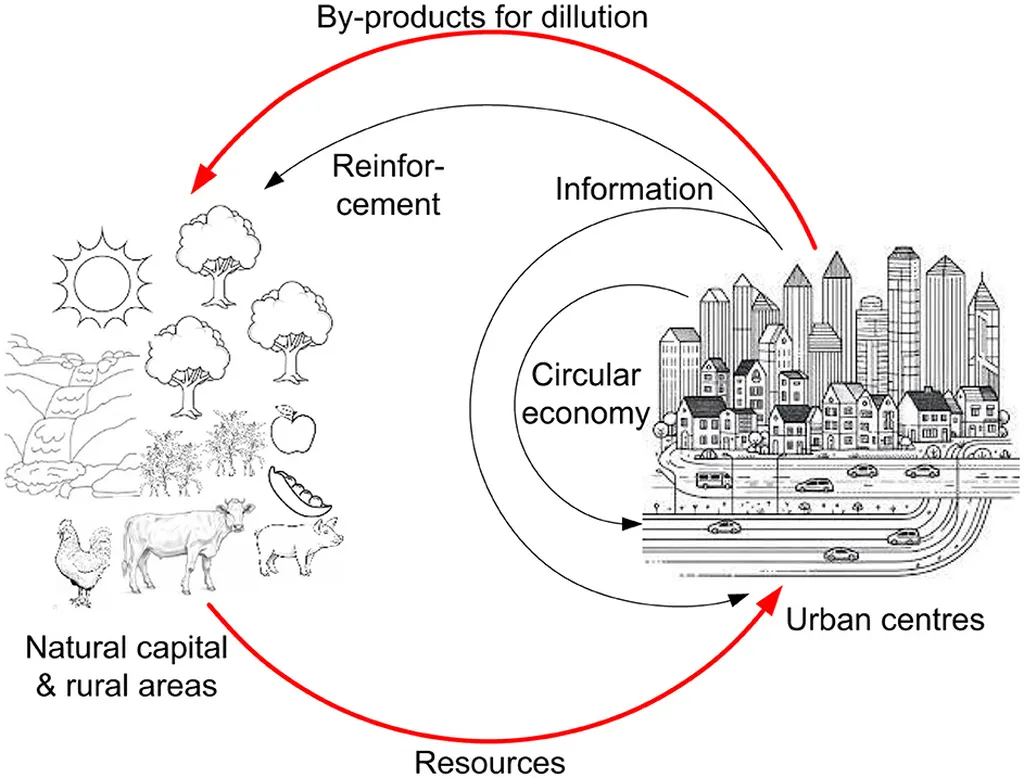
The construction industry is at a crossroads, where the demands of urbanization, sustainability, and technological innovation are converging to redefine the way we build. The latest market report on new urbanization construction reveals a sector in rapid transformation, with significant implications for how cities will evolve in the coming years.
A Market in Motion
The global new urbanization construction market is projected to surge from $2.77 trillion in 2025 to $3.01 trillion in 2026, representing an 8.7% compound annual growth rate (CAGR). This momentum is expected to continue, with the market reaching $4.17 trillion by 2030, growing at an 8.5% CAGR. These figures underscore a fundamental shift in how urban spaces are being conceived and constructed, driven by a confluence of factors including urban development initiatives, green construction practices, smart city solutions, and the integration of advanced technologies.
North America currently leads the market, but the Asia-Pacific region is poised for rapid growth. This dynamic reflects the global nature of urbanization, where emerging economies are expanding infrastructure at an unprecedented pace. The report highlights that key drivers of this growth include the increasing use of prefabricated components, the adoption of AI and IoT in construction, and the development of modular and sustainable building solutions.
Sustainability as a Cornerstone
Sustainability is no longer a buzzword but a foundational element of modern construction. The report emphasizes the growing importance of green and energy-efficient construction, as well as the adoption of eco-friendly materials and methods. Companies like Holcim are leading the charge with innovations such as ECOCycle, a circular platform that recycles construction waste into new materials. This not only reduces reliance on virgin resources but also supports the broader goals of low-carbon, resource-efficient urbanization.
The integration of digital twin technology and AI-driven planning is further enhancing sustainability efforts. These technologies enable real-time monitoring and predictive analytics, allowing for more efficient use of resources and reduced environmental impact. The report also notes the rise of smart building materials, which are designed to be more durable, energy-efficient, and environmentally friendly.
Government Initiatives and Public Investment
Government infrastructure spending is a significant growth factor in the new urbanization construction market. In July 2025, the UK’s Office for National Statistics reported a 16.9% increase in infrastructure investment, reaching £20.3 billion. This surge in funding is intended to boost economic growth and enhance public assets, supporting urbanization by financing essential facilities such as transportation, energy, water supply, and telecommunications.
Similar initiatives are being implemented worldwide, with governments recognizing the need for sustainable and resilient infrastructure. These investments are not only driving market growth but also fostering innovation in construction practices and materials.
Strategic Moves and Market Players
The market landscape is shaped by strategic acquisitions and partnerships. For example, Conmat Group’s acquisition of KYB-Conmat in March 2025 aimed to enhance growth through full company control and investment in construction equipment innovation. Such moves highlight the industry’s focus on adapting to shifts in trade relations and tariffs, which impact costs for key materials but also drive local production and innovation.
Key players in the market include China State Construction Engineering Corporation Ltd., China Railway Group Limited, and Power Construction Corporation of China, among others. These companies are at the forefront of developing innovative solutions to improve sustainability and efficiency in construction. Their global footprint underscores the interconnected nature of the industry, where advancements in one region can have ripple effects worldwide.
Challenges and Opportunities
While the market presents significant opportunities, it also faces challenges. The integration of new technologies and sustainable practices requires substantial investment and expertise. Companies must navigate regulatory frameworks, supply chain disruptions, and the need for skilled labor. However, these challenges also create opportunities for innovation and collaboration.
The report covers a broad range of markets, including materials, services, and technology, as well as construction types such as new construction, renovation, and retrofit. It also delves into various infrastructure sectors, including roads and highways, railways, airports and seaports, and utility infrastructure. The applications span residential, commercial, industrial, and infrastructure projects, catering to diverse end-users such as government, private sector, and public-private partnerships.
A Human-Centric Approach
As the construction industry evolves, it is crucial to remember that urbanization is ultimately about people. The way we build our cities will determine the quality of life for millions. The integration of smart city solutions, sustainable practices, and advanced technologies must be balanced with a human-centric approach. This means creating cities that are not only efficient and environmentally friendly but also inclusive, accessible, and livable.
The new urbanization construction market is more than just a financial projection; it is a blueprint for the future of