
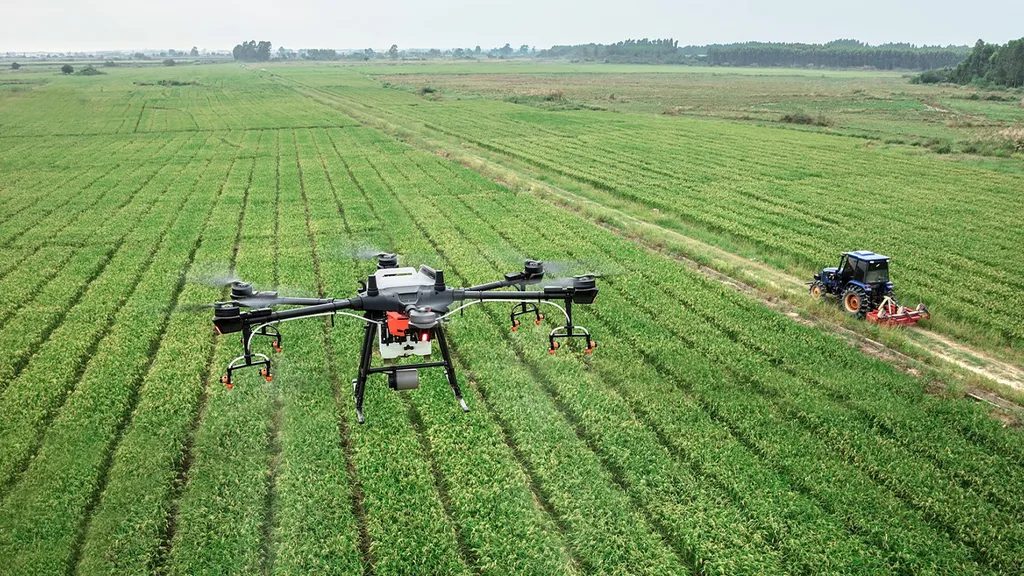
In the heart of Rwanda’s capital, Kigali, a quiet revolution is taking root, one that could reshape the future of agriculture across Africa. A recent study led by David Mihigo of Beihang University, published in the African Journal on Land Policy and Geospatial Sciences (translated as “African Journal on Land Policy and Geospatial Sciences”), explores how digital agriculture technologies, particularly those powered by Global Navigation Satellite Systems (GNSS), are bridging the gap between rural smallholder farmers and modern markets. This research not only highlights the transformative potential of these technologies but also underscores the critical role of private sector engagement in driving agricultural innovation.
Agriculture is the backbone of many African economies, yet rural smallholder farmers often struggle to access modern markets. Their produce frequently goes unsold or delayed due to limited market connections, inadequate infrastructure, and a lack of technological integration. As urbanization rapidly transforms peri-urban and rural landscapes, the intersection of agricultural productivity, food security, and urban planning becomes increasingly critical. The encroachment of urban arable land due to urban sprawl further exacerbates these issues, threatening both rural livelihoods and food security in cities.
Mihigo’s study investigates how digital agriculture technologies can serve as a bridge to connect smallholder farmers in rural areas to modern markets. By enhancing access to buyers, optimizing agricultural practices, and facilitating real-time data sharing, these digital tools offer a pathway to elevate smallholder productivity and economic outcomes. The research focuses on insights drawn from Kigali City, Rwanda, a country actively pursuing smart agriculture solutions.
The findings reveal a strong consensus among participants on the transformative potential of digital agriculture. An overwhelming majority (97%) of smallholder farmers affirmed that the use of digital technologies such as satellite-based mapping, weather forecasting tools, mobile-based agricultural extension services, and online market platforms could significantly enhance their farming efficiency and market access. Farmers reported that such tools allowed them to shift from labor-intensive practices to more informed, strategic decision-making in crop cultivation and sales.
“These innovations not only support better resource management and yield forecasting but also play a crucial role in linking rural producers with urban consumers and international markets,” said an agronomist interviewed for the study. The ability to showcase available harvests, quantities, and locations in real time can dramatically improve the visibility of smallholder produce, reduce post-harvest losses, and stimulate private investment in rural agriculture.
The study also explores the implications of urbanization for agricultural land use and food supply chains. As cities like Kigali continue to expand, the encroachment on agricultural zones raises concerns about long-term food security and rural economic displacement. However, digital agriculture presents an opportunity to mitigate these risks by enabling farmers to intensify production on existing land, reduce inefficiencies, and tap into broader markets without the need for physical proximity.
Based on the research findings, the study proposes the development and implementation of a District Agricultural Harvest Information System (DAHIS). This system would act as a centralized digital platform for displaying real-time data on agricultural produce types, quantities, and geographic locations available for purchase. By leveraging GNSS and mobile technologies, DAHIS would allow buyers to locate and procure crops both locally and internationally, thereby expanding market reach for rural farmers. Moreover, this platform would reduce the instances of surplus produce going to waste due to a lack of buyer awareness or logistical coordination.
The study underscores that digital agriculture, supported by GNSS technologies and robust private sector partnerships, holds significant promise in addressing the persistent disconnect between rural farmers and modern markets in Africa. When effectively implemented, these tools can promote sustainable food production, empower smallholder farmers, and strengthen food systems across both rural and urban settings.
To maximize impact, these efforts must be integrated into broader policy frameworks that support infrastructure development, digital literacy, and institutional collaboration between governments, private investors, and farmer cooperatives. Recommendations include establishing DAHIS at district levels to aggregate and disseminate harvest data, encouraging public-private partnerships to fund digital agriculture initiatives, training smallholder farmers in the use of digital tools to ensure adoption and effectiveness, and integrating digital agriculture platforms into national urban and regional development plans to ensure coordinated growth that preserves agricultural productivity.
By bridging the digital divide and connecting rural farmers with viable markets, African countries can unlock the full potential of their agricultural sectors and drive inclusive economic growth. This research not only sheds light on the current state of digital agriculture in Rwanda but also provides a roadmap for other African nations to follow, potentially revolutionizing the continent’s agricultural landscape and ensuring food security for future generations.