
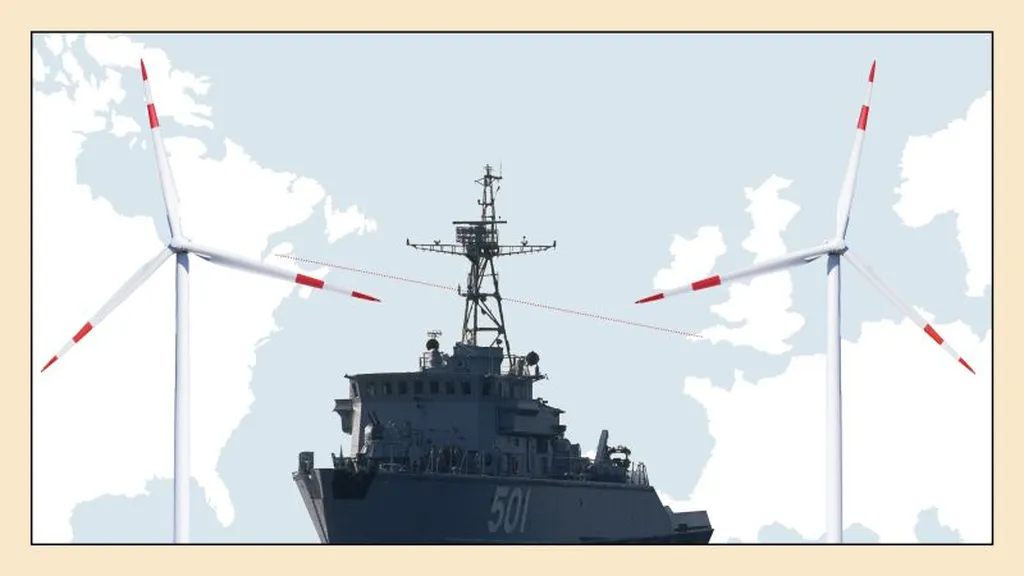
In the vast, interconnected web of global communications, a silent yet critical infrastructure lies beneath the waves: international submarine cables. These undersea highways carry the bulk of the world’s internet traffic, yet their policy landscape has remained largely unexplored—until now. A recent study published in *Guangtongxin yanjiu* (translated as “Communication Research”) sheds light on the evolving policy trends surrounding these vital cables, offering insights that could reshape the future of global connectivity and the energy sector’s commercial interests.
Led by ZHAO Li, the research systematically reviews the regulatory and developmental policies of major countries and regions, highlighting how these changes impact the construction and maintenance of submarine cables. “The demand for submarine cable construction has surged, but so have the associated security risks,” ZHAO Li notes. “Understanding these policy trends is crucial for fostering international cooperation and ensuring the resilience of this global infrastructure.”
The study reveals that as nations grapple with cybersecurity concerns and strategic interests, policies are shifting to reflect these priorities. For instance, some countries are imposing stricter regulations on foreign involvement in cable projects, while others are investing heavily in domestic production to reduce reliance on foreign technology. These changes could significantly impact the energy sector, which increasingly relies on submarine cables for data-intensive operations such as remote monitoring and smart grid management.
“The energy sector is particularly vulnerable to disruptions in submarine cable infrastructure,” ZHAO Li explains. “Any policy that affects the reliability or security of these cables could have cascading effects on energy markets and global supply chains.”
The research also underscores the importance of international cooperation in maintaining and expanding submarine cable networks. As ZHAO Li points out, “Collaboration is key to addressing the challenges posed by policy fragmentation and ensuring that submarine cables remain a stable and secure backbone for global communications.”
For the energy sector, this means staying ahead of policy trends and adapting to new regulatory environments. Companies involved in offshore energy projects, for example, may need to reevaluate their strategies in light of evolving submarine cable policies. The study suggests that proactive engagement with policymakers and industry stakeholders could help mitigate risks and capitalize on emerging opportunities.
As the world becomes increasingly interconnected, the role of submarine cables in supporting global communications and energy infrastructure cannot be overstated. ZHAO Li’s research serves as a timely reminder of the need for vigilance and adaptability in the face of changing policy landscapes. By understanding these trends, stakeholders in the energy sector can better navigate the complexities of submarine cable policy and ensure the continued reliability of this critical infrastructure.
Published in *Guangtongxin yanjiu*, the study offers a comprehensive overview of the current state of submarine cable policies and their implications for global connectivity. As the world moves toward a more digital and interconnected future, the insights provided by ZHAO Li’s research will be invaluable for policymakers, industry leaders, and energy sector professionals alike.