
In the ever-evolving landscape of cancer therapy, a groundbreaking study led by Qicheng Li from the School of Stomatology at Lanzhou University in China is making waves. Published in the journal *Biofunctional Materials* (which translates to *Biomedical Materials* in English), the research delves into the promising potential of chiral materials in revolutionizing cancer treatment. These materials, which exhibit a property known as chirality—their non-superimposability on their mirror image—are emerging as powerful tools in the fight against cancer, offering precision and efficacy that could redefine the field.
Chiral materials are not new to the scientific community, but their application in cancer therapy is gaining significant traction. These nanomaterials are celebrated for their high specificity, biocompatibility, and minimal cytotoxicity, making them ideal candidates for targeting tumor cells with remarkable precision. “The tunability of their surface structures allows us to control their chirality, enabling us to develop advanced biomaterials that can target tumor metabolism, induce apoptosis, and modulate immune responses,” explains Li. This precision is crucial in minimizing damage to healthy cells, a common challenge in traditional cancer treatments.
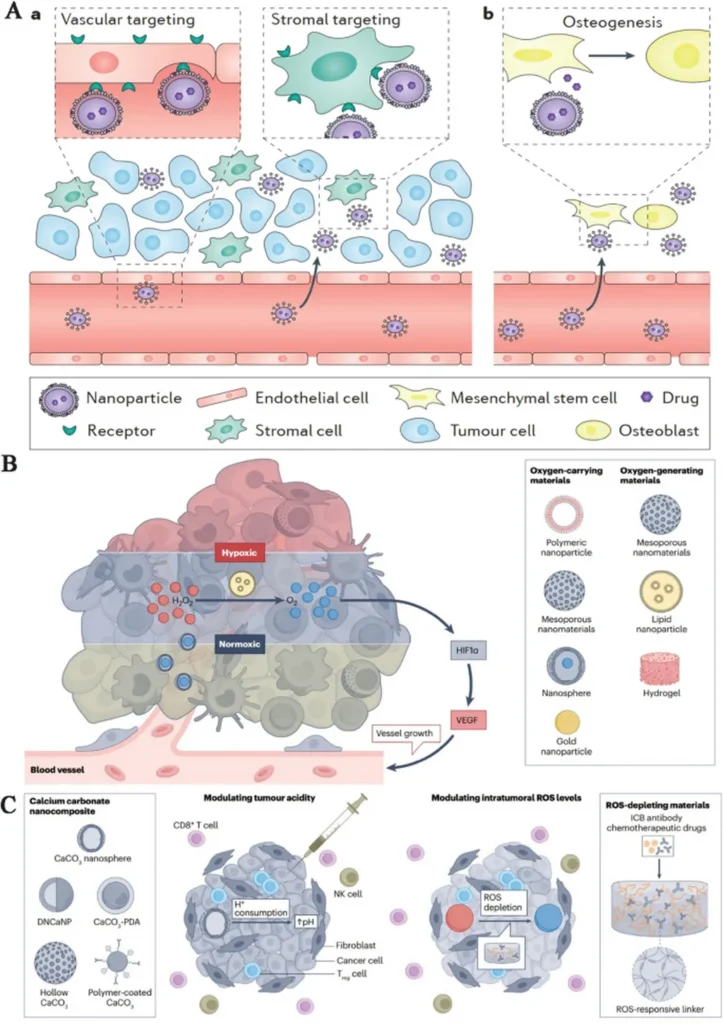
The study highlights several key areas where chiral materials are making an impact. One of the most promising applications is in tumor-targeted therapies. By leveraging the unique properties of chiral nanomaterials, researchers can design treatments that specifically target cancer cells, sparing healthy tissue. This targeted approach not only improves the efficacy of the therapy but also reduces the severe side effects often associated with conventional treatments.
Another significant area of focus is the modulation of cell metabolism. Cancer cells often exhibit altered metabolic pathways, which chiral materials can disrupt, effectively starving the tumor of the resources it needs to grow and spread. “By intervening in these metabolic pathways, we can create a more hostile environment for the tumor, making it more susceptible to other forms of treatment,” Li notes.
The study also explores the potential of chiral materials in inducing apoptosis, or programmed cell death. This is a critical process in maintaining the health of an organism, and its disruption is a hallmark of cancer. By promoting apoptosis in cancer cells, chiral materials can help eliminate tumors more effectively.
In addition to these applications, the research delves into the immunomodulatory effects of chiral materials. The immune system plays a pivotal role in cancer surveillance and treatment. By modulating immune responses, chiral materials can enhance the body’s natural ability to fight cancer, potentially leading to more effective and long-lasting treatments.
The commercial implications of this research are substantial. As the demand for more precise and effective cancer therapies grows, chiral materials could become a cornerstone of future treatments. The energy sector, in particular, could benefit from the development of these advanced biomaterials, as they could lead to more efficient and targeted drug delivery systems, reducing the need for high-energy treatments like radiation and chemotherapy.
However, the journey is not without its challenges. The study also examines the opportunities and hurdles associated with employing chiral materials in oncology. “While the potential is immense, there are still many questions to be answered and challenges to overcome,” Li acknowledges. These include optimizing the synthesis and characterization of chiral materials, ensuring their stability and biocompatibility, and developing scalable production methods.
Despite these challenges, the future of chiral materials in cancer therapy looks promising. As research continues to unravel the complexities of these materials, their applications in oncology are expected to expand, offering new hope for patients and revolutionizing the field of cancer treatment. The study published in *Biofunctional Materials* serves as a testament to the innovative spirit driving this research, paving the way for a future where cancer is met with precision, efficacy, and hope.