
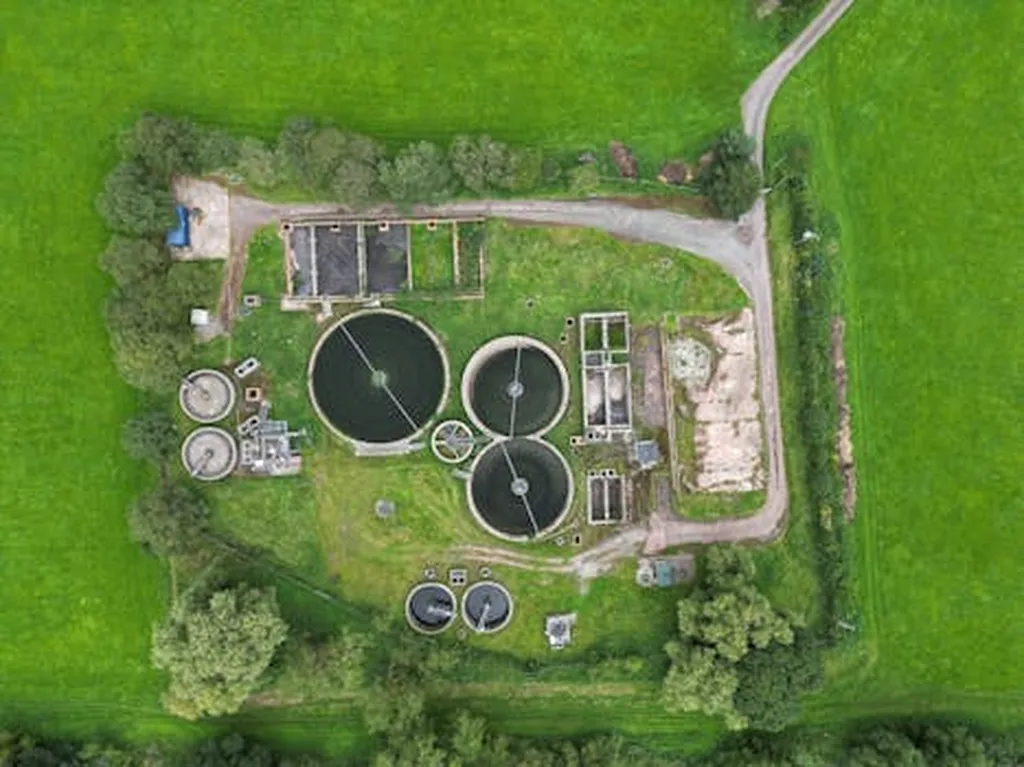
In the quest for cleaner water and more efficient wastewater treatment, a groundbreaking study has emerged that could reshape the way we approach domestic wastewater management. Published in the *Wasit Journal of Engineering Sciences* (translated as the *Wasit Journal of Engineering Sciences*), this research delves into the efficacy of electrocoagulation (EC) technology, offering promising insights for the energy and construction sectors.
Roua S. Sahip, the lead author of the study, investigated how various operational parameters influence the removal of pollutants from domestic wastewater using electrocoagulation. The findings are nothing short of compelling. By optimizing conditions such as electrode spacing, flow rate, NH₄Cl concentration, applied voltage, and hydraulic retention time, Sahip achieved remarkable pollutant removal efficiencies. “Under optimal conditions, we observed removal efficiencies of up to 85% for total suspended solids (TSS) and 84% for chemical oxygen demand (COD),” Sahip explained. These results highlight the potential of electrocoagulation as a robust and reliable method for wastewater treatment.
The study’s significance extends beyond environmental benefits. For the energy sector, efficient wastewater treatment translates to reduced operational costs and improved sustainability. Electrocoagulation’s ability to handle high pollutant loads with minimal energy consumption makes it an attractive option for industrial applications. “The process is not only effective but also energy-efficient, which is crucial for industries looking to minimize their environmental footprint,” Sahip noted.
The research also sheds light on the importance of optimizing operational parameters. For instance, the study found that electrode spacing of 1 cm, a flow rate of 0.05 L/min, and a hydraulic retention time of 45 minutes yielded the best results. Conversely, non-ideal conditions led to a significant drop in removal efficiency, underscoring the need for precise control and monitoring.
As the construction industry continues to grapple with the challenges of wastewater management, this study offers a glimmer of hope. The findings suggest that electrocoagulation could be integrated into existing wastewater treatment plants, enhancing their overall performance and efficiency. “This technology has the potential to revolutionize the way we treat wastewater, making it a more sustainable and cost-effective process,” Sahip concluded.
The implications of this research are far-reaching. By providing a deeper understanding of electrocoagulation’s capabilities, Sahip’s study paves the way for future developments in wastewater treatment. As industries strive for greater sustainability and efficiency, electrocoagulation could emerge as a key player in the quest for cleaner water and a healthier environment.
In a world where water scarcity and pollution are pressing concerns, this research offers a beacon of hope. By harnessing the power of electrocoagulation, we can take significant strides towards a more sustainable future. The study published in the *Wasit Journal of Engineering Sciences* serves as a testament to the potential of innovative technologies in addressing some of our most pressing environmental challenges.