
In the quest to improve indoor environments and student well-being, a groundbreaking study led by Azimil Gani Alam from the Norwegian University of Science and Technology (NTNU) and the Norwegian Institute for Air Research (NILU) has harnessed the power of machine learning to predict building-related symptoms (BRS) in schools. The research, published in the journal *Indoor Environments* (translated from Norwegian as *Indoor Miljøer*), offers promising insights for the energy sector and beyond.
Building-related symptoms, such as headaches, tiredness, cough, and dry eyes or hands, are common among students and can significantly impact academic performance and health. Surprisingly, even when indoor environment quality (IEQ) measurements indicate fair conditions, students often report discomfort. This discrepancy underscores the importance of collecting user feedback regarding IEQ complaints.
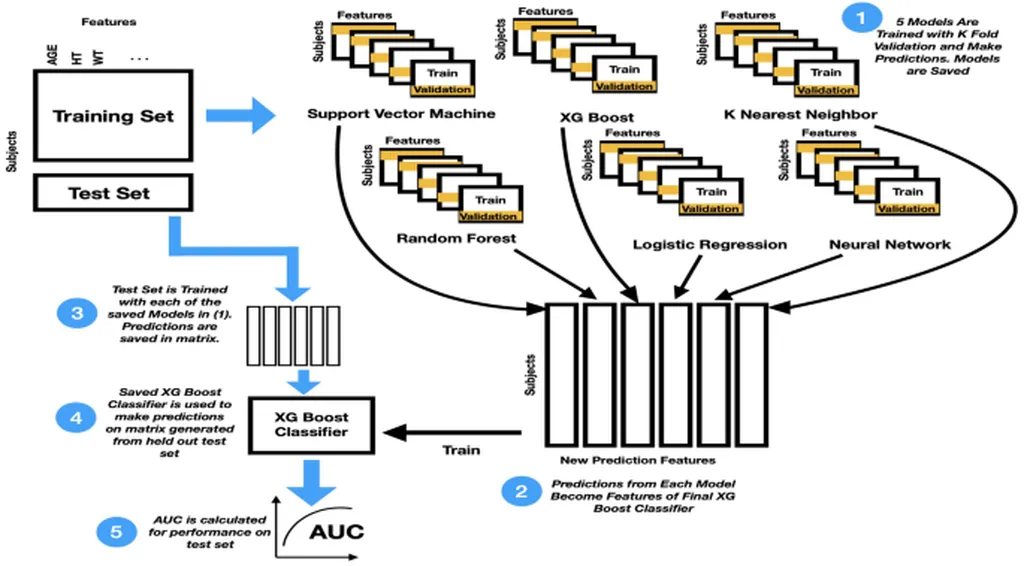
Alam and his team set out to predict and understand the prevalence of BRS in classrooms using a machine-learning approach. They collected data from indoor and outdoor climate measurements, building factors, and student feedback via an online platform across three classrooms over three consecutive school semesters.
The study revealed that machine learning models using measurement data alone performed poorly, with a testing R² of less than 50%. However, when building factors and the prevalence of IEQ complaints were added, the accuracy of predicting BRS soared, reaching an impressive R² of up to 95% with lower root mean square error (RMSE). “This significant improvement highlights the crucial role of occupant-reported complaints in accurately predicting symptom prevalence,” Alam noted.
The SHAP analysis, a method used to interpret machine learning models, identified IEQ complaints related to indoor air quality—such as heavy air, dust and dirt, and dry air—as significant contributors to predicting BRS. “Our findings demonstrate that combining objective measurements with occupant-reported complaints can provide reliable and interpretable predictions of symptom prevalence,” Alam explained.
The implications of this research are far-reaching, particularly for the energy sector. By understanding the factors that contribute to BRS, building managers and energy providers can optimize indoor environments to enhance occupant comfort and health. This, in turn, can lead to improved productivity and well-being, benefiting both educational institutions and the broader community.
While the study is limited by its single-school setting and the absence of health confounders and symptom verification, it paves the way for future research. Alam suggests exploring a wider set of input variables, assessing the applicability of the findings, and investigating variations in complaint preferences.
As the energy sector continues to evolve, the integration of machine learning and occupant feedback offers a powerful tool for creating healthier, more comfortable indoor environments. This research not only advances our understanding of BRS but also underscores the importance of a holistic approach to indoor environment quality.