
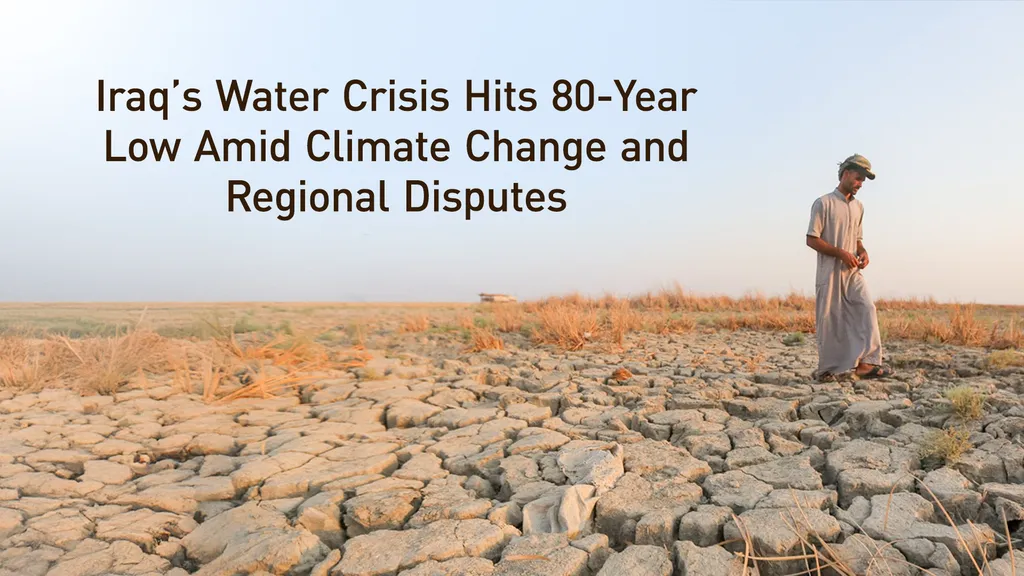
In the heart of Iraq, Wasit Governorate is grappling with a severe water crisis, and new research is shedding light on both the extent of the problem and potential pathways to mitigation. A study led by Ali Hussain, published in the Wasit Journal of Engineering Sciences (translated from the original Arabic title), delves into the complex interplay of climate change, population growth, and water management practices that are straining the region’s water resources.
The Tigris River, which supplies approximately 78% of Wasit’s water, has seen significant reductions in inflow due to upstream dam construction by neighboring countries. This geopolitical factor, combined with internal mismanagement, has created a perfect storm of water scarcity. “The situation is critical,” says Hussain. “Without a balanced water management strategy, the economic and social impacts could be devastating.”
To tackle this challenge, Hussain and his team employed the Water Evaluation And Planning (WEAP) model, coupled with CLIMWAT2 climate data and FAO datasets, to simulate various scenarios. The study considered population growth and climate change, using real monitoring data on weather patterns, consumption rates, and distribution trends to inform their models.
The findings were stark. The reference scenario, which represents the current situation, covered only 9.61% of the demand. However, the study also identified potential solutions. Climate-based irrigation strategies reduced the deficit by up to 53%, and integrated, complementary strategies further mitigated the shortfall.
The implications for the energy sector are significant. Water scarcity can lead to reduced hydropower generation, increased costs for water-intensive energy production, and potential conflicts over shared water resources. “This research underscores the need for a holistic approach to water management,” Hussain explains. “It’s not just about building more infrastructure; it’s about optimizing what we have and planning for a sustainable future.”
The study suggests that resolving Wasit’s water crisis requires both technological solutions and improved administrative practices. This could mean investing in advanced irrigation technologies, implementing stricter water use regulations, and fostering regional cooperation to manage shared water resources more effectively.
As the world grapples with the realities of climate change and population growth, the lessons from Wasit Governorate offer a microcosm of the challenges and opportunities ahead. The research by Hussain and his team serves as a call to action for policymakers, industry leaders, and communities to work together towards a more water-secure future. The Wasit Journal of Engineering Sciences, known for its rigorous peer-review process, has provided a platform for this critical research, highlighting the urgent need for innovative solutions in water management.
In the broader context, this study could shape future developments in the field by emphasizing the importance of integrated water resource management (IWRM) approaches. It also underscores the need for robust data collection and modeling to inform decision-making. As Hussain notes, “The future of water management lies in our ability to adapt and innovate. We must learn from the past and plan for the future.”