
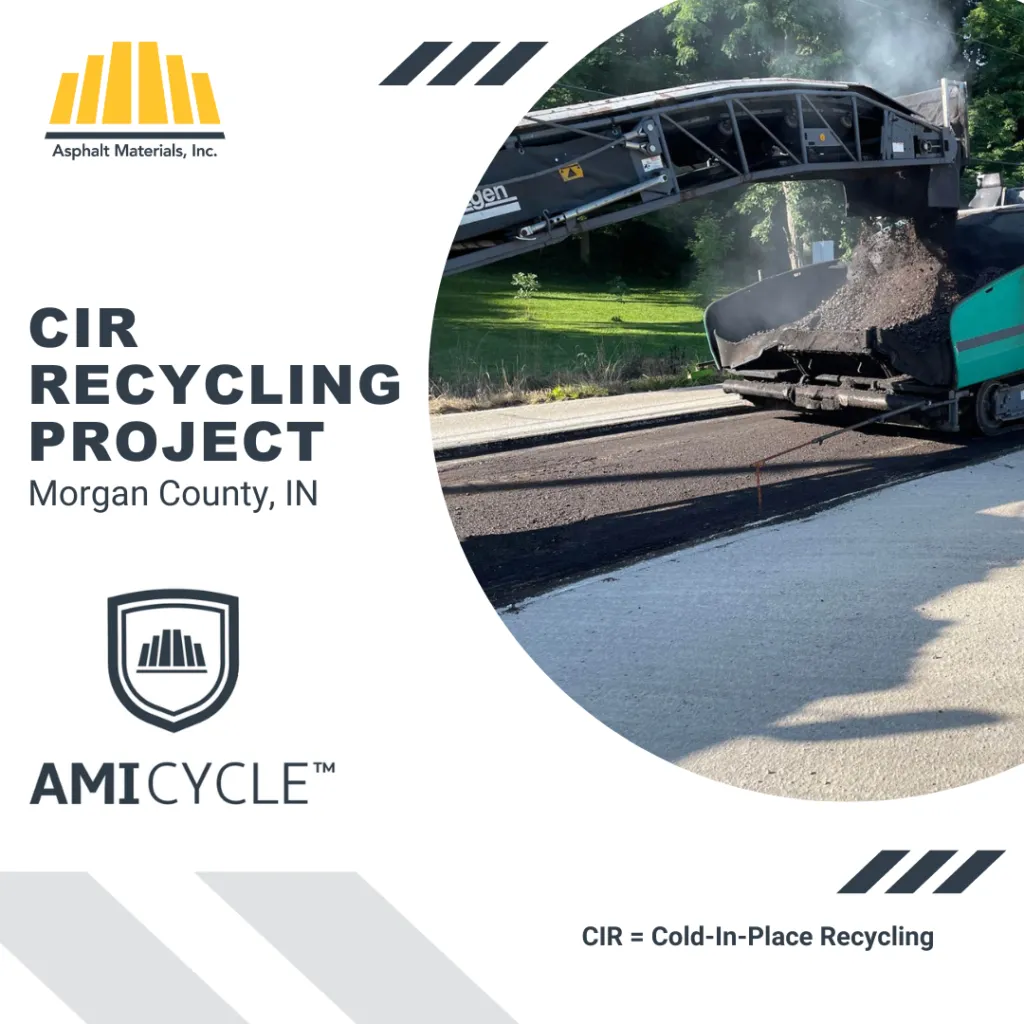
In a significant stride towards sustainable construction practices, researchers from around the globe have joined forces to compare and contrast cold recycling techniques for reclaimed asphalt. This international collaboration, spearheaded by Andrea Grilli from the Università Politecnica delle Marche, aims to bridge the gap between laboratory testing and real-world performance of cold recycled asphalt mixtures. The findings, published in the RILEM Technical Letters (Technical Letters of the International Union of Laboratories and Experts in Construction Materials, Systems and Structures), promise to shape the future of asphalt recycling and its commercial impacts on the energy sector.
Cold recycling, a process that involves reusing reclaimed asphalt (RA) materials, is gaining traction as a sustainable and cost-effective alternative to traditional asphalt production methods. By reusing existing materials, this technique not only reduces the demand for virgin resources but also minimizes waste and lowers energy consumption. The RILEM technical committee on Performance-based Asphalt Recycling (TC 308-PAR) is at the forefront of this movement, with Task Group 1 (TG1) focusing specifically on the performance-based evaluation of cold recycled asphalt mixtures.
The TG1 members, representing Italy, Canada, Poland, Brazil, and the USA, have shared their respective cold recycling procedures, providing a comprehensive overview of current practices. “The information gathered offers a broad framework of the current practices and prospects a widening of future application of cold recycling techniques,” Grilli explained. This comparison, divided into two parts, delves into the constituent materials, mixture composition, and technical requirements, as well as testing procedures and mechanical characteristics.
The first part of the comparison, published in the RILEM Technical Letters, highlights the diverse approaches to cold recycling in different countries. For instance, Italy and Poland have established standard frameworks for RA, while Canada, Brazil, and the USA have developed specific requirements based on their unique environmental and material resources. This diversity underscores the need for a more unified approach to cold recycling, one that can be adapted to various contexts and applications.
The commercial implications of this research are substantial. As the demand for sustainable construction practices grows, so does the need for efficient and effective recycling techniques. Cold recycling offers a promising solution, one that can significantly reduce the environmental footprint of the construction industry. Moreover, by lowering energy consumption and minimizing waste, this technique can lead to substantial cost savings for construction companies and road administrations.
Looking ahead, the findings of this international collaboration are set to shape the future of cold recycling. By providing a comprehensive overview of current practices and identifying areas for improvement, this research paves the way for more standardized and efficient recycling techniques. As Grilli noted, “The comparison among country practices provides a broad framework of the current practices and prospects a widening of future application of cold recycling techniques.”
In conclusion, the work of the RILEM TC 308-PAR TG1 represents a significant step forward in the field of asphalt recycling. By fostering international collaboration and knowledge exchange, this research not only advances our understanding of cold recycling but also highlights its potential to transform the construction industry. As we strive towards a more sustainable future, the insights gained from this study will be invaluable in guiding the development of more efficient and effective recycling techniques.