
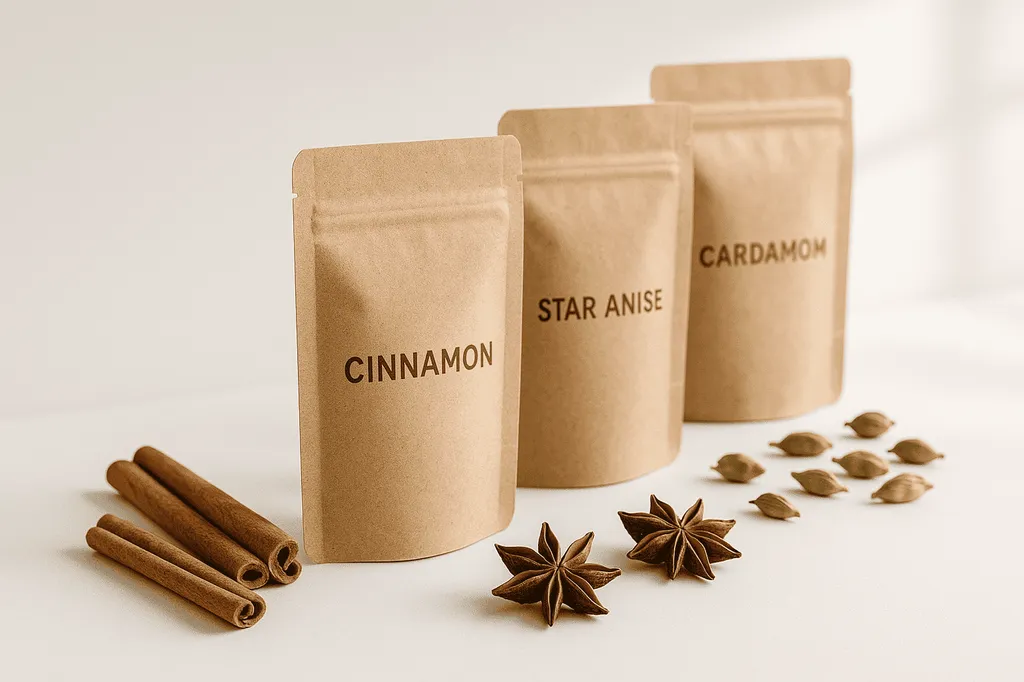
In the quest for sustainable and eco-friendly packaging solutions, researchers have turned to an unlikely ally: cinnamon. A recent study published in the journal *eXPRESS Polymer Letters* (which translates to *Express Polymer Letters* in English) explores the potential of cinnamon as a bio-additive for polymer stabilization, offering promising implications for the energy and packaging sectors.
The research, led by Anna Kosmalska-Olańska, investigates the use of cinnamon powder as an additive in two types of polymers: ethylene-norbornene copolymer (Topas), a cyclic olefin copolymer known for its purity and low gas permeability, and poly(lactic acid) (PLA), a bio-based alternative to petroleum plastics. The study aims to address the growing industry challenges of sustainability, decarbonization, and reducing carbon footprints.
“Our goal was to enhance the properties of biodegradable packaging polymers using a natural, sustainable additive,” says Kosmalska-Olańska. The team prepared samples with varying concentrations of cinnamon powder—0.5, 1.0, and 1.5 wt%—and subjected them to solar and thermo-oxidative aging. The results were promising. The addition of cinnamon increased the hydrophobicity of the polymers, reducing water penetration and enhancing resistance to hydrolytic degradation.
One of the most significant findings was the improved flexibility of PLA, which is typically brittle. “With just 0.5 wt% of cinnamon, PLA showed optimal performance after 100 hours of solar aging, comparable to the Topas composites,” notes Kosmalska-Olańska. This enhanced durability not only extends the shelf life of food products but also acts as a natural color indicator of material aging, providing a visual cue for consumers and manufacturers alike.
The commercial implications of this research are substantial. As the energy sector increasingly focuses on sustainable practices, the development of biodegradable and eco-friendly packaging materials becomes crucial. The use of cinnamon as a bio-additive offers a cost-effective and environmentally friendly solution, aligning with the industry’s decarbonization goals.
Moreover, the study highlights the potential for cinnamon to be used in a variety of applications beyond packaging, including biocompatible polymers and biocomposites. This versatility opens up new avenues for innovation in the energy sector, where sustainable and biodegradable materials are in high demand.
As the world continues to grapple with the challenges of climate change and environmental degradation, research like this offers a glimmer of hope. By harnessing the power of natural additives, we can create materials that are not only functional and durable but also sustainable and eco-friendly. The study published in *eXPRESS Polymer Letters* is a testament to the potential of innovative research in shaping the future of the energy and packaging sectors.