
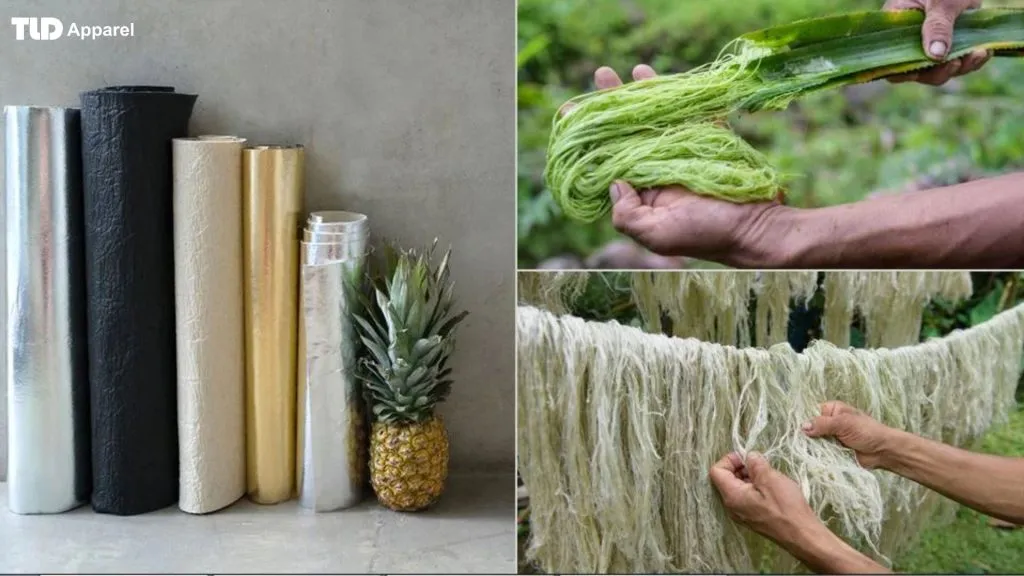
In a significant stride towards sustainable construction materials, researchers have developed a promising biocomposite using pineapple fibers and biodegradable polymers. The study, led by Yashpal Singh, offers a glimpse into the future of eco-friendly building materials, with potential implications for the energy sector.
The research, published in the journal ‘eXPRESS Polymer Letters’ (which translates to ‘Polymer Letters Express’), focuses on the development and characterization of pineapple fiber-based PLA-PBAT biocomposites. Polylactic acid (PLA) and polybutylene adipate-co-terephthalate (PBAT) are two biopolymers that have gained attention for their biodegradability and potential to reduce reliance on petroleum-based materials.
Singh and his team conducted a two-stage analysis. First, they melt-blended PBAT with PLA in varying proportions to create a blend with optimal properties. “We found that the blend with 80% PLA and 20% PBAT exhibited the best mechanical properties,” Singh explains. This blend was then reinforced with pineapple fibers in different weight fractions to create biocomposites.
The results were promising. The PLA-based composites (PF) showed significantly better density, tensile strength, and flexural strength compared to neat polymers, blends, and other composites. Among the PF composites, the one with 70% PLA and 30% pineapple fibers demonstrated the best performance, with maximum tensile and flexural strength values of 73.9±1.3 and 107.1±4.3 MPa, respectively.
The potential commercial impacts of this research are substantial. “The construction industry is increasingly seeking sustainable materials that can reduce its carbon footprint,” Singh notes. “Our findings could pave the way for the development of eco-friendly building materials that are not only sustainable but also strong and durable.”
The energy sector could also benefit from this research. Biocomposites like the one developed by Singh and his team could be used to create energy-efficient buildings that require less energy for heating and cooling. Moreover, the use of natural fibers like pineapple could help reduce waste and promote a circular economy.
The research also highlights the potential of natural fibers as reinforcement materials. “Pineapple fibers are abundant, renewable, and biodegradable,” Singh says. “They offer a sustainable alternative to synthetic fibers, which are often derived from petroleum.”
The study’s findings could shape future developments in the field of sustainable construction materials. As the world grapples with climate change and resource depletion, the need for eco-friendly materials has never been greater. The research led by Singh offers a promising solution, one that could help build a more sustainable future.
In the words of Singh, “This is just the beginning. There’s still much to explore and discover in the field of biocomposites. But the potential is immense, and the possibilities are exciting.”