
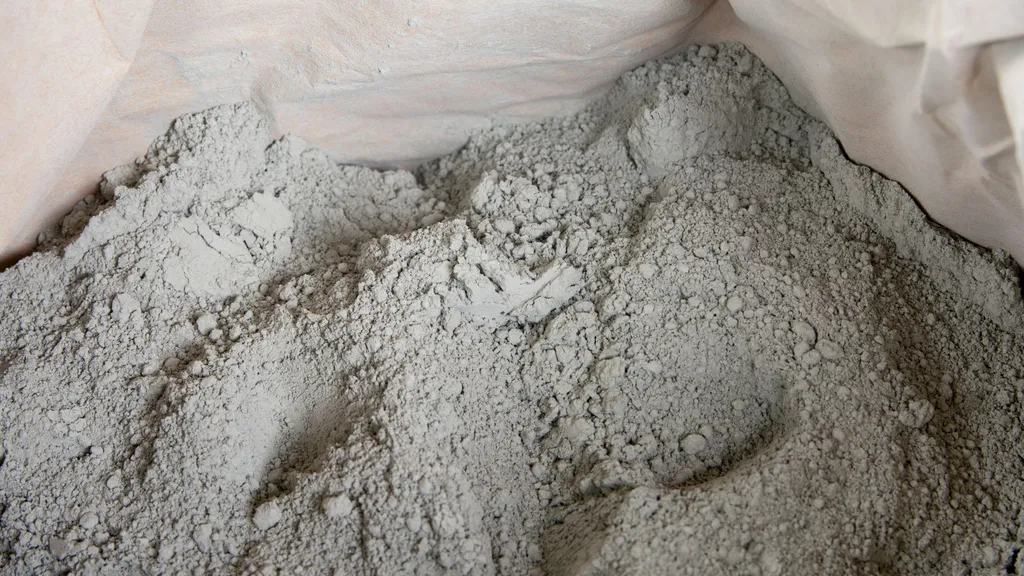
In the quest to build stronger, more sustainable infrastructure, a team of researchers led by Morteza Modarresi from the Department of Civil Engineering has made a significant stride. Their study, published in the journal *Advances in Civil Engineering* (which translates to *Advances in Civil Engineering* in English), explores the combined effects of fly ash and shape memory alloy (SMA) on concrete’s mechanical properties. The findings could reshape how we approach construction, particularly in the energy sector where durability and sustainability are paramount.
Concrete is the backbone of modern construction, but its production is resource-intensive and environmentally taxing. Modarresi and his team aimed to address these issues by investigating the synergistic effects of fly ash, a byproduct of coal combustion, and SMA, a cutting-edge fiber known for its superelastic properties. “We wanted to see if we could enhance concrete’s performance while reducing its environmental footprint,” Modarresi explained.
The researchers conducted a series of tests over 28 days, evaluating compressive strength, splitting tensile strength, flexural strength, secondary compressive strength, and ultrasonic pulse velocity (UPV). The results were promising. Replacing up to 20% of cement with fly ash boosted compressive strength by 7%, splitting tensile strength by 4%, and flexural strength by 2%. Meanwhile, SMA fiber increased compressive strength by 2%, splitting tensile strength by 5.5%, and flexural strength by 8% compared to the control sample.
The real breakthrough came when the team combined both materials. Using 20% fly ash and 0.3% SMA fiber, they achieved a 7% increase in compressive strength, a 6.5% increase in splitting tensile strength, and an impressive 11% increase in flexural strength. The SMA’s superelasticity also significantly improved the concrete’s secondary compressive strength, reducing the decrease to just 16% compared to nearly 30% in samples without the fiber.
These findings have profound implications for the energy sector, where infrastructure often faces harsh conditions. “The enhanced durability and crack resistance offered by SMA can extend the service life of critical infrastructure, reducing long-term maintenance and repair costs,” Modarresi noted. This could be particularly beneficial for energy facilities, where downtime for repairs can be costly and disruptive.
Moreover, the use of fly ash not only improves concrete’s properties but also reduces the need for cement, a major source of carbon emissions. This dual benefit makes the approach economically and environmentally viable. “By using industrial waste like fly ash, we’re not only improving the concrete but also contributing to a circular economy,” Modarresi added.
The study also revealed interesting correlations. The compressive strength of samples containing SMA fiber showed a high correlation with their secondary compressive strength results, while the compressive strength of fly ash samples had a high correlation with the flexural strength results of fly ash-modified samples. These insights could guide future research and practical applications.
As the construction industry continues to evolve, the integration of advanced materials like SMA and sustainable practices like using fly ash will be crucial. Modarresi’s research offers a compelling case for adopting these innovations, paving the way for stronger, more resilient, and environmentally friendly infrastructure. The findings, published in *Advances in Civil Engineering*, provide a solid foundation for further exploration and application in the field.
In a world grappling with climate change and resource depletion, such advancements are not just welcome but essential. They represent a step forward in our collective effort to build a more sustainable future, one concrete mix at a time.