
In the heart of Texas, where the sun blazes and the wind sweeps across the plains, a silent revolution is underway. The state’s power grid, managed by the Electric Reliability Council of Texas (ERCOT), is grappling with the dual challenges of electrifying space heating and adapting to climate change. A recent study, led by Amir Zeighami from the Department of Forestry and Environmental Resources at North Carolina State University, sheds light on how these changes could reshape the value of wind and solar power, with significant implications for the energy sector.
The study, published in the journal *Environmental Research: Energy* (translated to English as “Environmental Research: Energy”), explores how the adoption of heat pumps and rising temperatures could alter the capacity credits of variable renewable energy (VRE) resources like wind and solar. Capacity credits reflect a power plant’s ability to meet peak demand, a critical factor for grid reliability and planning.
Zeighami and his team found that cooler climate scenarios, combined with the widespread adoption of standard-efficiency heat pumps, could lead to more frequent peak load hours during winter nights. “This raises questions about how parallel decarbonization efforts could influence the capacity value of VRE resources and, consequently, the reliability of different decarbonization pathways,” Zeighami noted.
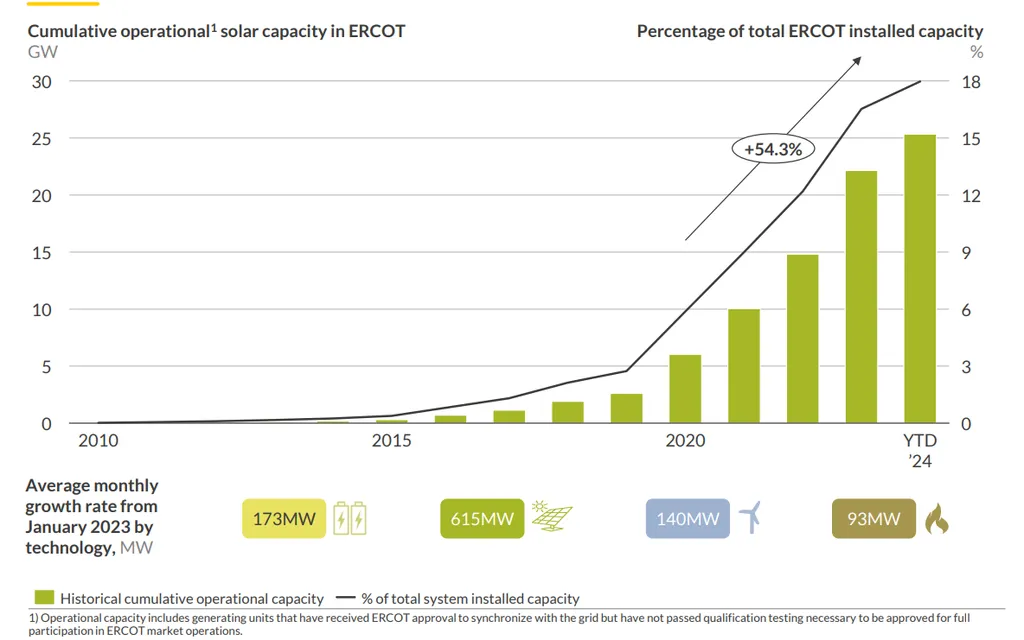
The implications for the energy sector are profound. As more homes switch to heat pumps, the demand for electricity during winter nights could surge, a time when solar power is virtually non-existent. This shift could challenge the conventional wisdom about the value of solar power in Texas, potentially requiring a rethink of grid planning and investment strategies.
Moreover, the study highlights the complex interplay between technology adoption and climate change. “Our findings suggest that the capacity credit of VRE resources is not static but can be significantly influenced by changes in load profiles driven by technology adoption and climate change,” Zeighami explained.
For the energy sector, this research underscores the need for flexible, adaptive planning. As the grid evolves, so too must the strategies for integrating renewable energy. The study’s findings could influence policy decisions, investment strategies, and technological innovations, shaping the future of energy in Texas and beyond.
In the end, the study serves as a reminder that the transition to a low-carbon future is not a straightforward path. It is a complex journey, fraught with challenges and opportunities, requiring careful navigation and innovative solutions. As Zeighami’s research shows, the energy sector must be prepared to adapt, evolve, and innovate in the face of a changing climate and evolving technologies.