
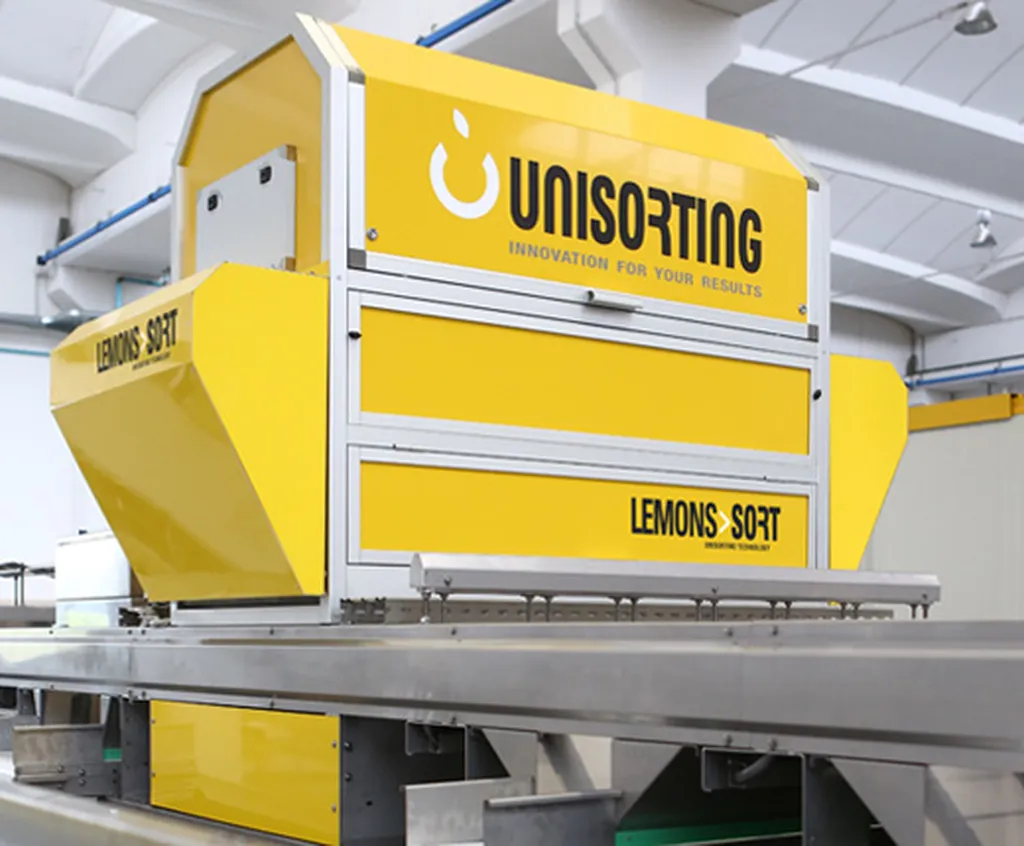
In the heart of Thailand, a quiet revolution is brewing, not in the bustling streets of Bangkok, but in the meticulous labs of Rajamangala University of Technology Lanna (RMUTL), where innovation meets tradition. Chokcharat Rityen, a researcher at RMUTL, has developed a lemon sorting machine that is poised to transform the agricultural sector, with potential ripple effects across the energy industry.
The machine, a marvel of embedded system technology, is designed to sort lemons into three distinct sizes: small, medium, and large. “The machine uses an Arduino microcontroller to manage the sorting process, ensuring accuracy and efficiency,” Rityen explains. The machine’s four sections—lemon slot, sorting, counting, and weighing—work in harmony to deliver impressive results. In tests, the machine achieved an average accuracy of 97.5% for small lemons, 98.5% for medium lemons, and a perfect 100% for large lemons.
The implications of this technology extend far beyond the citrus groves. In the energy sector, the demand for efficient and sustainable practices is growing. Lemon sorting, while seemingly mundane, plays a crucial role in optimizing resources and reducing waste. “Efficient sorting ensures that lemons are used optimally, minimizing waste and maximizing yield,” Rityen notes. This can lead to significant cost savings and a reduced environmental footprint, aligning with the energy sector’s push towards sustainability.
The machine’s ability to count and weigh lemons adds another layer of efficiency. “This functionality allows for better inventory management and quality control,” Rityen says. For farmers and distributors, this means improved productivity and profitability. For the energy sector, it opens doors to innovative applications in bioenergy, where efficient sorting and processing of agricultural products can enhance biofuel production.
The research, published in the RMUTL Engineering Journal (translated from Thai as “Journal of Engineering, Rajamangala University of Technology Lanna”), highlights the potential of embedded systems in revolutionizing agricultural practices. As the world grapples with climate change and resource depletion, such innovations become increasingly vital. Rityen’s work is a testament to the power of technology in driving sustainable development.
The future of lemon sorting machines is bright, with potential advancements in automation and artificial intelligence set to further enhance their capabilities. As Rityen’s research shows, the intersection of technology and agriculture holds immense promise, not just for the farming community, but for industries like energy that rely on efficient resource management. In the quest for a sustainable future, every innovation counts, and Rityen’s lemon sorting machine is a step in the right direction.