
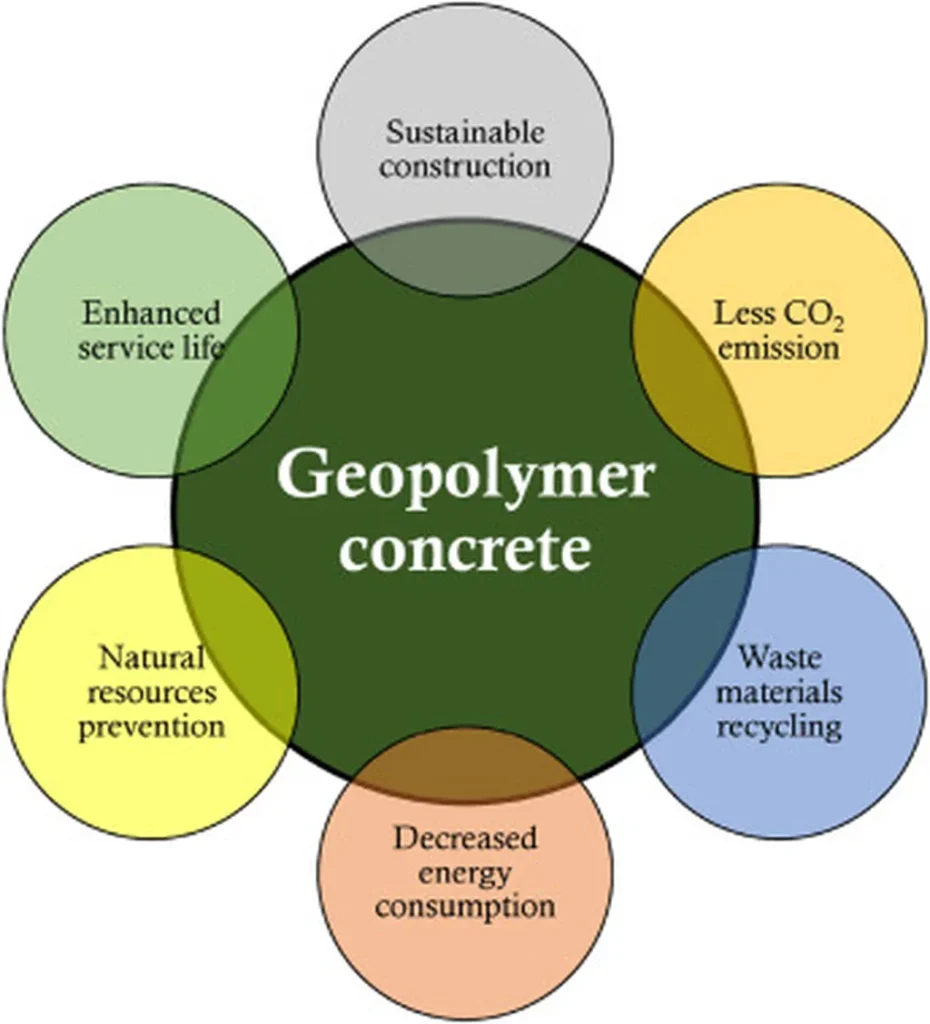
In a groundbreaking study published in the *RMUTL Engineering Journal* (formerly known as Rajamangala University of Technology Lanna Engineering Journal), researchers have uncovered a promising new use for powder coating sludge, a waste product from the powder coating production process. The research, led by Pracha Yeunyongkul, explores the potential of this industrial byproduct in creating geopolymer materials, offering a sustainable solution with significant implications for the construction and energy sectors.
Geopolymers, known for their durability and low thermal conductivity, have long been sought after for their insulating properties. However, the challenge has always been finding cost-effective and eco-friendly raw materials. Enter powder coating sludge, a material often discarded as waste. “We wanted to see if we could turn this waste into something valuable,” said Yeunyongkul, whose affiliation details were not provided. “The results were beyond our expectations.”
The study involved mixing powder coating sludge with Indian kaolin, a type of clay rich in silica and alumina. The team experimented with various ratios and concentrations of sodium hydroxide and sodium silicate solutions to find the optimal mix. The results were impressive: a geopolymer with a compressive strength of up to 4.07 MPa and a thermal conductivity of just 0.0892 W/(m•K). “The high compressive strength and low thermal conductivity make this material ideal for construction and insulation applications,” Yeunyongkul explained.
The implications for the energy sector are substantial. Buildings account for a significant portion of global energy consumption, largely due to heating and cooling demands. Materials with low thermal conductivity can dramatically reduce this energy usage, leading to more efficient and sustainable buildings. “This research opens up new possibilities for using industrial waste in creating high-performance insulation materials,” Yeunyongkul noted.
The study also highlights the potential for reducing waste in the powder coating industry. By repurposing sludge, manufacturers can not only cut disposal costs but also contribute to a circular economy. “It’s a win-win situation,” Yeunyongkul said. “We reduce waste and create a valuable product.”
As the world continues to seek sustainable solutions, this research offers a glimpse into the future of construction and insulation materials. By leveraging industrial waste, we can create high-performance materials that are both eco-friendly and cost-effective. The findings published in the *RMUTL Engineering Journal* pave the way for further exploration and development in this exciting field.