
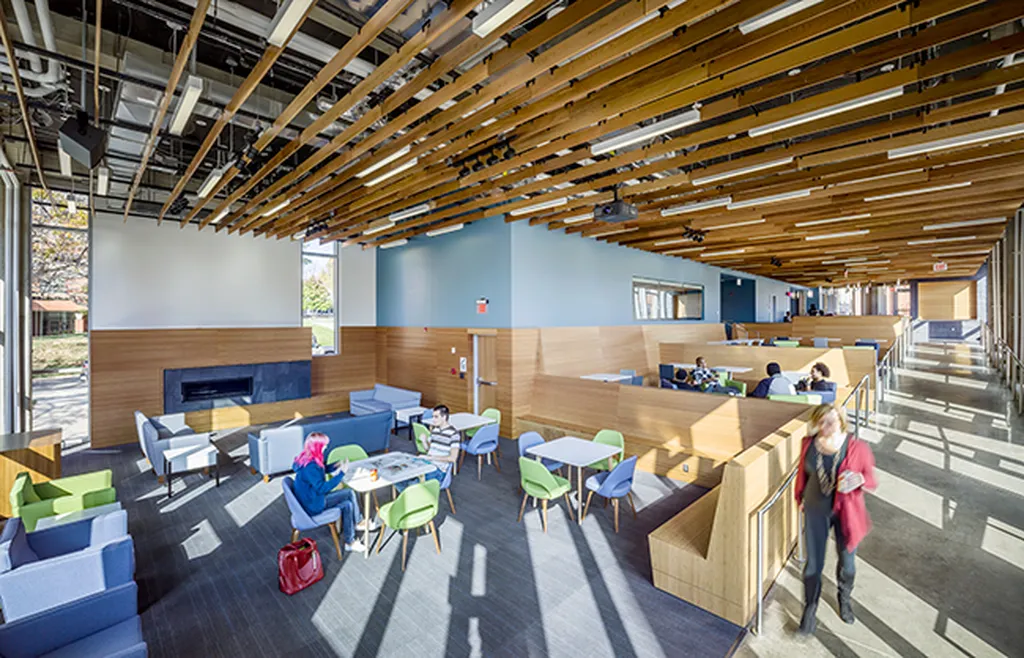
In the realm of architectural design and education, a groundbreaking scoping review published in *Acta Structilia* (which translates to *Acta of Structures*) is shedding light on a often overlooked aspect of school environments: the unique needs of deaf learners. Led by Magdalena Cloete from the University of KwaZulu-Natal in South Africa, the research delves into the concept of ‘DeafSpace,’ a design approach that goes beyond universal design principles to cater specifically to the spatial and communicative needs of deaf and hard-of-hearing individuals.
The study highlights a significant gap in the current architectural landscape, particularly in South Africa, where specialised schools for deaf learners exist but their effectiveness remains underexplored. “When architectural designers overlook these spatial differences, it can hinder the developmental, social, and emotional needs of deaf children, leading to isolation and stigmatisation,” Cloete explains. This underscores the urgent need for a more nuanced understanding of how physical environments can either support or impede the educational experiences of deaf learners.
The review, which employs the Joanna Briggs Institute methodology, identifies 11 studies from six countries, with a notable 72.7% originating from North America. This geographical and cultural bias points to a broader issue: the lack of diverse perspectives in architectural research focused on deaf education. The study discerns three principal architectural paradigms—universal design, inclusive design, and DeafSpace—each reflecting different epistemological positions on accessibility and specificity of deaf experience.
Key spatial parameters such as visual connectivity, lighting quality, and acoustic management emerge as consensus points, but significant implementation gaps persist. “There is an overreliance on technical rather than sociocultural approaches, with minimal participatory engagement of deaf users,” Cloete notes. This highlights the need for more inclusive design processes that involve the deaf community in shaping their own educational environments.
The commercial implications for the energy sector are also noteworthy. As the push for sustainable and energy-efficient buildings grows, integrating DeafSpace principles could lead to innovative solutions that balance accessibility with energy efficiency. For instance, optimising lighting quality and acoustic management in schools for the deaf could simultaneously enhance learning environments and reduce energy consumption, presenting a win-win scenario for both educational institutions and the energy sector.
This research not only identifies urgent priorities for empirical validation and cross-cultural adaptation but also calls for practical frameworks that bridge theory and implementation. As the field of architectural design continues to evolve, the insights from this study could shape future developments, ensuring that the built environment is inclusive and supportive of all learners, regardless of their hearing abilities.
In a world where inclusivity and sustainability are increasingly intertwined, the findings from Cloete’s research serve as a timely reminder of the importance of considering diverse needs in architectural design. As the energy sector seeks to innovate and adapt, the principles of DeafSpace offer a unique opportunity to create environments that are not only accessible but also energy-efficient, paving the way for a more inclusive and sustainable future.