
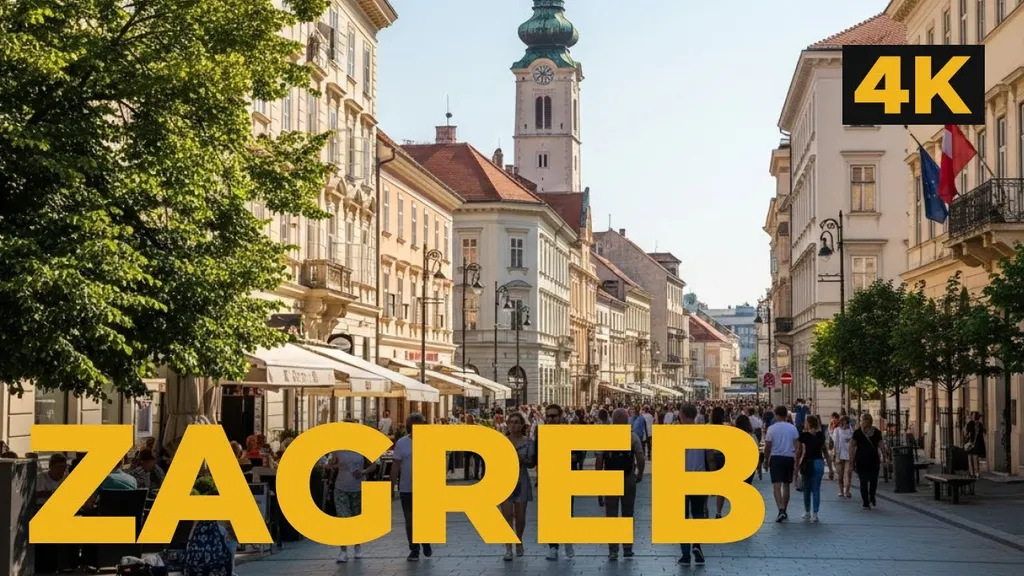
In the heart of Zagreb, a quiet revolution was unfolding between the two world wars, as the city’s iconic Ilica Street transformed into a canvas for architectural innovation. This period, devoid of comprehensive urban planning regulations, became a hotbed for residential construction, according to a recent study published in the ‘e-Zbornik. Elektronički Zbornik Radova Građevinskog Fakulteta’ (Electronic Proceedings of the Faculty of Civil Engineering). The research, led by Vedran Ivanković from the University of Zagreb, Faculty of Architecture, sheds light on the dynamic evolution of Ilica Street, offering insights that could influence future urban development and architectural trends.
The study reveals that the construction boom in Ilica Street, stretching from the Infantry Barracks (later renamed Zrinjski Barracks) to the Črnomerec stream, was marked by a shift from Art Deco and proto-modernist styles in the 1920s to modernism from the early 1930s. “This transition was driven by the absence of a general urban regulation plan, which was only adopted in 1938–1940,” explains Ivanković. “Architects and developers had the freedom to experiment, leading to a rich tapestry of architectural styles.”
The research highlights the commercial implications of this period, noting that while industries like the Zagreb Brewery expanded, the street retained its appeal as a residential area. This duality presented unique opportunities for developers, blending commercial and residential spaces in a way that could inform modern mixed-use projects.
One of the most intriguing findings is the discovery of an unrealized residential building project by Drago Ibler from 1928/1929. “This project, relatively unknown until now, offers a glimpse into the innovative ideas that were circulating at the time,” Ivanković notes. “It serves as a reminder of the creative potential that can be unlocked when urban planning regulations are flexible yet thoughtful.”
The study’s insights could shape future developments in urban planning and architecture, particularly in cities grappling with the balance between preservation and innovation. By understanding the historical context and the impact of regulatory frameworks, urban planners and developers can make informed decisions that foster architectural diversity and sustainability.
As Zagreb continues to evolve, the lessons from its past provide a valuable roadmap for the future. The research by Ivanković not only celebrates the architectural heritage of Ilica Street but also underscores the importance of adaptable urban planning in creating vibrant, resilient cities. For professionals in the construction and energy sectors, this historical perspective offers a unique lens through which to view contemporary challenges and opportunities.