
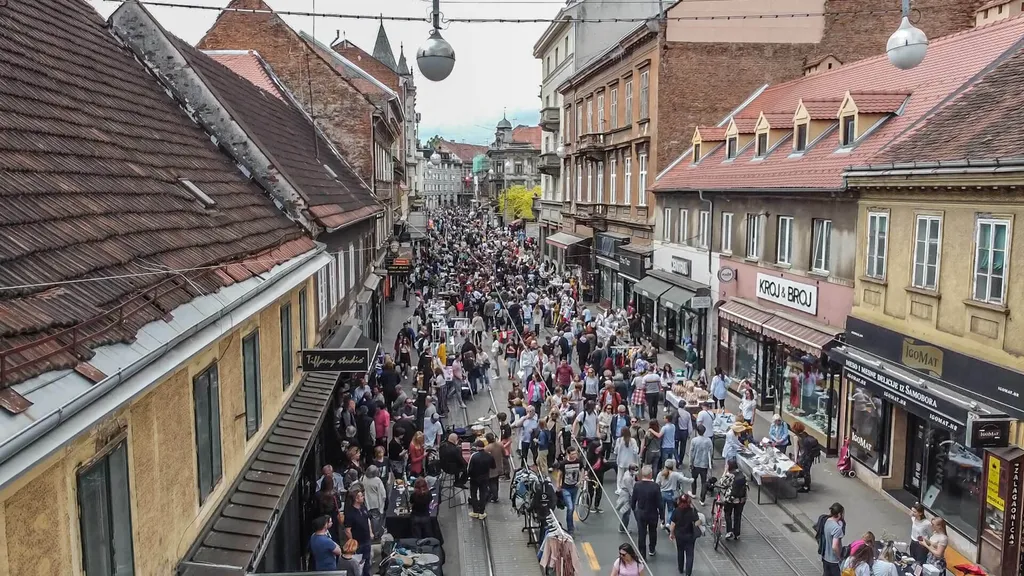
In the heart of Zagreb, a fascinating story of urban development is unfolding, one that offers valuable insights into the city’s architectural evolution and the commercial potential of historic districts. Vedran Ivanković, a researcher from the University of Zagreb’s Faculty of Architecture, has delved into the construction of residential buildings along Ilica Street in the late 19th and early 20th centuries, shedding light on a period of significant growth and architectural innovation.
Ivanković’s research, published in the e-Zbornik. Elektronički Zbornik Radova Građevinskog Fakulteta (Electronic Proceedings of the Faculty of Civil Engineering), focuses on the western part of Ilica Street, an area that transformed from a rural landscape into a bustling urban hub. The catalyst for this change was the 1887 Regulatory Plan, which envisioned the expansion of the Lower Town into 12 new blocks. This plan set the stage for a construction boom that would redefine the cityscape.
“The residential stretch of apartment buildings was built in the following decades,” Ivanković explains, “but the most exclusive buildings and complexes, such as the corner building of Jaroslav Kralik and the residential and business complex of Adolf Müller, were not constructed.” These high-quality buildings, designed in the Historicist and Art Nouveau styles, were the work of prominent construction companies like “Kralik and Associates” and “Bösenbacher & Brkić,” with Hinko Rieszner serving as a key designer.
The implications of this research extend beyond historical interest, offering valuable lessons for modern urban planners and developers. The study highlights the importance of strategic planning and the role of high-quality architecture in shaping a city’s identity. As Zagreb continues to grow and evolve, understanding its past can inform future developments, ensuring that new constructions harmonize with the city’s rich architectural heritage.
Moreover, the research underscores the commercial potential of historic districts. The transformation of Ilica Street demonstrates how strategic investments in architecture and urban planning can enhance a city’s appeal, attracting residents, businesses, and tourists alike. This insight is particularly relevant for the energy sector, which is increasingly focused on sustainable urban development. By integrating energy-efficient technologies into historic buildings, developers can create sustainable urban environments that respect the past while embracing the future.
Ivanković’s work serves as a reminder that the stories of our cities are written in their buildings. By understanding and preserving these stories, we can create urban landscapes that are not only functional and sustainable but also rich in history and character. As Zagreb looks to the future, the lessons of its past will be invaluable in shaping a city that is both modern and timeless.