
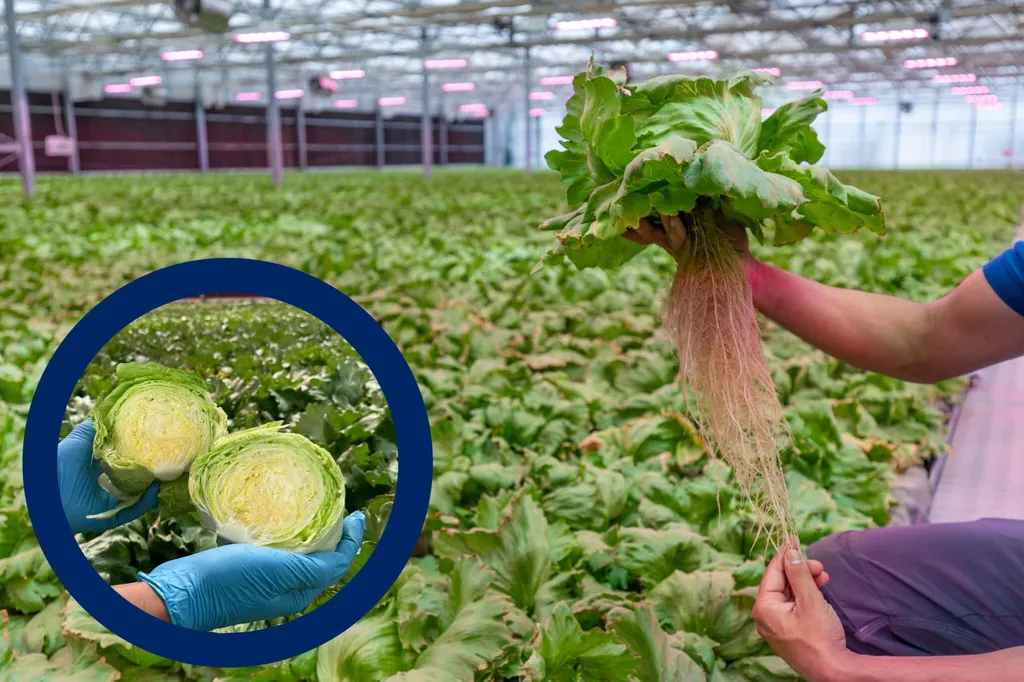
In the heart of Kuwait, a researcher is tackling a global challenge: making artificial intelligence (AI) more sustainable, particularly in the realm of smart agriculture. Ersin Elbasi, from the College of Engineering and Technology at the American University of the Middle East, has published a groundbreaking study in the IEEE Access journal, titled “Green AI for Smart Agriculture: Energy-Efficient Predictive Models for Crop Yield and Resource Management.” This research is not just about improving crop yields; it’s about doing so in a way that’s kinder to our planet.
The problem is clear: as AI and machine learning (ML) technologies become more integral to farming techniques, their energy consumption and carbon emissions are also on the rise. “The increasing computational power required for AI systems has put the planet under strain,” Elbasi explains. His solution? A Green AI framework designed to develop and deploy energy-efficient predictive models for crop yield forecasting and resource management.
So, what does this mean for the energy sector? For starters, it’s a call to action. Elbasi’s research highlights the potential of lighter algorithms, model compression, federated learning, and edge computing to reduce the carbon footprint of AI applications in agriculture. By integrating clean energy ideas, the framework aims to minimize CO2 emissions, making AI a more sustainable tool for the future.
The commercial impacts are significant. As the world grapples with climate change, the demand for sustainable technologies is set to soar. Companies that can offer energy-efficient AI solutions will be well-positioned to capitalize on this growing market. Moreover, the integration of IoT and blockchain, as discussed in the paper, opens up new avenues for innovation and investment.
Elbasi’s work also underscores the importance of policy-driven sustainability standards. As governments around the world set ambitious climate targets, businesses that align with these goals will not only contribute to a healthier planet but also enhance their brand reputation and customer loyalty.
Looking ahead, the research paves the way for the next generation of farming systems—climate-resilient, low-carbon, and efficient. By combining technological efficiency with environmental friendliness, Elbasi’s Green AI framework could revolutionize the way we approach agriculture and energy consumption.
In the words of Elbasi, “When technological efficiency is combined with environmental friendliness, this kind of work is an example of how Green AI could make the next generation of farming systems possible.” It’s a vision that’s not just about feeding the world, but feeding it sustainably. And in the energy sector, that’s a game-changer.
Published in the IEEE Access journal, which translates to the “Institute of Electrical and Electronics Engineers Access,” this research is a beacon of innovation, guiding us towards a future where technology and sustainability go hand in hand. As the world continues to grapple with the challenges of climate change, Elbasi’s work serves as a reminder that the solutions we need are not only possible but already in progress.