
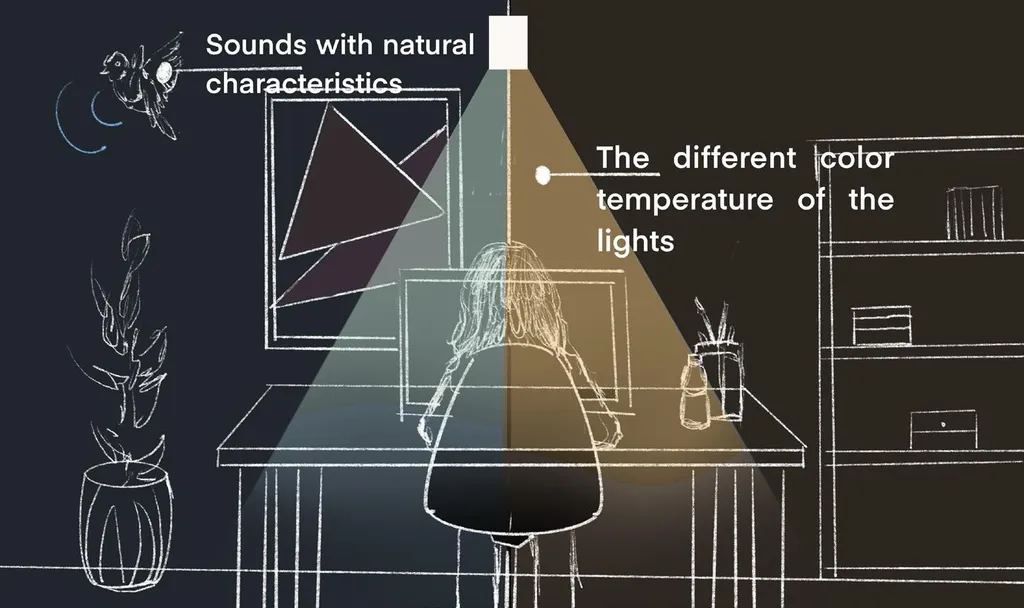
In the ever-evolving world of construction and design, one often overlooked yet critical aspect is the lighting in our educational institutions. A recent literature review published in the journal *Indoor Environments* (translated from Swedish as *Inomhusmiljöer*) has shed light on the methodological transitions in school lighting research over the past four decades, offering valuable insights for the energy sector and beyond.
Stavroula Angelaki, a leading researcher from the Department of Architecture at the KTH Royal Institute of Technology in Stockholm, has meticulously analyzed studies from 1980 to 2020, revealing a significant shift in focus and methodology. “The research landscape has transformed from a daylight-centric approach to a more balanced exploration of both daylight and electric lighting,” Angelaki explains. This transition is not merely academic; it has profound implications for energy efficiency, student well-being, and even learning outcomes.
The review highlights a notable evolution in research methods. Initially, participatory approaches were prevalent, engaging stakeholders such as students, teachers, and administrators in the evaluation process. However, over time, software simulations have gained prominence, leading to a mixed-method approach in the last decade. “This shift reflects the increasing sophistication of our tools and the growing complexity of the questions we’re asking,” Angelaki notes.
The implications for the energy sector are substantial. As schools strive to reduce their carbon footprint and energy consumption, understanding the nuances of lighting design becomes crucial. The review underscores the importance of interdisciplinary collaboration, combining insights from architecture, education, and energy management to create optimal lighting solutions.
Moreover, the study identifies a gap in the design process, particularly in implementing new lighting solutions. This presents a commercial opportunity for companies specializing in energy-efficient lighting technologies. By bridging this gap, they can contribute to more sustainable and effective educational environments.
Angelaki’s research also emphasizes the need for further study on specific lighting characteristics and their impact on learning activities. This opens avenues for innovation in lighting design, with potential benefits for both the education sector and the energy industry.
As we look to the future, the insights from this review can guide policymakers, educators, and industry professionals in making informed decisions about school lighting. By embracing a mixed-method approach and fostering interdisciplinary collaboration, we can create environments that are not only energy-efficient but also conducive to learning and well-being.
In a world where sustainability and efficiency are paramount, this research serves as a beacon, illuminating the path forward for the energy sector and beyond. As Angelaki’s work shows, the humble light bulb is not just a source of illumination but a catalyst for change.