
In the quest to decarbonize our built environment, social housing often finds itself at the crossroads of urgent need and limited resources. A recent study published in the journal *Indoor Environments* (translated from English) by Marianne F. Touchie of the University of Toronto’s Department of Civil & Mineral Engineering and Department of Mechanical & Industrial Engineering, sheds light on a critical issue: the often-overlooked performance gaps in social housing retrofits. These gaps can leave residents exposed to poor indoor air quality, thermal discomfort, and other control issues, even as buildings are upgraded to meet energy efficiency standards.
Touchie’s research introduces the concept of “multi-solving” retrofits, a holistic approach that addresses multiple performance issues simultaneously. This approach is particularly relevant to the energy sector, as it presents an opportunity to align decarbonization goals with improved resident well-being and building resilience.
“By focusing solely on decarbonization, we risk leaving residents in the cold—literally and figuratively,” Touchie explains. “A multi-solving approach allows us to tackle energy efficiency, indoor environmental quality, and resilience to extreme weather events in one fell swoop.”
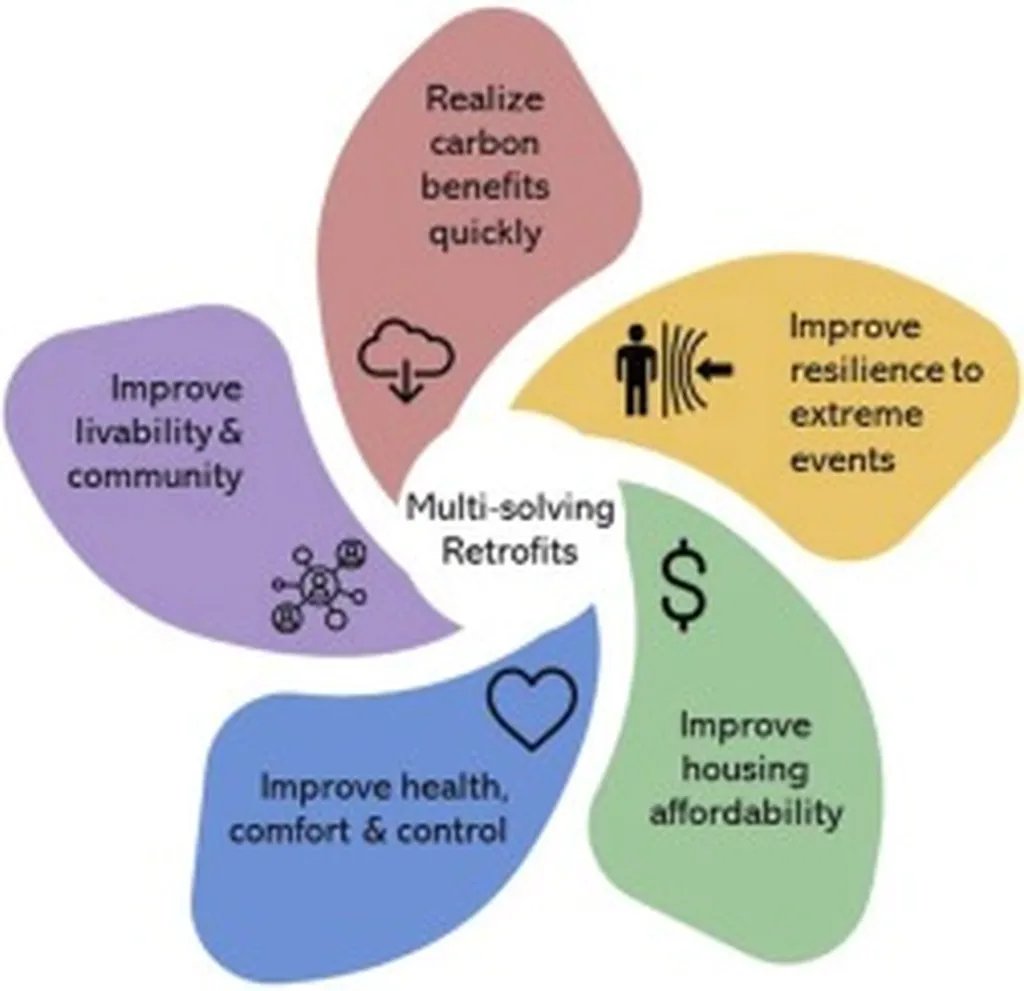
The study highlights several co-benefits of this approach, including reduced life cycle carbon burdens, improved housing affordability, enhanced health and comfort, and increased livability and community engagement. For the energy sector, this means new opportunities to innovate and collaborate with housing providers, policymakers, and residents to deliver more comprehensive retrofit solutions.
One of the key challenges identified in the research is the lack of data on holistic retrofit performance. To drive widespread adoption of resident-centric retrofits, Touchie calls for better data collection, co-benefit valuation, and decision support tools for the building industry.
“Imagine a world where retrofit investments not only cut carbon emissions but also improve residents’ quality of life and prepare buildings for a changing climate,” Touchie envisions. “This is the potential of multi-solving retrofits, and it’s within our reach.”
As the energy sector continues to evolve, Touchie’s research serves as a timely reminder that the path to decarbonization is not a straight line. By embracing a multi-solving approach, energy providers can play a pivotal role in delivering retrofits that benefit both the planet and the people who call these buildings home.
In the coming years, the research community, policymakers, and industry stakeholders will need to collaborate to turn these insights into action. With better data, tools, and policies in place, the vision of resident-centric, multi-solving retrofits can become a reality, reshaping the future of social housing and the energy sector alike.