
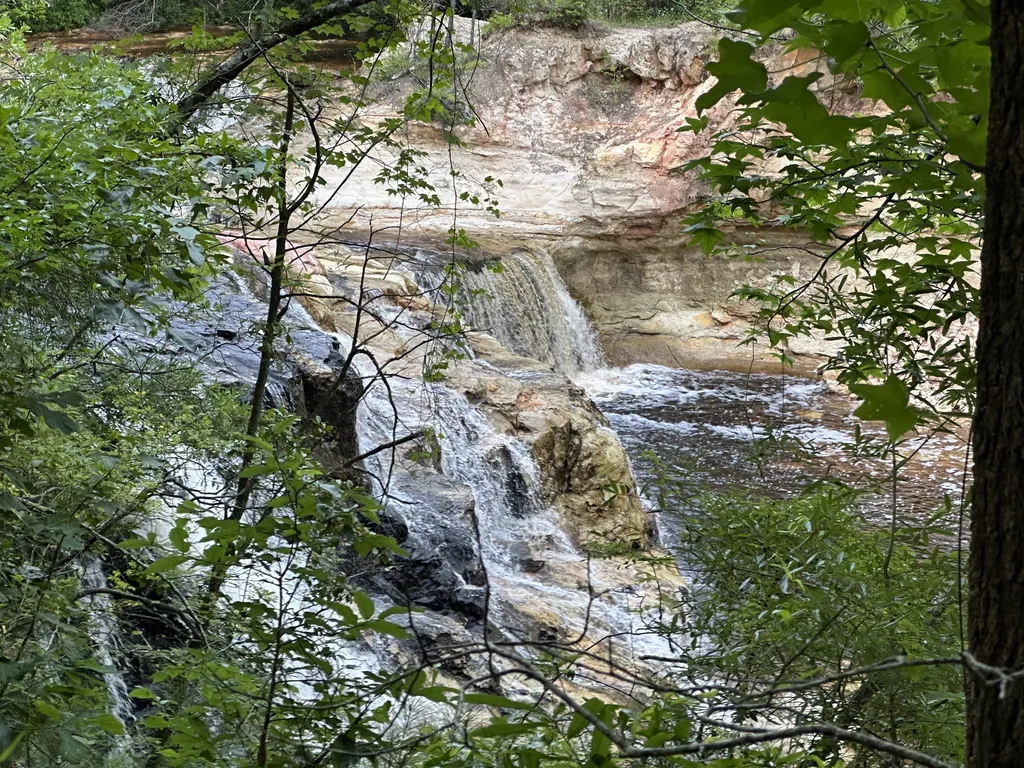
In the rugged landscapes of Hakkari, a natural wonder known as the Ava Ore Waterfall has captured the attention of geologists and conservationists alike. Recent research published in the Van Yüzüncü Yıl Üniversitesi Mühendislik Fakültesi Dergisi (Van Yüzüncü Yıl University Faculty of Engineering Journal) sheds light on the geologic significance of this stunning site, potentially opening new avenues for the energy sector and tourism.
Elif Erdeve Özvan, lead author of the study and affiliated with Van Meslek Yüksekokulu, explains that the waterfall is not just a picturesque landmark but a critical geomorphosite—an area shaped by natural processes that offer valuable insights into the Earth’s evolution. “The waterfall’s unique lithological composition and stratigraphic position, influenced by tectonic elements, make it a special site,” Özvan notes. This geological complexity could have significant implications for understanding regional geology and resource potential.
The study highlights how the waterfall’s formation is a result of river erosion interacting with rocks of varying resistance, guided by tectonic lines. This interplay creates a dynamic landscape that is both scientifically intriguing and potentially economically valuable. For the energy sector, such sites can provide clues about subsurface structures and geological stability, which are crucial for infrastructure development and resource extraction.
Özvan emphasizes the dual importance of the site: “Ava Ore Waterfall is not just a visual marvel; it represents the interaction of fluvial geomorphology, lithological differences, and tectonic control, making it a geological heritage site.” This recognition could drive interest in geotourism, where visitors seek out sites of geological significance, boosting local economies and fostering environmental awareness.
The research also underscores the need for conservation efforts to protect such sites. As geomorphosites, these areas offer a window into Earth’s processes and history, making them invaluable for education and scientific study. “Protecting these sites ensures that future generations can continue to learn from and appreciate these natural wonders,” Özvan adds.
For the energy sector, the findings could influence future exploration and development strategies. Understanding the geological context of areas like Ava Ore can help identify stable regions for infrastructure, reducing risks and optimizing resource extraction. Additionally, the study’s focus on tectonic influences could inform seismic risk assessments, a critical factor in energy project planning.
As the world increasingly turns to renewable energy sources, the need for detailed geological knowledge becomes ever more pressing. Sites like Ava Ore Waterfall offer a natural laboratory for studying Earth’s processes, potentially guiding the development of sustainable energy solutions. The research by Özvan and her team not only highlights the scientific value of this site but also its potential to shape future energy and tourism industries in the region.
In a world where natural landscapes are often undervalued, the study serves as a reminder of the intricate beauty and importance of geologically significant sites. As Özvan’s work gains traction, it could inspire similar studies and conservation efforts worldwide, ensuring that these natural treasures are preserved for both scientific inquiry and public enjoyment.